 |
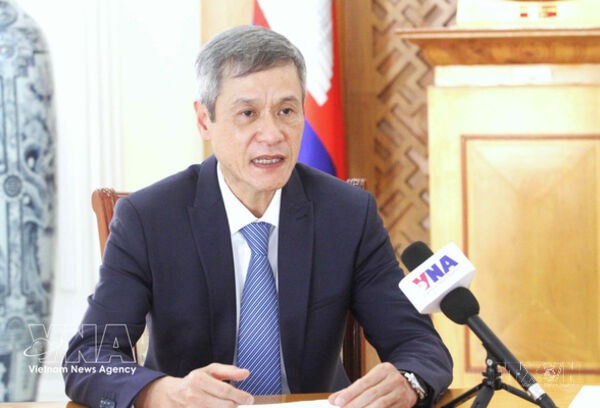
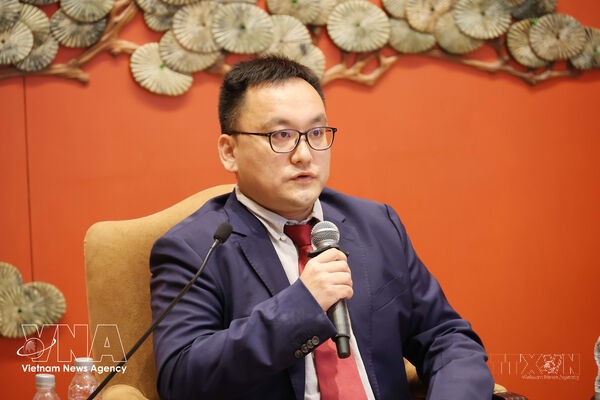
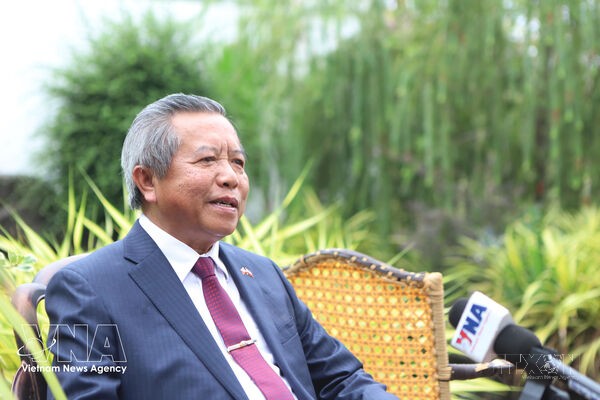
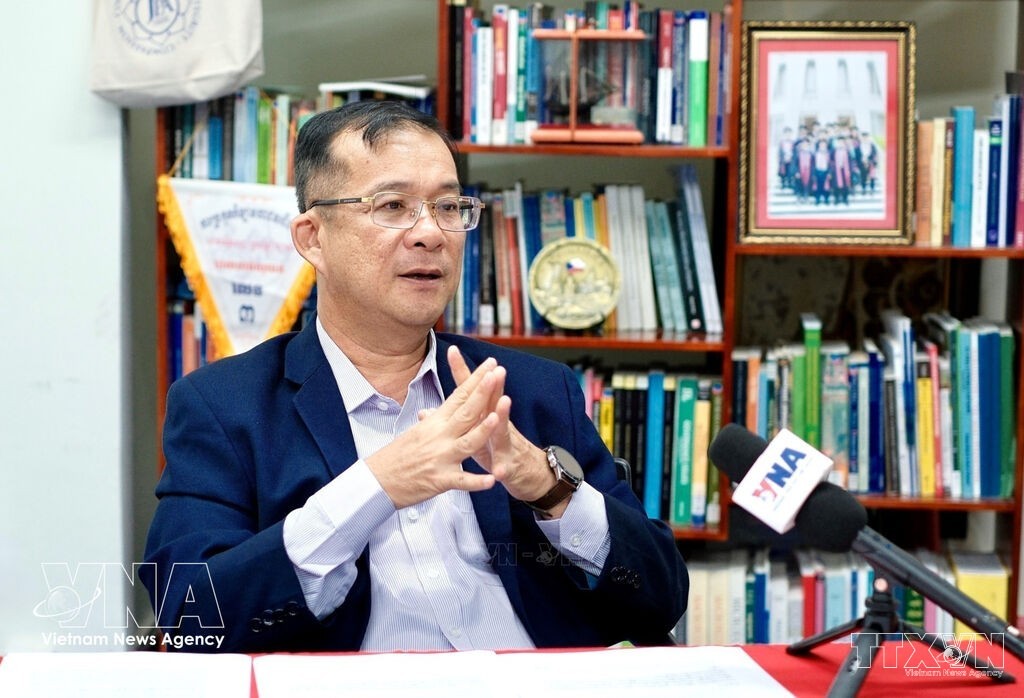
| Assoc. Prof. Dr. Neak Chandarith, Director of the Institute for International Studies and Public Policy at the Royal University of Phnom Penh (Photo: VNA) |
Phnom Penh (VNA) – President of the Cambodian National Assembly (NA) Samdech Maha Rathsapheathika Thipadei Khuon Sudary's official visit to Vietnam from July 27-29 carries profound political and strategic importance, reaffirming the spirit of "good neighbourliness, traditional friendship, comprehensive cooperation, and long-term sustainability" as the solid bedrock of bilateral ties, said a Cambodian scholar.
Talking with Vietnam News Agency correspondents in Phnom Penh, Assoc. Prof. Dr. Neak Chandarith, Director of the Institute for International Studies and Public Policy (IISPP) at the Royal University of Phnom Penh (RUPP), underscored the visit’s profound political and strategic significance for the two Southeast Asian neighbours’ traditional friendship, particularly in further institutionalising ties between their legislative bodies.
According to the IISPP Director, one of the visit's most notable features is the systematic continuity in diplomatic engagement between the two countries. It is Khuon Sudary's second official visit to Vietnam, following her trip in December 2023 when she chose Hanoi as the destination for her first overseas visit upon taking office as President of Cambodia's seventh NA.
Amid today's increasingly volatile global environment, parliamentary diplomacy has evolved from a supporting role into an important instrument of statecraft, he said.
The visit reflects the growing maturity of bilateral ties, with senior legislative leaders maintaining regular exchanges to align macro strategies and sending a clear message to the region that the friendship and solidarity between Cambodia and Vietnam remain steadfast, grounded in mutual respect for each other's sovereignty and a shared vision of regional peace.
From a geopolitical standpoin, the Cambodian scholar observed that in an era marked by an increasingly unpredictable world order and eroding global strategic trust, proactive preventive diplomacy has become more essential than ever.
In relations with neighbouring countries and regional partners, regular high-level exchanges are the most effective mechanism to minimise risks at their source and preempt misunderstandings before they arise, he said.
According to him, maintaining open and effective communication channels between the two legislatures will build strong institutional trust, ensuring that policy changes and other measures are carried out transparently and predictably on the basis of mutual trust and understanding.
Common stances adopted by the two legislatures also promote a rules-based regional architecture, reinforce ASEAN centrality, and prevent Southeast Asia from becoming an arena for competition among major powers.
He concluded that the regular exchange of high-level visits has translated political will into practical institutional mechanisms, keeping Cambodia-Vietnam ties stable, resilient, and sustainable against an uncertain global backdrop./.