 |
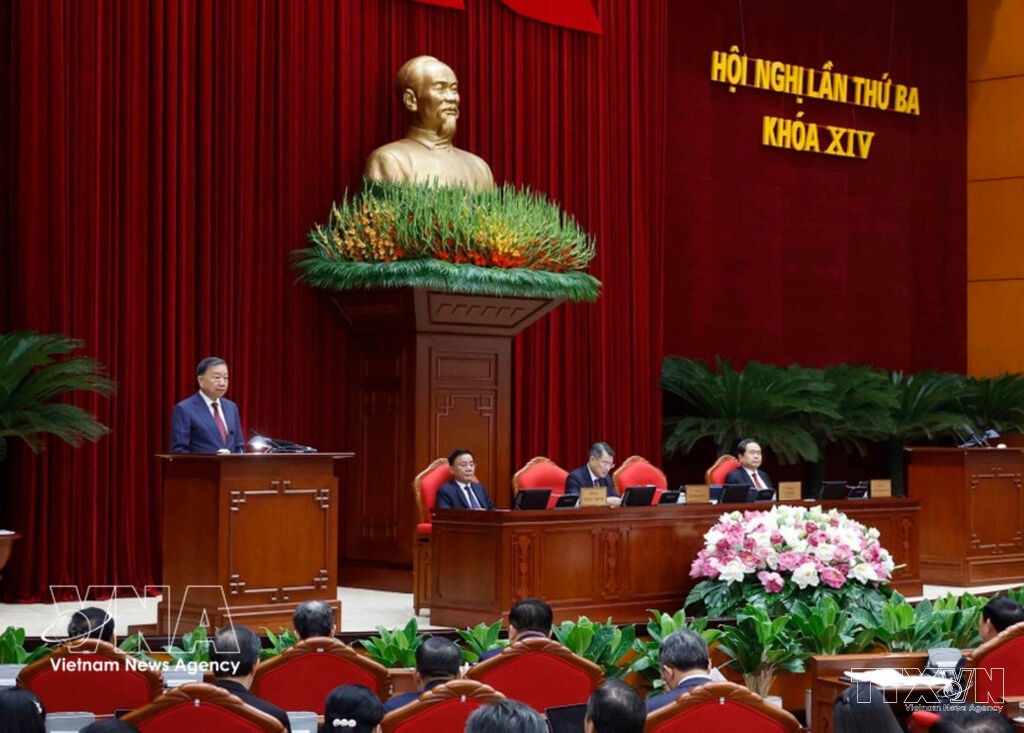
| Party General Secretary and State President To Lam speaks at the 14th Party Central Committee’s 3rd plenum (Photo: VNA) |
Ho Chi Minh City (VNA) – Experts say ensuring data security and translating advances in science, technology, innovation, digital transformation and artificial intelligence into higher productivity and competitiveness, as emphasised by Party General Secretary and State President To Lam at the 14th Party Central Committee’s 3rd plenum, are essential to enhancing Vietnam's self-reliance and national competitiveness.
Ensuring data security
In his opening remarks, the top leader said strategic competition, geopolitical conflicts, global economic fragmentation and shifts in technology, energy and data are reshaping the development environment, while climate change, non-traditional security challenges and artificial intelligence (AI) are creating both opportunities and new risks.
These developments require Vietnam to enhance its strategic autonomy, resilience, adaptability and national capacity for action, he said.
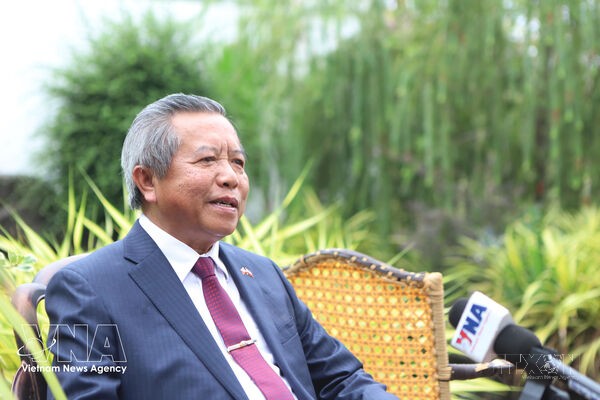
Phan Phuong Tung, Director of the Ho Chi Minh City Digital Transformation Centre (DXCentre), said the Party leader’s emphasis on data security is particularly important, noting that end users represent one of the biggest risks in the current AI application process.
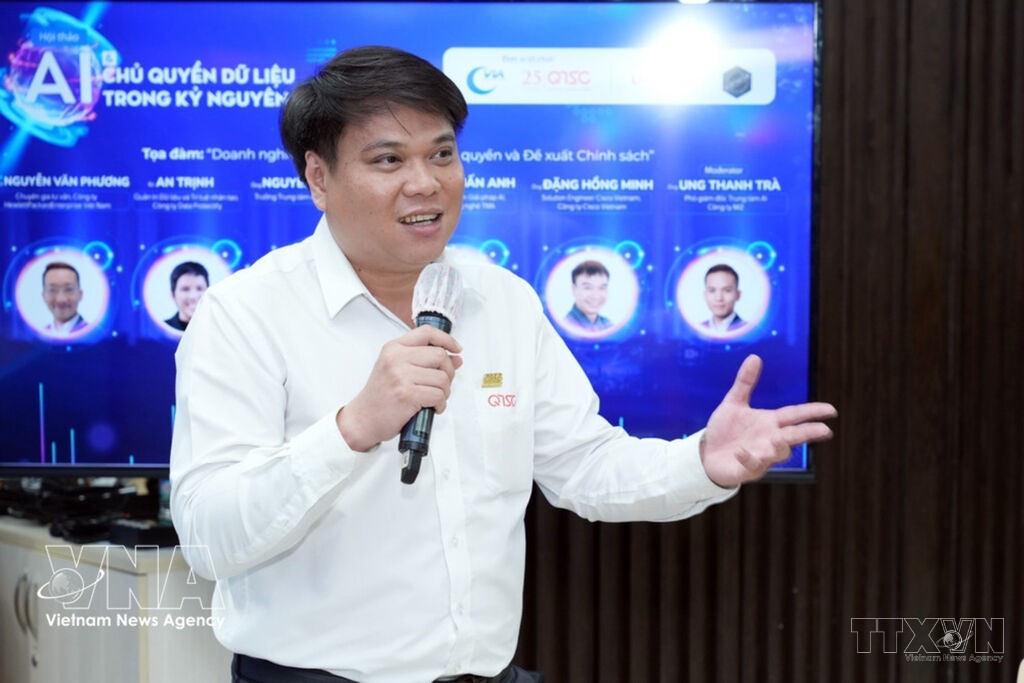 |
| Phan Phuong Tung, Director of the Ho Chi Minh City Digital Transformation Centre (DXCentre) (Photo: VNA) |
Vietnam is using many international AI technologies and platforms to serve citizens, businesses and digital government. While these tools offer significant benefits, they also carry risks of data leakage, Tung said. In businesses, risks may arise not only from technological solutions but also from users, as employees could inadvertently expose data and affect production and business operations.
For digital government, stronger investment is needed in shared digital infrastructure, particularly critical infrastructure, AI infrastructure and high-performance connectivity, Tung said. He also called for closer cooperation among businesses, research institutes and universities to develop large-scale and distinctly Vietnamese databases.
According to Tung, building sovereign data capacity will not only contribute to the development of the digital economy but also lay the foundation for a future data-driven economy, fostering innovation and strengthening competitiveness. He highlighted the need to continuously improve information security awareness and skills among citizens, businesses and public officials.
Increasing value and competition
The Party General Secretary and President said Vietnam must gradually shift from reliance on capital, natural resources, processing and low-cost labour to a development model based on productivity, knowledge, data, technology, innovation, high-quality human resources and modern governance.
Science and technology, innovation, digital transformation and AI must be translated into productivity, quality, added value and competitiveness, he stressed.
Tran Huu Dung, Director of Quang Trung Software City Development Co., Ltd. (QTSC), said the world is entering an era in which the semiconductor industry has become the foundation for AI, high-performance computing, data centres and most strategic industries.
Vietnam therefore has a major opportunity to participate more deeply in global semiconductor value chains, supported by the Party and State’s policies, including Resolution No. 57-NQ/TW and the Government’s Decree No. 354/2025/ND-CP on concentrated digital technology zones.
Ho Chi Minh City is developing and expanding its network of concentrated digital technology zones, with semiconductors identified as a priority sector. The city aims to develop an ecosystem covering R&D, chip design, testing, packaging, semiconductor manufacturing and supporting industries, rather than merely attracting individual projects.
Dung also noted that Ho Chi Minh City recently established a venture capital fund, which can be considered the country’s first innovation-focused model for investing in projects in science and technology, semiconductors and other fields. The fund is expected to help promote innovation and identify startups with new products, solutions and ideas.
He stressed that in the technology era, a country’s competitiveness depends not only on policies and infrastructure but also on its ability to build a strong innovation ecosystem connecting businesses, technology and human resources./.