 |
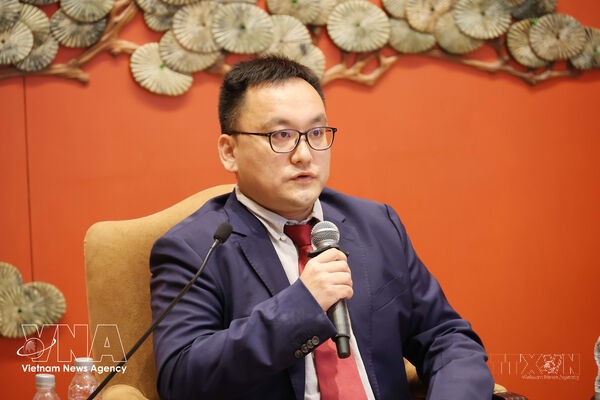
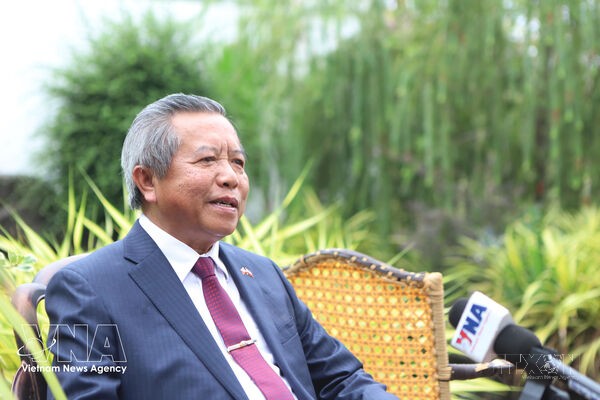
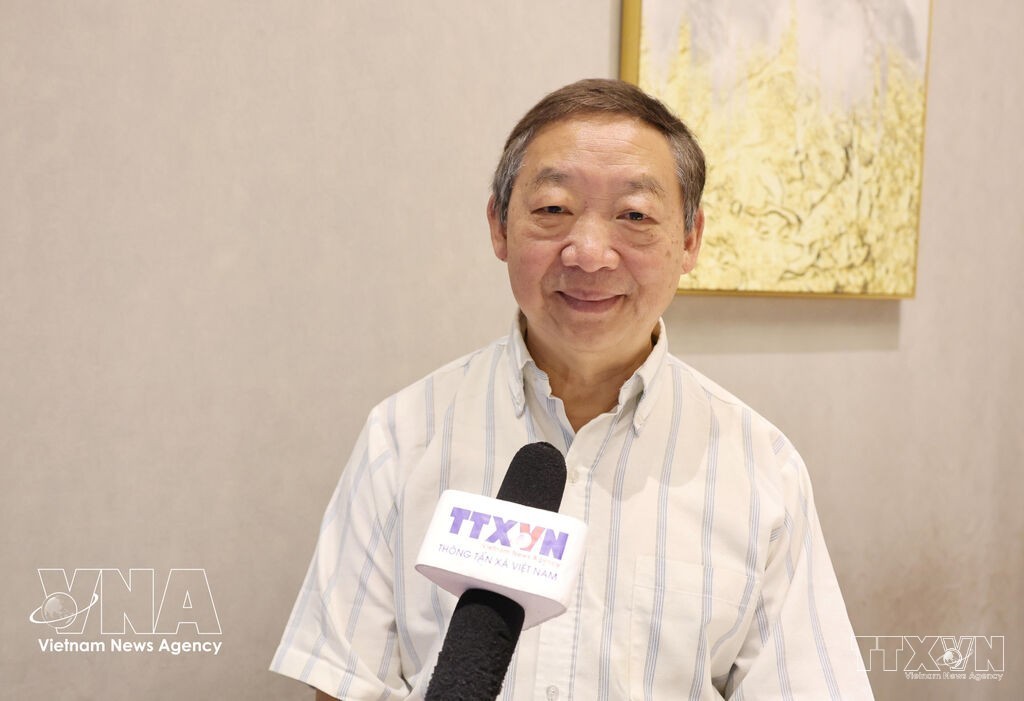
| Professor Zhu Chenming, Honourary Director of the Institute of South and Southeast Asian Studies under the Yunnan Academy of Social Sciences (Photo: VNA) |
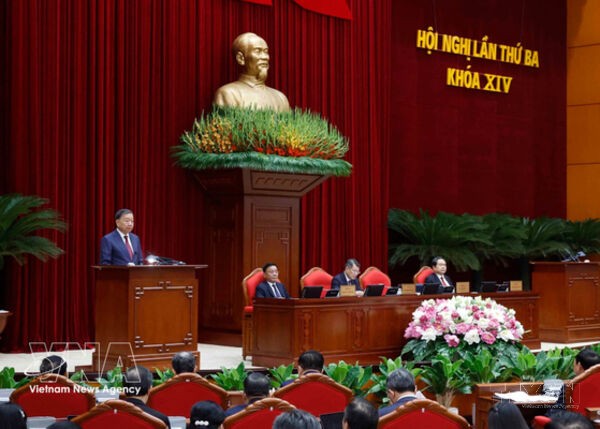
Beijing (VNA) – The four strategic priorities proposed by General Secretary of the Communist Party of Vietnam (CPV) Central Committee and State President To Lam for discussion at the third meeting of the 14th CPV Central Committee mark an important shift in Vietnam’s development agenda, moving beyond institutional restructuring toward enhancing the effectiveness of Party leadership, the political system and national governance, according to a Chinese scholar.
In an interview with Vietnam News Agency (VNA) correspondents in Beijing, Professor Zhu Chenming, Honourary Director of the Institute of South and Southeast Asian Studies under the Yunnan Academy of Social Sciences, said Vietnam’s recent organisational reforms, including the restructuring of state agencies and adjustments to administrative units, have produced encouraging initial results and laid the groundwork for the country’s next stage of development.
However, he stressed that institutional restructuring is only the first step. The greater challenge, he said, lies in ensuring that the new system operates efficiently and effectively.
According to the scholar, the Vietnamese Party and State leader’s decision to outline new strategic directions immediately after the restructuring process reflects a clear understanding of Vietnam’s evolving development needs. Simply completing institutional reorganisation could create the misconception that the reform mission has been accomplished, while significant governance and development challenges remain.
Zhu described the four priorities - enhancing the operational capacity of the Party and political system, ensuring unified and effective governance of national resources, promoting development driven by knowledge and technology, and proactively preventing potential risks - as strategic orientations that clearly define Vietnam’s tasks in the new development phase.
Following the restructuring of organisations and administrative boundaries, he said, Vietnam’s objective should not merely be to maintain the normal functioning of the system, but to improve governance efficiency, make better use of national resources and foster growth through science, technology and innovation.
The Chinese scholar also highlighted the importance of unified governance of national resources at a time when countries face increasingly complex challenges, including development competition, technological transformation and the need to safeguard economic and social security.
He added that prioritising knowledge- and technology-driven development is consistent with global trends, as innovation capacity is becoming an increasingly decisive factor in national competitiveness and the quality of economic growth. Meanwhile, strengthening the ability to anticipate and prevent risks will enhance the resilience of Vietnam’s political system amid growing uncertainties in both the international and domestic environment.
According to Professor Zhu, the four priorities not only address the immediate demands following organisational reform but also reflect Vietnam’s long-term vision of building a more effective governance system capable of supporting the country’s next stage of development./.