Investing in core capabilities key to elevating Vietnam's semiconductor industry: expert
Vietnam's ultimate goal should not simply be to establish a presence in the semiconductor industry, but to gradually master high-value, knowledge-intensive segments of the value chain and become a key link in the global semiconductor supply chain. This would provide a launch pad for strengthening the country's competitiveness in artificial intelligence, electronics and the digital economy.
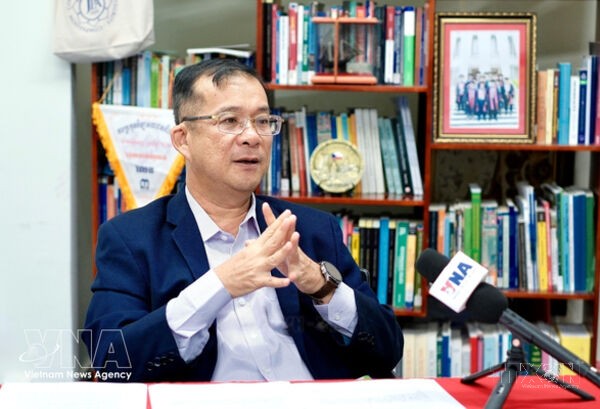
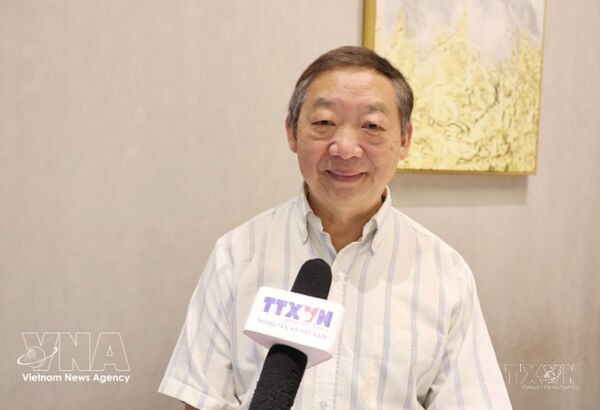
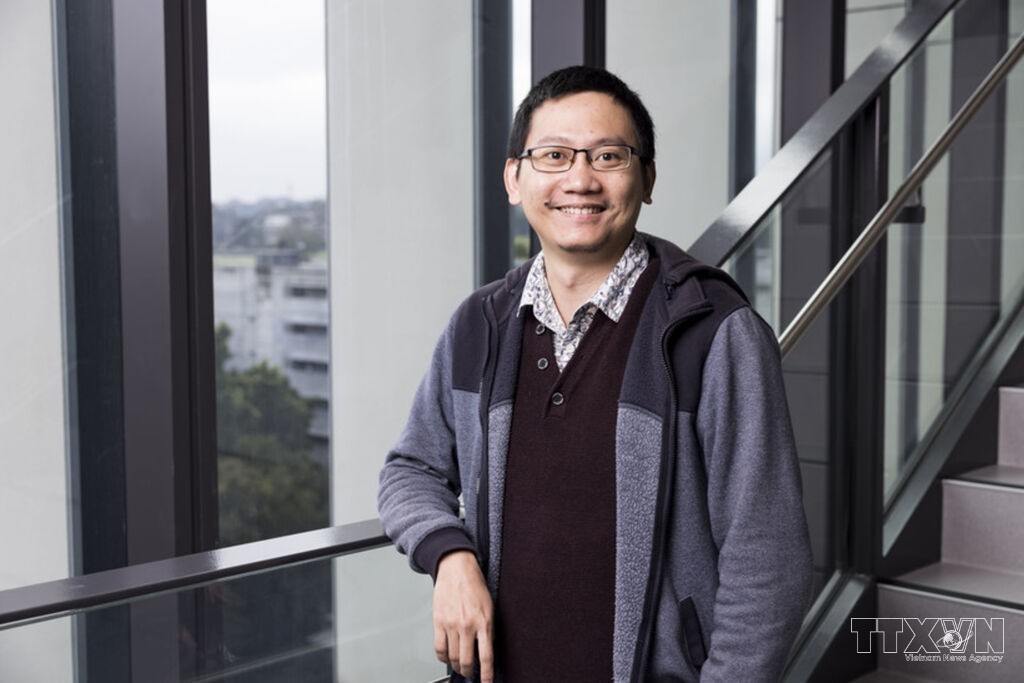
Dr Nguyen Minh Triet, Chair of Academic Council at the Vietnam Australia Innovation Network (NIC AU) and a research engineer at Archer Materials in Australia (Photo published by VNA)

Sydney (VNA) – As global competition in advanced technologies intensifies, Vietnam needs to identify the strategic segments of the semiconductor value chain that it can realistically master, according to Dr Nguyen Minh Triet, Chair of Academic Council at the Vietnam Australia Innovation Network (NIC AU) and a research engineer at Archer Materials in Australia.

Speaking to the Vietnam News Agency, he said that relying solely on imported technologies or participating in low-value manufacturing would make it difficult for Vietnam to move up the global value chain.

Drawing on his research experience in the Republic of Korea (RoK) and Australia, Triet identified three core factors that enable a country to integrate deeply into the semiconductor value chain. The first is a pool of engineers and scientists with hands-on experience in developing such technologies. The second is a modern shared research and fabrication infrastructure that supports universities, research institutes and businesses. The third is the ability to effectively connect research activities with industry needs and market demand.

Against this backdrop, Vietnam needs to adopt a more practical approach to its semiconductor strategy. Rather than focusing on headline indicators such as the number of engineers trained or plants built, the priority should be to identify the strategic stages of the value chain that the country can genuinely develop and control.

On human resources, the expert stressed that the country should develop engineers who have hands-on experience across the entire product development process, from design and fabrication to testing, failure analysis and process optimisation. Such practical expertise, he noted, cannot be replaced by short-term training courses or classroom instruction alone.

He also called for greater investment in shared research and fabrication centres, enabling universities, research institutes and enterprises to access advanced facilities, thereby narrowing the gap between research, production and commercialisation.

Vietnam's ultimate goal, Triet said, should not simply be to establish a presence in the semiconductor industry, but to gradually master high-value, knowledge-intensive segments of the value chain and become a key link in the global semiconductor supply chain. This would provide a launch pad for strengthening the country's competitiveness in artificial intelligence, electronics and the digital economy./.
Related News

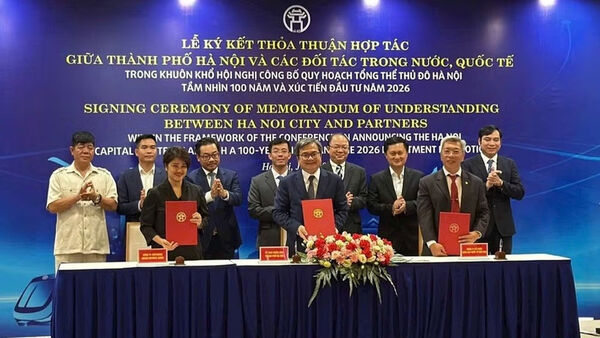
Hanoi unveils 276 investment projects under 100-year development vision

According to the municipal People's Committee, Hanoi's investment attraction strategy is shifting from prioritising capital volume to focusing on investment quality. In the coming period, the city will seek strategic investors capable of driving growth through high-value projects in semiconductors, integrated circuit design, artificial intelligence (AI), big data, biotechnology, new materials, research and development (R&D), innovation centres, modern logistics, green finance, financial technology (fintech), education and training, and specialised healthcare.

Vietnam realises ambition of mastering semiconductor technology

Semiconductors are the backbone of the digital economy and a strategic technology in global competition. To gradually master this field, Vietnam needs not only a highly skilled workforce but also a stronger innovation ecosystem. The launch of the national semiconductor chip prototyping support centre is expected to accelerate the country's drive towards technological self-reliance.

See Also

Vietnam's 31-year ASEAN journey: From newcomer to rule shaper

According to former Deputy Foreign Minister Pham Quang Vinh, Vietnam's 31-year journey has seen it transform from a newcomer into a responsible, proactive and increasingly influential member. Its growing role reflects not only deeper regional economic and foreign integration but also its emergence as a key driver of ASEAN's development, resilience and global standing.

Top Cambodian lawmaker’s Vietnam visit further institutionalises legislative ties: Scholar

Talking with Vietnam News Agency correspondents in Phnom Penh, Assoc. Prof. Dr. Neak Chandarith, Director of the Institute for International Studies and Public Policy (IISPP) at the Royal University of Phnom Penh (RUPP), underscored the visit’s profound political and strategic significance for the two Southeast Asian neighbours’ traditional friendship, particularly in further institutionalising ties between their legislative bodies.

Four strategic priorities signal Vietnam’s next phase of development: Chinese scholar

According to Professor Zhu Chenming, Honourary Director of the Institute of South and Southeast Asian Studies under the Yunnan Academy of Social Sciences, the Vietnamese Party and State leader’s decision to outline new strategic directions immediately after the restructuring process reflects a clear understanding of Vietnam’s evolving development needs. Simply completing institutional reorganisation could create the misconception that the reform mission has been accomplished, while significant governance and development challenges remain.

Vietnam’s garment sector pivots towards value-added growth

Future growth can no longer rely on expanding production capacity alone. Meeting this year's 48 billion USD export target will require greater productivity, higher value addition, stronger domestic sourcing, broader market diversification, and faster digital and green transformation.