 |
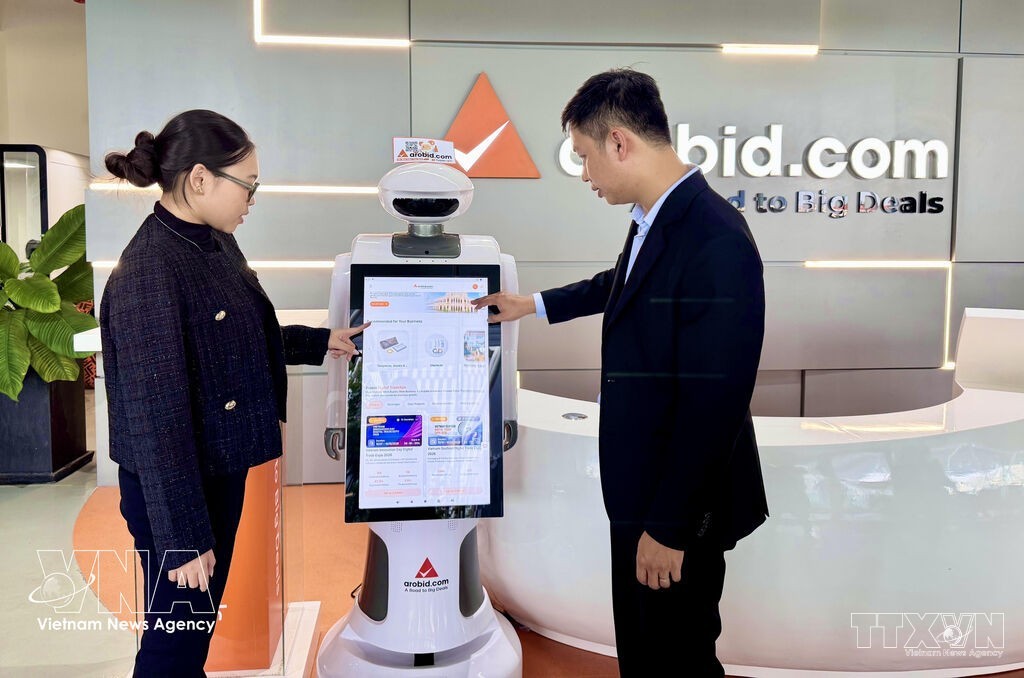
| Digital trade promotion helps businesses cut costs and improve efficiency. (Photo: VNA) |
Ho Chi Minh City (VNA) – Digital technology is helping Vietnamese businesses, particularly small- and medium-sized enterprises (SMEs), reduce the cost of market access and improve connections with buyers, turning data and digital presence into a competitive advantage in expanding markets.
For SMEs and cooperatives, entering new markets requires not only production capacity but also the ability to identify and reach the right partners. While large enterprises can maintain dedicated market teams and regularly attend domestic and international trade fairs, smaller businesses often have to carefully weigh the costs of each trade promotion trip.
Nguyen Thi Van Anh, Chairwoman of the Board of Directors of Tam Nong Viet Nam Cooperative, said that in the past, when customers wanted information about products, the cooperative had to spend considerable time making calls, exchanging information, and providing details, prolonging the process of reaching potential buyers.
Digital platforms have changed this approach, allowing customers to independently access information on products, including growing area codes, production technologies and relevant specifications, before moving on to direct discussions and transactions, she said.
According to Anh, technology has greatly supported the cooperative’s products in reaching international markets. Customers now can simply access the digital platform to find all the information they need, from growing area codes to production technologies and related specifications.
Le Tan Nam, Chairman of the Northwestern Saigon Business Association (WESBA), said trade fairs and exhibitions at home and abroad remained an important way for businesses to connect with markets. However, participation involves personnel, transportation, booth rental and other expenses, creating a significant barrier for businesses.
Using digital platforms to promote products, showcase business capacity and connect with buyers can save considerable time and costs while improving connectivity, he said, stressing that technology is helping narrow the gap between small and large enterprises in accessing markets and seeking opportunities.
The Investment & Trade Promotion Centre of Ho Chi Minh City (ITPC) and Arobid Technology JSC have signed a strategic cooperation agreement to develop the ITPC Digital Trade & Investment Platform (ITPC Platform), a digital trade and investment promotion platform for Ho Chi Minh City.
The platform is designed as an extension of direct trade promotion rather than a replacement for traditional methods. It enables business and product information, buyer demand and emerging interests to be stored, updated and tracked before, during, and after trade events.
It also supports trade and investment promotion, regional connectivity and international cooperation, while helping businesses build a digital presence, introduce products, access market information, find buyers and partners, and pursue business-to-business (B2B) connections, request-for-quotation (RFQ) and other commercial opportunities.
Pham Quang Nhat, Director of ITPC, said businesses need to be connected with the right partners, demands and timing, stressing that digital transformation in trade promotion was not simply about putting existing processes online but reorganising the service journey for businesses and investors around data.
Businesses need to strengthen digital trade promotion and provide “correct, sufficient, clean and live” data, while proactively building their brands and demonstrating product quality and capacity to international markets, Nhat stressed.
Tran Van Chin, Chairman Arobid Technology JSC, said data was the foundation for AI to identify and connect buyers and sellers. Arobid uses AI and big-data analysis to identify export-potential sectors, high-demand markets and major buyers, allowing digital exhibitions to be designed around market demand rather than simply creating online display spaces.
However, businesses themselves must standardise their digital profiles, including information on their operations, products, certifications and strengths, he said.
When data is standardised, transparent and updated, digital platforms can help businesses more effectively reach buyers, investors and international partners. Data thus becomes not merely a promotional tool but part of a business’s competitive capacity.
For SMEs, particularly those unable to regularly attend major trade fairs and exhibitions, digital trade platforms offer another channel to access markets. To make the most of this opportunity, however, businesses must proactively pursue digital transformation, standardise their information and improve their ability to meet market requirements./.