Dong Nai works to ensure workers cast vote on Election Day
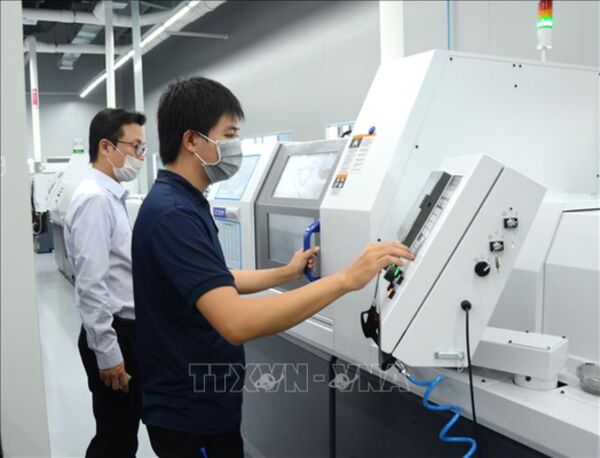
With the utmost regard for citizens’ electoral rights and responsibilities, and in a spirit of creating optimal conditions for workers, especially those employed in industrial parks and non-state enterprises, the provincial leader has requested that no overtime be scheduled during voting hours.
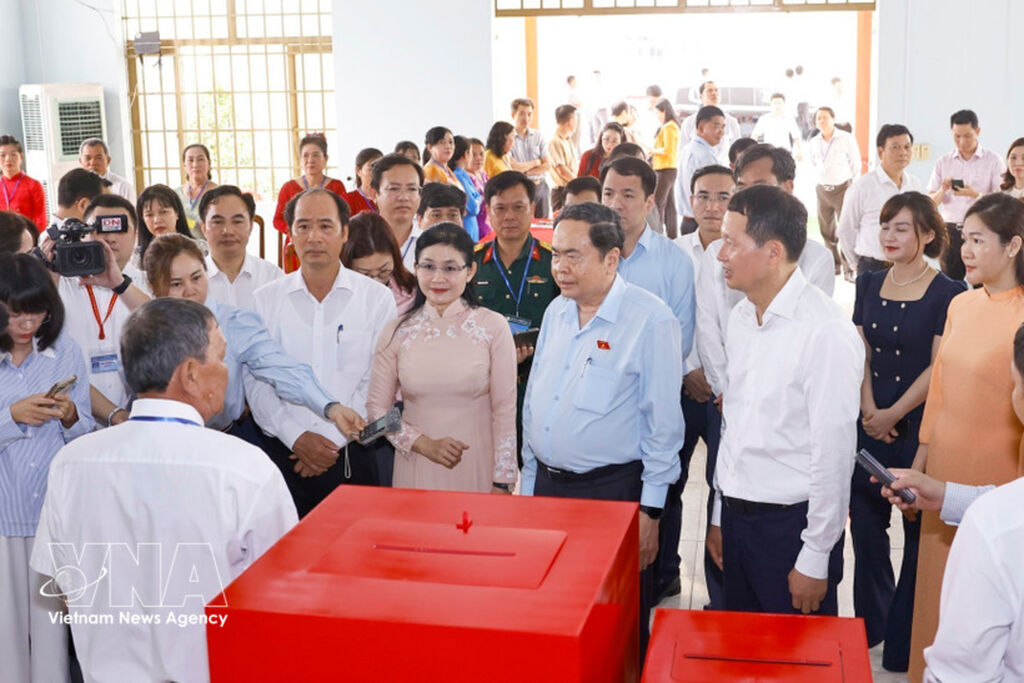
NA Chairman Tran Thanh Man inspects a constituency in Dong Nai province. (Photo: VNA)

Dong Nai (VNA) – Businesses and socio-economic entities across the southern province of Dong Nai have been urged to rearrange production timetables and shifts so that every employee can hit the polls on Election Day (March 15), without missing out on their legal right to vote.

The directive was issued by the Chairperson of the provincial People’s Committee in an official dispatch aimed at ensuring that the workforce may participate fully and freely in the election of deputies to the 16th National Assembly and People’s Councils at all levels for the 2026–2031 tenure.

With the utmost regard for citizens’ electoral rights and responsibilities, and in a spirit of creating optimal conditions for workers, especially those employed in industrial parks and non-state enterprises, the provincial leader has requested that no overtime be scheduled during voting hours. Exceptions may be made only in special circumstances, but must still ensure their right to vote.

Companies are also further encouraged to ramp up internal communications about the significance of this occasion, inform staff of the polling time and locations, and ensure full compliance with wage policies and other legitimate benefits of workers while they’re off doing their civic duty.

The People’s Committees of communes and wards have been assigned to work with local enterprises to compile and publicise voter lists for workers in accordance with legal regulations. Should any infringement upon a citizen’s voting rights come to light, it must be promptly addressed or referred without delay to the competent authorities.

Dong Nai, a large industrial hub in the South, is now home to around 700,000 workers across its factories, industrial parks, and economic zones, with migrant workers making up roughly 42%. It has a population of nearly 4.5 million, including more than 421,000 ethnic minority residents (9.4%). A further 2.5 million profess various faiths, with Catholics numbering roughly 1.4 million.

For the upcoming election, Dong Nai has been allocated six constituencies for NA deputies, 28 for provincial People’s Council deputies, and 651 for People’s Council deputies at the commune and ward levels.

Following the province’s third consultative conference, 30 candidates were confirmed qualified to run for NA seats, 142 for the provincial People’s Council, and 3,724 cleared to pursue office at the commune level./.
See Also

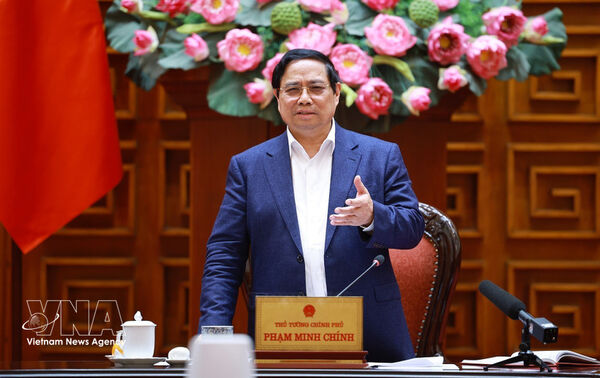
PM orders no energy shortages under any circumstances

Pham Minh Chinh chaired a meeting with ministries, agencies and the national energy security task force to discuss measures to ensure a proactive energy supply for socio-economic development and support double-digit growth targets amid mounting tensions in the Middle East affecting global energy supply chains.

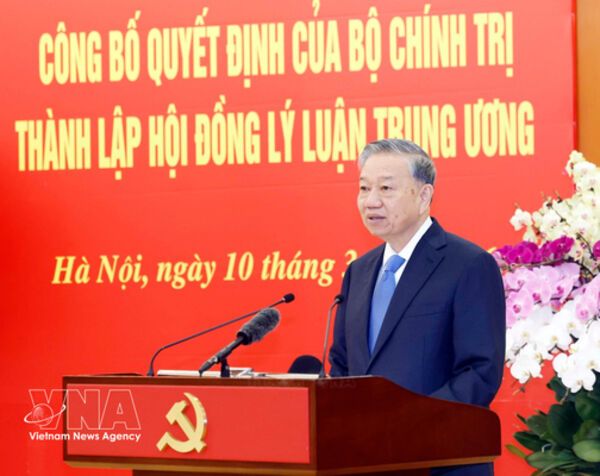
Central Theoretical Council for 2026-2031 term established

The Party chief noted that in recent years the council has made significant contributions to the Party’s theoretical research and development, particularly in clarifying the path toward socialism in Vietnam and contributing to the preparation of major Party documents, including those presented at national Party congresses.

Ho Chi Minh City targets free basic hospital fees for residents by 2030

Under the programme, the southern largest economic hub has set several key health targets to be achieved by 2030. The average height of children and adolescents under 18 is expected to increase by at least 1.5cm, while the average life expectancy of residents is projected to reach around 77 years, including at least 68 years of healthy living.

Major social development targets for 2026-2030

The Resolution of the 14th National Party Congress sets out key economic, social and environmental development goals and targets for the 2026–2030 period. Key social targets include raising the Human Development Index (HDI) to around 0.8; increasing life expectancy at birth to 75.5 years, with healthy life expectancy reaching at least 68 years.

Resolution 68: International lessons for private sector development

A common feature in many successful economies is a fundamental shift in the perception of private enterprises. In countries such as Singapore, Germany, Republic of Korea (RoK) and China, private firms are viewed not mainly as entities requiring strict control but as development partners and key forces generating growth, jobs and innovation.

New resolution to break logjam in social housing market

The Politburo’s Resolution 68, recently issued with sweeping orientations on institutional reform and private sector growth, is drawing attention from experts as a potential game-changer that could finally dismantle the entrenched obstacles stifling Vietnam’s social housing market.