Energy sector seen as key pillar for Vietnam’s green, double-digit growth ambitions
Chairman of the Vietnam National Industry-Energy Group (Petrovietnam) Le Ngoc Son said Vietnam’s energy demand will continue rising sharply, creating enormous pressure on power generation investment. To sustain GDP growth of around 10%, electricity demand is expected to increase by 12-15% annually, requiring an additional 7,000-8,000 MW of new capacity each year.
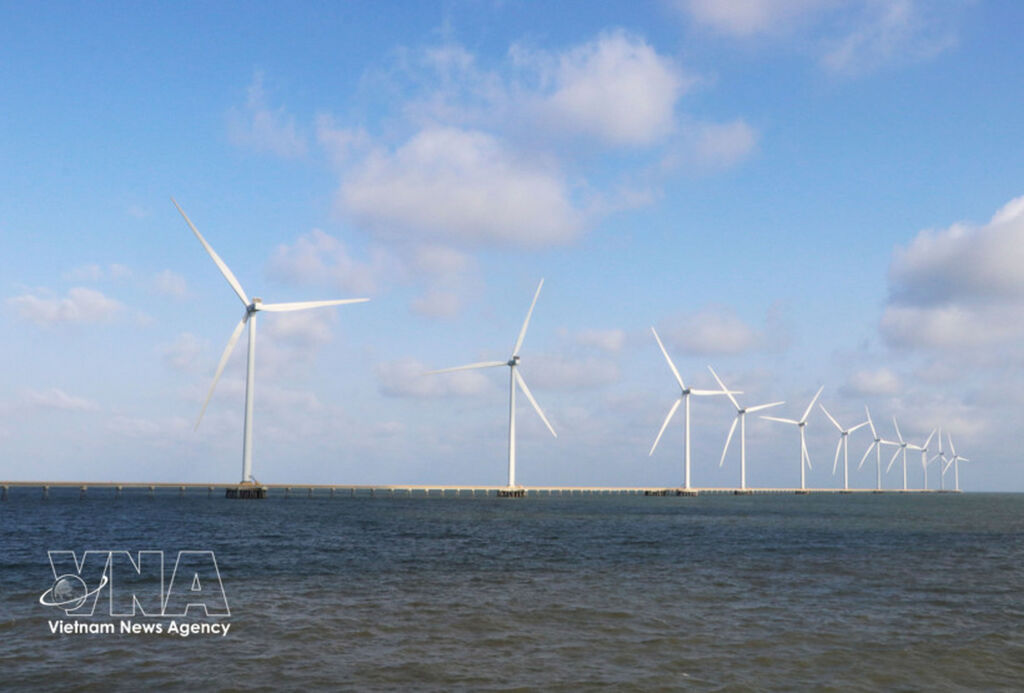
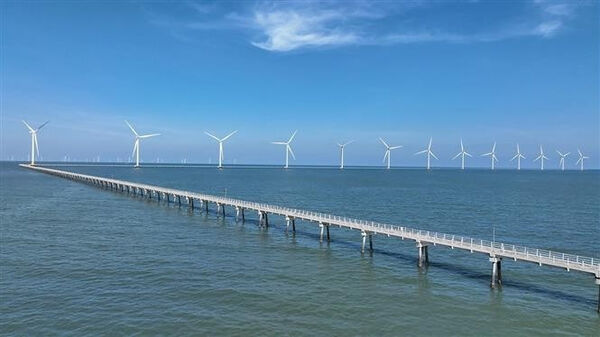
Duyen Hai Wind Power Plant in Truong Long Hoa ward, Vinh Long province. (Photo: VNA)

Hanoi (VNA) – As Vietnam targets double-digit GDP growth in the 2026-2030 period, the energy sector is facing a dual challenge of ensuring energy security while fulfilling the country’s commitment to achieving net-zero emissions by 2050.​

Politburo Resolution No. 70-NQ/TW dated August 20, 2025 on national energy security through 2030, with a vision to 2045, identifies energy security as a critical foundation for national development and an integral part of national security. The resolution stresses that energy development must be prioritised to support sustained economic growth of more than 10% in the coming years.

​Chairman of the Vietnam National Industry-Energy Group (Petrovietnam) Le Ngoc Son said Vietnam’s energy demand will continue rising sharply, creating enormous pressure on power generation investment. To sustain GDP growth of around 10%, electricity demand is expected to increase by 12-15% annually, requiring an additional 7,000-8,000 MW of new capacity each year.​

Dr. Nguyen Dinh Hoa from the Institute of Vietnam and World Economy said total energy consumption would need to increase by at least 8% to sustain double-digit economic growth. However, higher energy consumption would also raise the risk of greenhouse gas emissions.​

To ensure energy development stays ahead of economic demand while reducing emissions, Petrovietnam is focusing investment on LNG-to-power complexes. The Nhon Trach 3 and 4 projects, Vietnam’s first imported LNG-fired power plants, have already come into operation, marking an important step in the country’s energy transition.​

According to Son, LNG power centres should be developed at a scale of 3,000-5,000 MW instead of isolated projects of around 1,500 MW. Such a model could reduce LNG port and storage infrastructure costs by 20-30% and lower plant construction costs by about 10% through standardised designs. LNG facilities could also utilise cold energy generated during regasification to support data centres and improve investment efficiency.

Petrovietnam is also promoting large-scale eco-industrial and energy hubs by leveraging its integrated energy value chain. The group has proposed an eco-industrial energy centre in Vung Ang township in the central province of Ha Tinh, focusing on three pillars: LNG-based energy, industry, and logistics services.

In Can Tho city, Petrovietnam has proposed another eco-industrial energy hub in O Mon ward. Nguyen Van Tu, deputy director of the Vietnam Petroleum Institute, described the model as a strategic solution supporting energy security, food security, and the net-zero target while contributing to the development of Can Tho and the Mekong Delta.

Alongside these initiatives, Petrovietnam is accelerating research into offshore wind power, an area where Vietnam’s potential is estimated at 600-1,000 GW, far exceeding the country’s current total installed power capacity of about 85 GW.

Experts also called for stronger policy support for offshore wind surveys and mandatory regulations on energy efficiency. Dr. Hoang Xuan Quoc from the Vietnam Petroleum Association proposed treating offshore wind as a national resource, allowing State agencies to conduct preliminary surveys before auctioning project sites to investors. Meanwhile, Hoa stressed that compulsory energy-saving measures would be essential for Vietnam to honour its climate commitments while sustaining economic expansion./.
Related News

Businesses step up energy saving and transition efforts

Amid volatile global fuel prices, energy efficiency is emerging as a key solution for businesses to cut costs, enhance competitiveness and contribute to national energy security. In response, enterprises are upgrading technologies and optimizing production processes, making energy saving a core strategy to strengthen their edge.

See Also

Vietnam prioritises 70 high technologies for strategic development

Issued under Decision No. 23/2026/QD-TTg dated May 15, 2026, the list covers a wide range of technologies, including artificial intelligence (AI), big data and data analytics, cloud and edge computing, distributed and high-performance computing, Internet of Things (IoT), blockchain, quantum technology, renewable and clean energy, advanced energy storage, AI-powered real-time disaster forecasting and warning systems, and next-generation microbiology technologies.

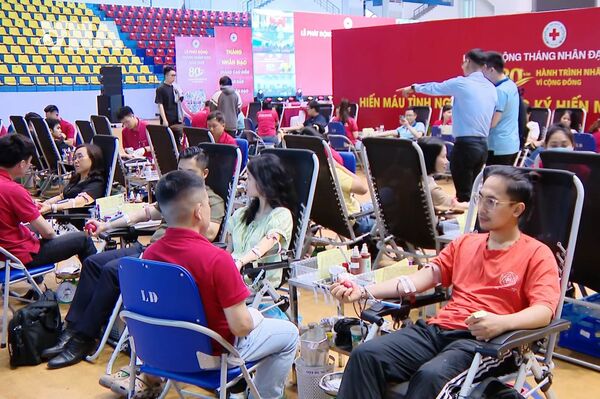
Vietnam Red Cross Society spreads humanistic values for 80 years

Over 80 years, the Vietnam Red Cross Society at all levels have coordinated social strata to assist disadvantaged people and support the even distribution of social welfare. Through their activities, the Vietnam Red Cross Society has fostered a compassionate and civilised society and contributed to strengthening the national unity.

Couple saves 500-year-old Dong Ho painting art from extinction

Born in Bac Ninh province’s Dong Khe residential area half a millennium ago, Dong Ho painting hit its roaring peak in the 1940s, when 17 family clans churned out vividly coloured, all-natural works for spiritual, festive and daily rituals, especially the Lunar New Year

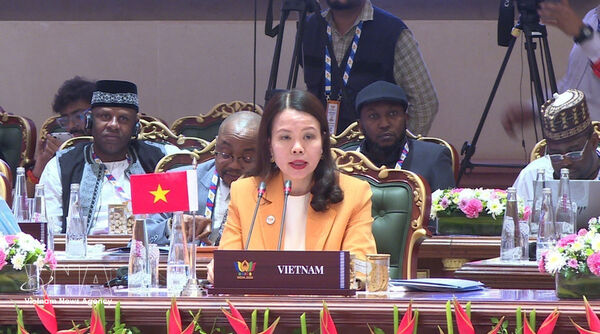
Vietnam ready to strengthen BRICS connection with Asia-Pacific

Hang called on countries to act responsibly in accordance with international law and the UN Charter; respect the independence, sovereignty and territorial integrity of states; refrain from using or threatening to use force; and settle disputes peacefully through dialogue. She also underscored the importance of ensuring security, safety and freedom of navigation through straits in line with international law, including the 1982 United Nations Convention on the Law of the Sea (UNCLOS).

Vietnam’s advertising industry eyes breakthroughs in digital era

Amid the rapid growth of the digital economy and cultural industries, Vietnam’s advertising sector is entering a new phase of transformation. No longer just a communications tool, advertising now connects technology, production, branding and markets. With advances in AI, digital data, LED technology and modern printing, the industry is well positioned for breakthrough growth in the new era.

Forum talks stronger links between foreign, domestic investment

Deputy Prime Minister Nguyen Van Thang has described the foreign-invested sector as a major bright spot in Vietnam’s economy. He made the remark at the 6th Vietnam Connect Forum that took place in Hanoi recently under the theme: “Foreign-invested and domestic private sectors joining forces for sustainable growth in a new era.”