Health insurance covers 94.4 million medical visits in H1
Health insurance covered around 94.4 million patient visits during the January-June period, similar to the same period last year. Inpatient treatment accounted for 10.3% of total cases, slightly higher than in 2025.
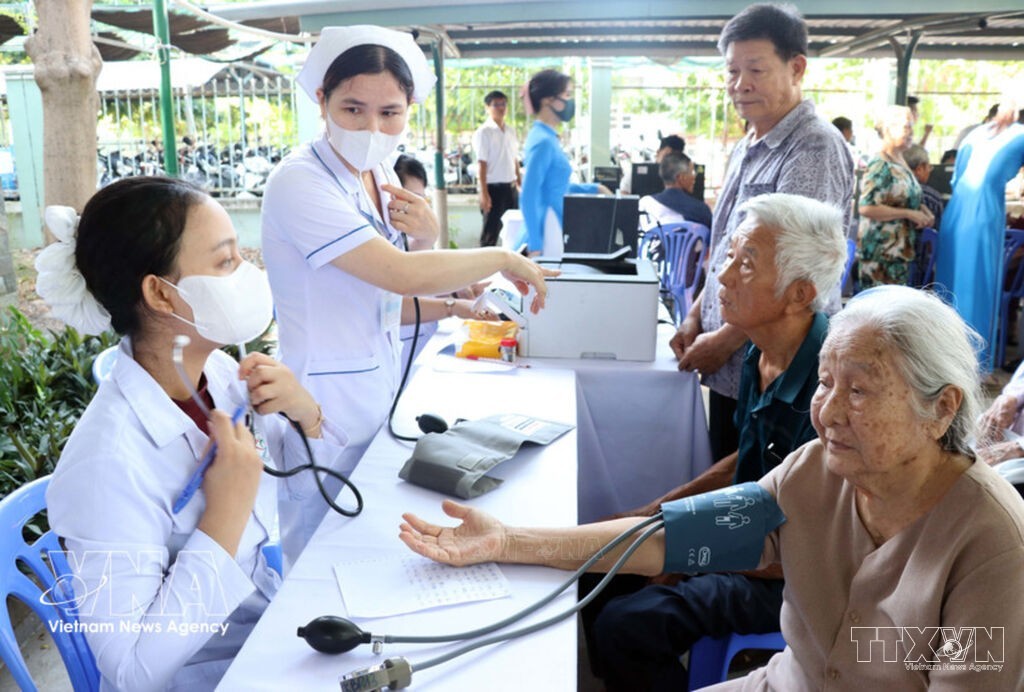
Medical workers from Ninh Thuan General Hospital in Khanh Hoa province provide check-ups for elderly people. (Photo: VNA)

Hanoi (VNA) – Vietnam's health insurance system covered about 94.4 million medical examinations and treatments in the first half of 2026, while efforts to strengthen digital management and cost control helped improve the implementation of the national health insurance policy, according to Vietnam Social Security (VSS).

The figures were announced at a nationwide online conference held by VSS on July 30 to review the implementation of health insurance policies in the first six months of the year and outline measures to control healthcare spending in the remainder of 2026.

According to the agency, by the end of June, 3,672 medical facilities nationwide had signed up to provide health insurance-covered services, including 2,354 public and 1,318 private healthcare establishments, 26 more than in 2025.​

The network comprises 94 specialised hospitals, 1,498 basic-level facilities and 2,080 primary healthcare providers, helping meet the country's growing and increasingly diverse healthcare needs.

Health insurance covered around 94.4 million patient visits during the January-June period, similar to the same period last year. Inpatient treatment accounted for 10.3% of total cases, slightly higher than in 2025.

Total health insurance spending reached 84.77 trillion VND (3.22 billion USD), up 11.1% year-on-year and equivalent to 54.4% of the full-year spending estimate.

Opening the conference, VSS Director Le Hung Son said the agency had implemented a wide range of measures to improve the delivery of health insurance and better protect the interests of participants.

He noted, however, that rising healthcare costs pose growing challenges in the second half of the year, requiring stronger management, higher-quality medical claims assessment and stricter enforcement of regulations.

Son urged local authorities to carefully assess the implementation of health insurance policies, identify shortcomings and adopt practical solutions. He also called for greater use of data analysis to monitor healthcare spending, detect unusual cost patterns at medical facilities and prevent overspending that could affect the balance of the health insurance fund and the rights of insured patients.

VSS said it had worked closely with local authorities to implement new health insurance regulations that took effect this year, while ensuring timely reimbursement for medical services and improving the quality of claims assessment to safeguard participants' legitimate rights.

The agency has also accelerated digital transformation by expanding the use of information technology, data analytics and artificial intelligence in health insurance management. Early warning systems have helped detect unusual spending patterns and curb abuse of the health insurance fund. As a result, the number of provinces and centrally-run cities with health insurance spending exceeding the national average has fallen from 28 to 13.

Despite these achievements, VSS acknowledged several challenges. Average healthcare costs per insured patient increased by 11.7% from a year earlier, with spending rising sharply in several localities, including Hanoi, Ho Chi Minh City, Vinh Long, Ca Mau and Son La.

The conference also identified delays in processing some reimbursement claims, inconsistent cost monitoring and shortcomings in the use of medical services and equipment at some healthcare facilities. Participants stressed the need for stronger financial discipline, more effective supervision and greater accountability to ensure the sustainable operation of Vietnam's health insurance fund while protecting participants' benefits./.​

See Also

Building strong people’s security posture from islands to borderlands of Quang Ngai

The officers and soldiers of the Quang Ngai Provincial Border Guard Command carry out their mission of safeguarding the nation’s sovereignty over its seas, islands, and borders around the clock. Beyond conducting patrols, maintaining security, combating crime, and preventing illegal, unreported and unregulated (IUU) fishing, Border Guard personnel also work closely with fishermen, village elders, reputable community leaders, and ethnic minority communities to strengthen the “people’s security posture.” Their efforts reflect the close bond between the military and the people in safeguarding the nation’s maritime sovereignty and border security. Photo: Kha Pham - VNA

Hanoi brings new life to suburban tourism villages

Hanoi has long been known for the heritage cachet of a thousand-year-old capital. Hoan Kiem Lake, the Old Quarter, the Temple of Literature, the Thang Long Imperial Citadel and a network of craft villages have given the city a singular pull.

An Giang farmers enjoy bumper Summer–Autumn rice harvest and strong prices

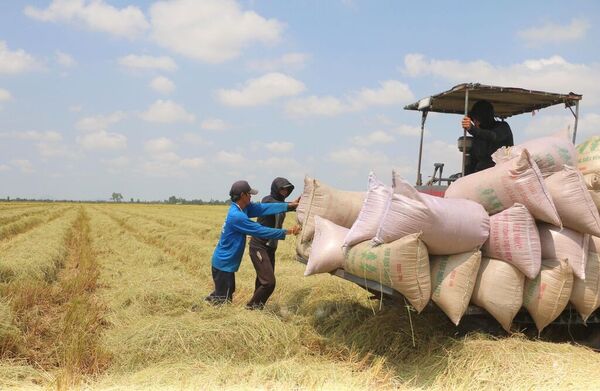
Farmers in An Giang Province are harvesting the 2026 Summer–Autumn rice crop. According to the provincial Department of Agriculture and Environment, approximately 499,496 hectares were planted for the 2026 Summer–Autumn crop. To date, more than 165,119 hectares, or about 33% of the total area, have been harvested, with yields averaging between 6.8 and 7.0 tonnes per hectare. Fresh paddy rice is being purchased directly in the fields at prices ranging from 6,800 to 7,000 VND per kilogram. Photo: Cong Mao – VNA

A Sun Group hotel's bar makes Asia's 50 Best Bars

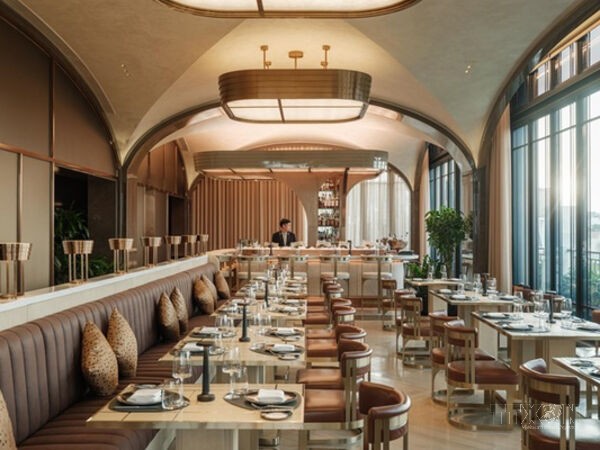
The Hudson Rooms, the rooftop bar perched atop Capella Hanoi, has been ranked No. 46 in Asia's 50 Best Bars 2026. It marks the first time a bar in Hanoi has entered Asia's Top 50, making Vietnam one of the few countries represented in this highly respected ranking. This year, only two Vietnamese bars secured a place in the Top 50.

LED traffic information displays: New convenience on Hanoi's streets

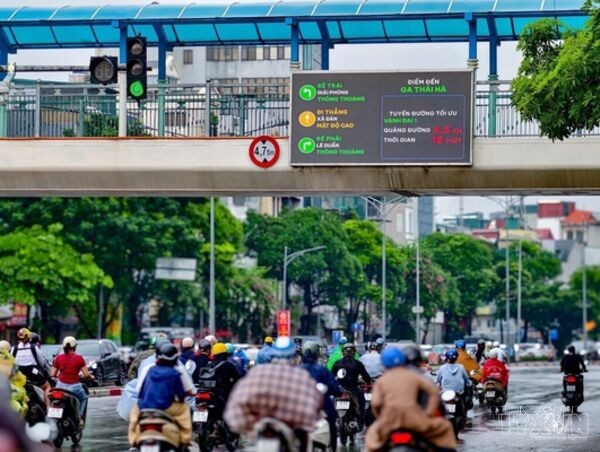
After more than one week of operation, Hanoi's Public Security Department has reported initial positive results from the deployment of 36 LED electronic displays providing real-time traffic information. The system helps road users proactively choose travel routes, supports traffic flow management and eases congestion. Drawing data from the Hanoi Traffic Control Center, the displays provide live updates on traffic conditions, congestion alerts, accidents, weather information and recommended optimal routes. Many residents have praised the system as an intuitive and useful source of information while suggesting that larger text and icons would improve visibility. Photo: Trung Nguyen – VNA

National teleconference disseminates resolutions of 14th Party Central Committee’s third session

The 14th Party Central Committee’s Secretariat convened a national teleconference in Hanoi on July 29 to study, disseminate and implement the resolutions adopted at the committee’s recent third session. Party General Secretary and State President To Lam attended and delivered a keynote address. Also attending the event were Politburo members: Prime Minister Le Minh Hung, National Assembly Chairman Tran Thanh Man, and Permanent member of the Party Central Committee’s Secretariat Tran Cam Tu, along with incumbent and former Party and State leaders. Photo: VNA

Ho Chi Minh City's agricultural sector accelerates toward double-digit growth target

In the first half of 2026, Ho Chi Minh City's agricultural sector maintained steady growth across multiple areas. As it enters an acceleration phase to achieve its double-digit growth target for 2026, alongside supportive municipal policies, agricultural enterprises and cooperatives are proactively restructuring production, applying advanced technologies, expanding markets and enhancing value addition to create stronger growth momentum in the remaining months of the year. Photo: Huong Giang – VNA