 |
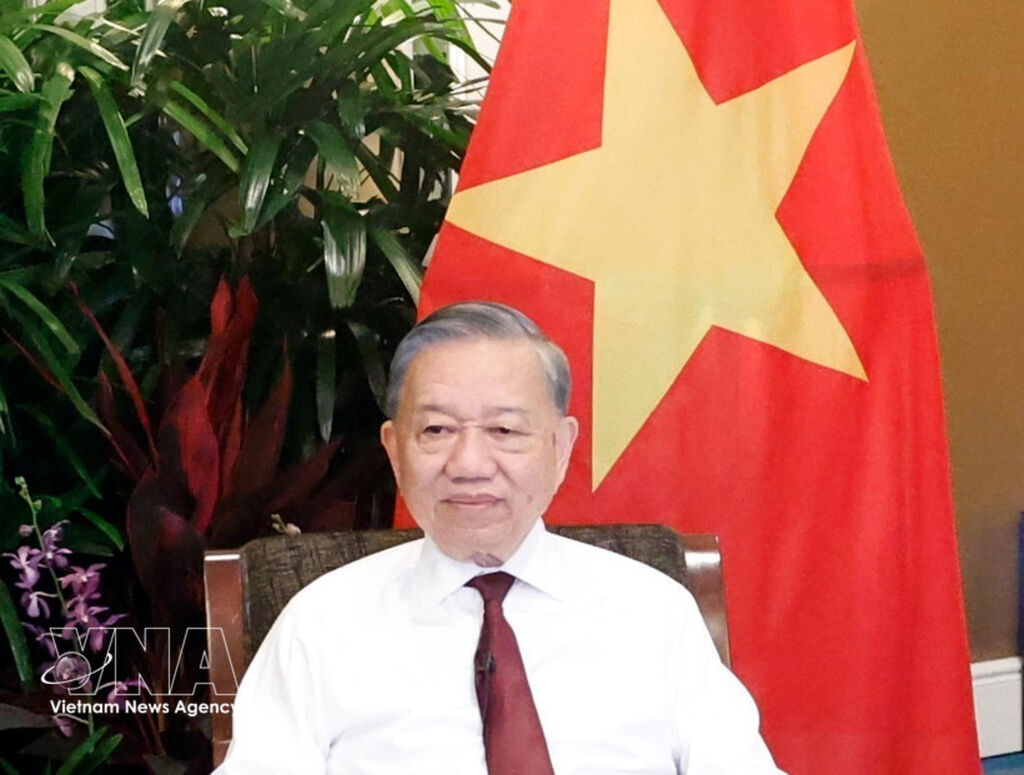
| Party General Secretary and State President To Lam gives an interview to Reuters on the sidelines of the 23rd Shangri-La Dialogue. (Photo: VNA) |
Jakarta (VNA) – Indonesian news outlet Indonesiawindow on June 5 highlighted Vietnam’s ability to harmoniously balance national interests with regional responsibilities, describing the country as a proactive and constructive contributor to ASEAN’s development and regional stability.
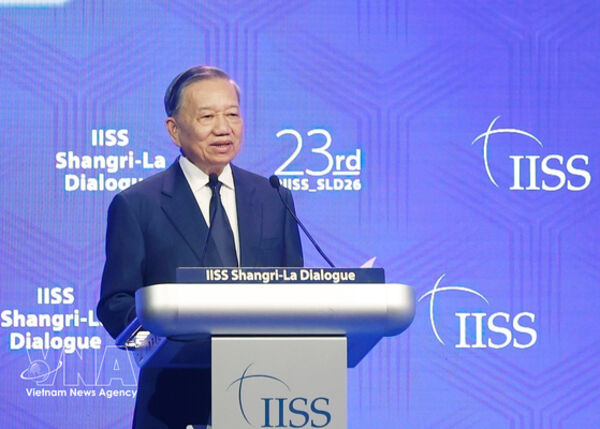
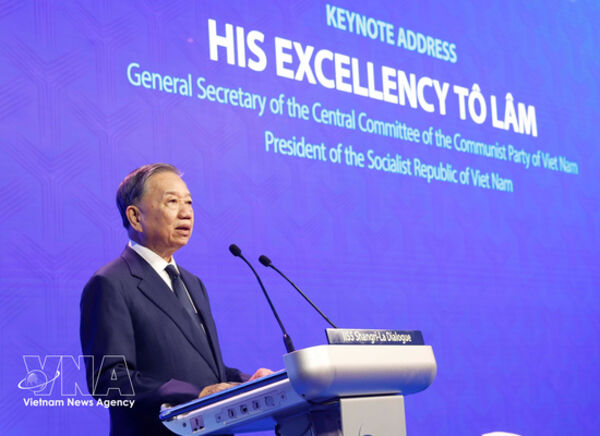
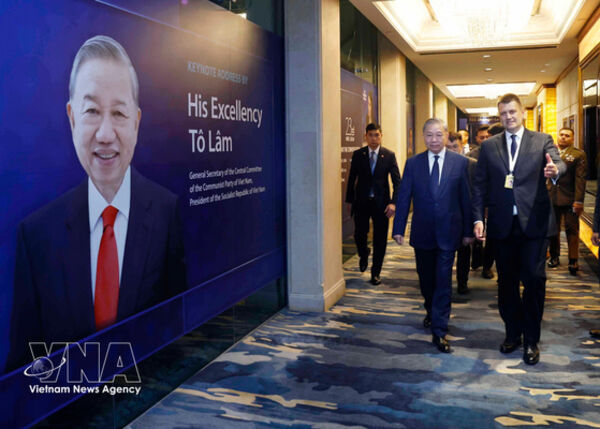
In its commentary on the recent visits by General Secretary of the Communist Party of Vietnam Central Committee and State President To Lam to Thailand, Singapore and the Philippines as well as his keynote address at the 23rd Shangri-La Dialogue in Singapore, Indonesiawindow observed that the visits reflected Vietnam’s foreign policy of independence and self-reliance and reaffirmed its commitment to multilateral cooperation.
According to the author, the choice of Thailand, Singapore and the Philippines as destinations for the Vietnamese leader’s first overseas trip following the launch of the implementation phase of the ASEAN Community Vision 2045 demonstrated that Southeast Asia continues to occupy a central position in Vietnam’s foreign policy. Beyond their bilateral significance, the visits were seen as sending a strong message about the importance of ASEAN in Vietnam’s development and integration strategies.
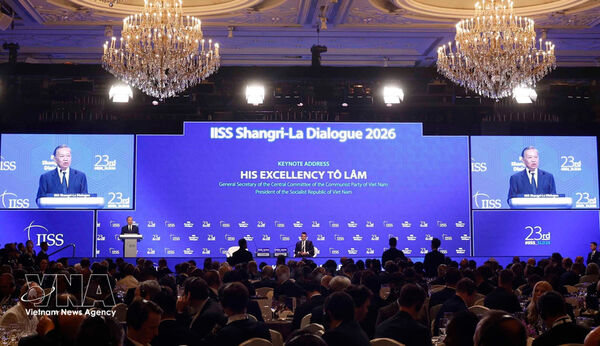
The article also highlighted General Secretary and President To Lam’s keynote speech at the Shangri-La Dialogue, describing it as a clear reflection of Vietnam’s strategic vision amid profound changes in the international landscape. His assessment of current global challenges, including the crisis of strategic trust, uncontrolled competition among major powers and the crisis of the international order, was viewed as resonating with concerns shared by many countries around the world.
The Vietnamese leader’s call for a common, minimum and essential vision to safeguard peace, trust and development for humanity in the 21st century demonstrated Vietnam’s consistent approach of promoting dialogue, cooperation and early conflict prevention. At a time when strategic competition among major powers is intensifying, such views were considered closely aligned with ASEAN’s collective interests and the region’s aspiration to maintain stability, autonomy and sustainable development.
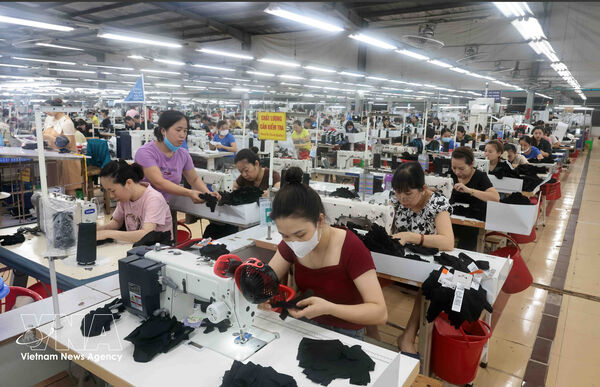
The commentary also reviewed Vietnam’s remarkable development achievements over nearly four decades of Doi Moi (Renewal). With average annual GDP growth of around 7%, Vietnam’s development trajectory was described as one of the most notable economic success stories of the modern era.
The writing suggested that Vietnam’s experience offers valuable lessons for countries seeking to balance national independence, international integration and economic growth.
The author further argued that Vietnam’s achievements demonstrated the effectiveness of a development strategy that combines independence and self-reliance with deep international integration.
Commenting on Vietnam’s role in ASEAN, the article observed that the country has evolved from a new member into one of the key drivers of ASEAN Community-building efforts. Vietnam was credited with contributing to stronger regional consensus and reinforcing ASEAN’s central role in the evolving regional architecture.
Amid growing strategic competition among major powers, Vietnam was portrayed as a country that consistently advocates a balanced approach based on respect for international law, dialogue and multilateral cooperation. As ASEAN member states seek to balance economic interests with security and strategic considerations involving major powers, maintaining unity and a common voice remains essential to preserving ASEAN centrality, according to the writing.
Vietnam has demonstrated a strong commitment to helping build a dynamic, inclusive and resilient ASEAN. Such efforts not only serve its own development interests but also contribute to the stability and prosperity of the wider region.
The article concluded that General Secretary and President Lam’s visits took place at a time when the post-Cold War international order is undergoing profound adjustments. As such, the engagements reflected not only Vietnam’s proactive and active foreign policy but also the country’s transition from adapting to international developments to playing a more active role in shaping the regional strategic environment, thereby contributing to peace, stability and cooperation in the region and the world./.