Lam Dong establishes 8,408-hectare Ta Kou Nature Reserve
The reserve, covering 8,408 hectares, aims to protect and maintain the area and quality of natural forests, conserve biodiversity, endangered and rare species, and natural habitats typical of the region.
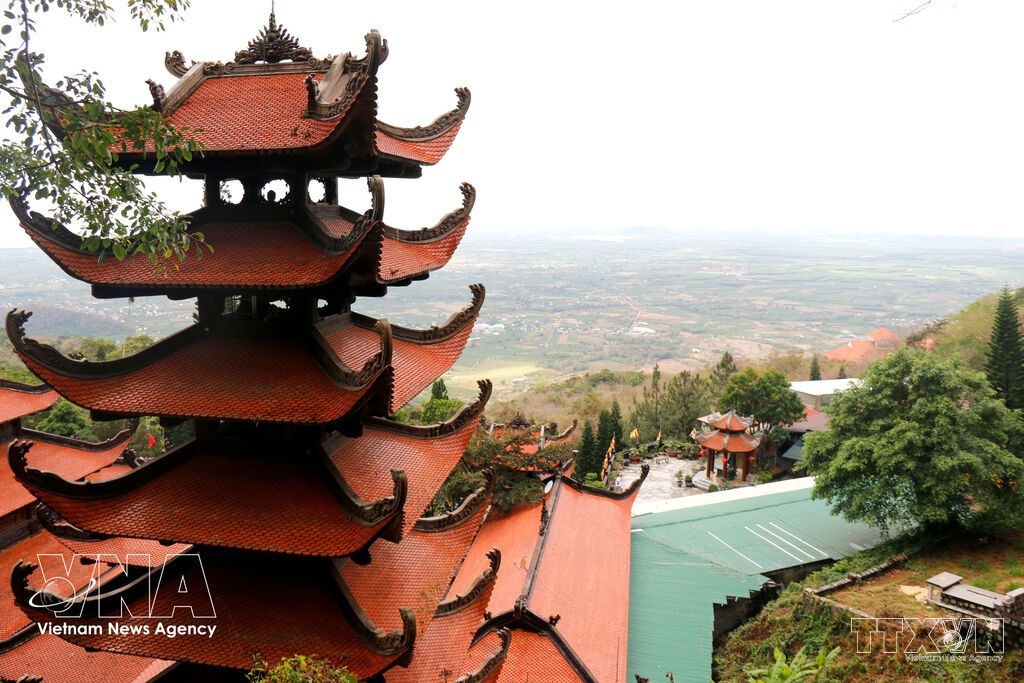
The pagoda complex on Ta Cu Mountain is located within the Ta Kou Nature Reserve. (Photo: VNA)

Lam Dong (VNA) – The People’s Committee of Lam Dong province has decided to establish the Ta Kou Nature Reserve in Ham Thuan Nam and Tan Thanh communes.

The reserve, covering 8,408 hectares, aims to protect and maintain the area and quality of natural forests, conserve biodiversity, endangered and rare species, and natural habitats typical of the region. It will also restore degraded forests, improve ecosystem functions and landscape values, and promote scientific research, environmental education and ecotourism in line with conservation requirements.

The reserve covers 7,342 hectares of natural forest, 281 hectares of planted forest and 785 hectares of land without forest cover. It is divided into three zones, namely a strictly protected zone, an ecological restoration zone, and a service and administration zone.

Following its establishment, the reserve’s management board is expected to coordinate scientific research, training, environmental education, forest environmental service payments, and livelihood support programmes for people living in the buffer zone. Plans for ecotourism, resort, and recreational activities will be reviewed to make sure they align with conservation goals.

Total funding for the reserve’s development plan for 2026–2030 is estimated at nearly 76 billion VND (3 million USD), sourced from public investment funds, recurrent budget expenditure and other sources.
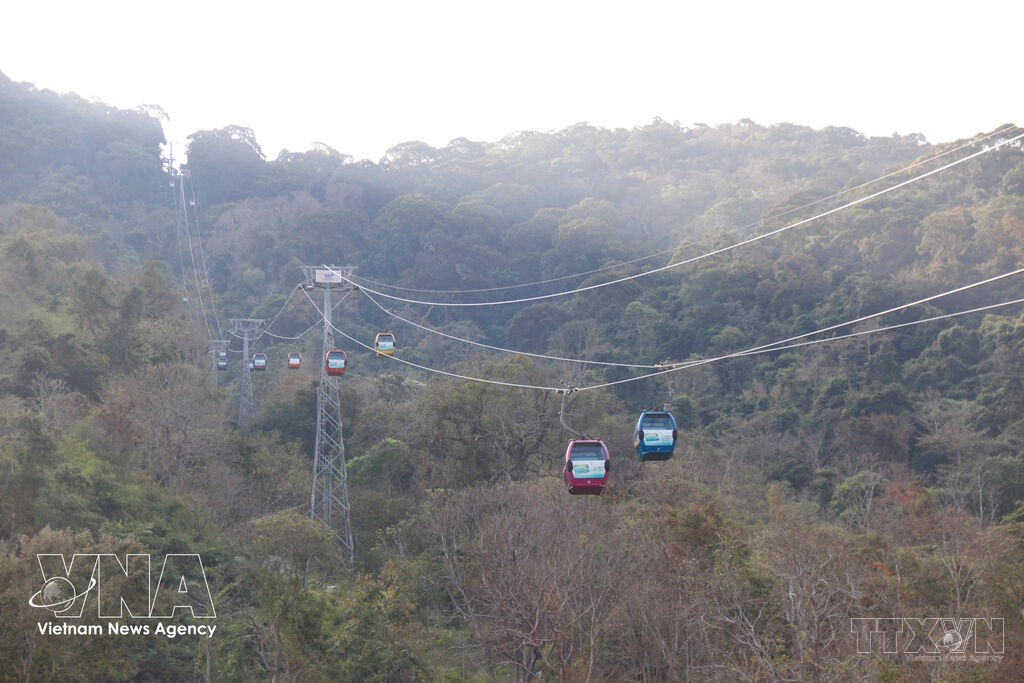
The Ta Kou Nature Reserve in Ham Thuan Nam and Tan Thanh communes (Photo: VNA)

Ta Kou is considered an important site for nature and biodiversity conservation, featuring forest ecosystems typical of Vietnam’s south-central coastal region, diverse mountainous landscapes and many rare plant and animal species.

Preliminary surveys have recorded around 287 animal species, including 62 mammals, 135 birds, 65 reptiles, and 25 amphibians. At least 32 animal species are endangered or rare, including black-shanked douc langurs and water monitors.

The area is also rich in plant resources, including valuable species and medicinal plants traditionally used by local communities.

These ecological values make Ta Kou an important area for priority conservation./.

See Also

Phu Quoc takes on a new look ahead of APEC 2027

Politburo’s Resolution No. 26-NQ/TW dated August 22, 2026 on developing Vietnam’s tourism into a spearhead economic sector in the new era identifies Phu Quoc as gradually becoming a new growth pole and a high-end seaside resort tourism centre with international competitiveness and the capacity to host major international events. Alongside promoting its strengths in natural landscapes and resort tourism, Phu Quoc is accelerating infrastructure investment, including facilities for the 2027 APEC Economic Leaders’ Week, creating further impetus for economic and tourism development and enhancing the position of the Pearl Island.

Digital heritage opens new avenues for cultural preservation, public access

The Southern Women’s Museum has so far digitised 1,113 artefacts, but only 113 are currently accessible to the public. According to deputy director of the museum Pham Thi Dieu, thousands of other artefacts are awaiting an exhibition system under an expansion project. The museum hopes to complete the system in 2027, enabling online visitors to explore the digitised collections.

Tay ethnic people keep young green rice craft alive in Tuyen Quang

The Tay ethnic people in Thuan Hoa commune, Tuyen Quang province, have preserved the traditional craft of making green rice (com) through generations. Beyond producing a local speciality, the craft helps safeguard cultural heritage, provide livelihoods and create opportunities for community-based tourism.

Hanoi breaks ground on 299-hectare safari park

Its key features will include animal habitats modelled on natural ecosystems, veterinary and research facilities, educational exhibitions and recreational areas. Green spaces and water bodies will cover about 81.8% of the site, providing ecological corridors and suitable habitats for wildlife

Golden rice terraces paint Tuyen Quang’s autumn landscape

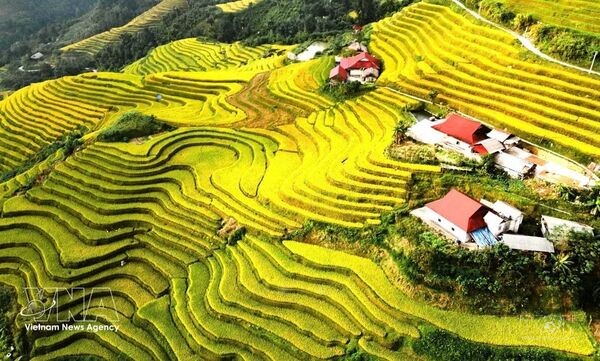
In October, the terraced rice fields of Khuoi Mi, Lung Vai and Na Thac hamlets in Ha Giang 1 ward, northeastern Tuyen Quang province, turn golden as the rice ripens. Viewed from above, the terraces wind along the mountain slopes like ribbons of gold, set against lush greenery and scattered houses.