 |
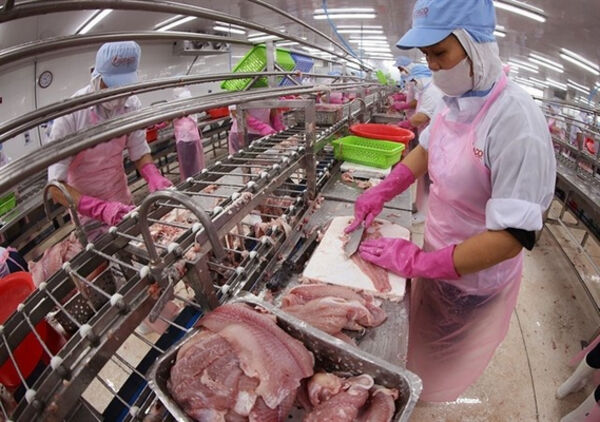
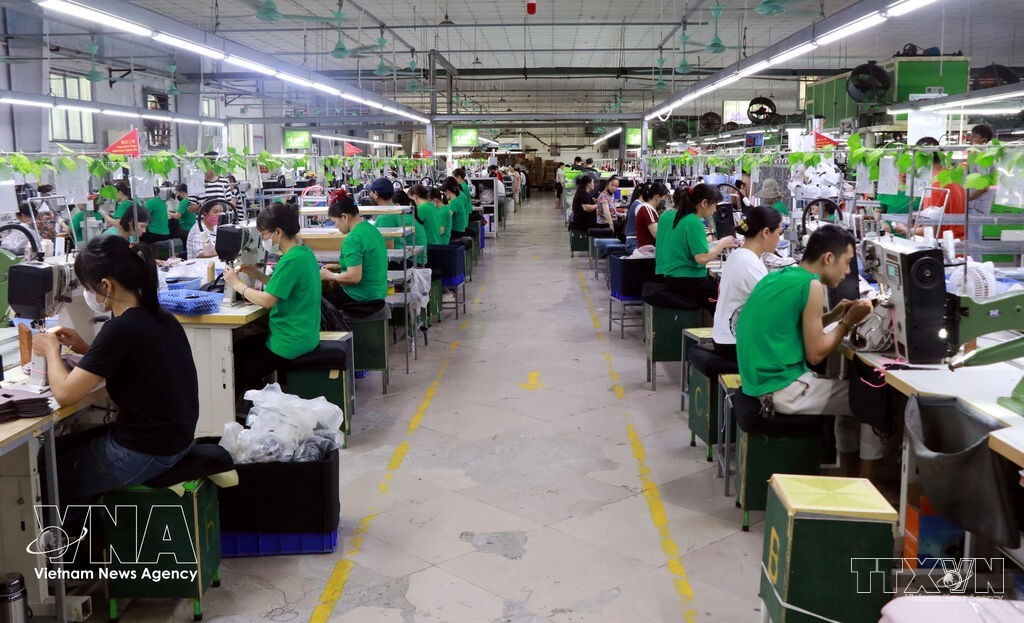
| Workers at a factory producing garments for export. (Photo: VNA) |
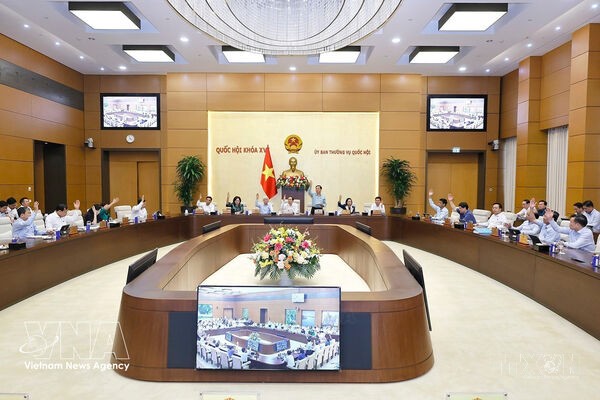
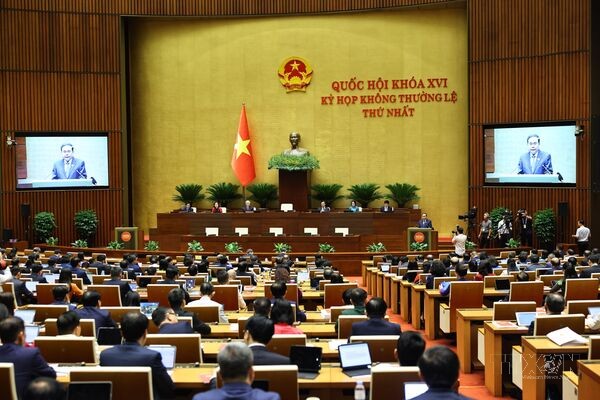
Hanoi (VNA) – In group discussions as part of the 16th National Assembly’s first extraordinary session on August 5, lawmakers reviewed a draft law to amend and supplement several articles of the Law on Vietnamese Guest Workers under Contract, noting that the draft includes many new provisions designed to enhance discipline, improve state management, and better safeguard the lawful rights and interests of this group.
Nguyen Thanh Liem, a deputy from the central province of Quang Tri, pointed out four shortcomings in the current implementation of state management. Some workers use labour contracts to enter a foreign country before absconding, either shortly after arrival or when their contracts are about to expire, in search of higher wages. Meanwhile, Vietnamese companies that win contracts abroad often face difficulties in determining which authority is responsible for handling procedures for Vietnamese workers overseas.
He also noted the absence of a national database on businesses engaged in overseas labour recruitment, making it difficult for local authorities to verify the legality of companies that establish branches in different localities. In addition, some have exploited labour contracts as a cover for fraudulent activities, including human trafficking.
According to Liem, the amended draft law contains necessary provisions to address these four issues and strengthen state management over the dispatch of Vietnamese workers abroad.
He also proposed adding provisions requiring labour recruitment agencies to proactively establish contact with Vietnamese representative missions in the countries or territories where workers are sent. Such a mechanism would help avoid delays in providing consular protection and safeguarding workers’ rights when incidents occur. Liem said.
Ly Anh Thu, a deputy from the Mekong Delta province of An Giang, proposed that enterprises should bear full responsibility for recruiting, assessing and selecting workers to prevent illegal brokerage and clearly define accountability when violations arise.
She proposed the drafting committee incorporate additional principles to ensure non-discrimination and transparency in the criteria and priority occupations for training, skills development, access to safe credit, and counselling for vulnerable groups. Policies to support returning workers should include recognition of their vocational skills and stronger links with start-ups and businesses, Thu added.
Regarding Clause 4, Article 1 on prohibited acts, occupations and destinations, Thu recommended expanding the provisions to cover deception, exploitation, jobs or areas posing risks to security, public morality, health, conflict zones or places subject to official travel advisories. She also called for clear risk assessment criteria, designation of the competent authority responsible for issuing such classifications, and an emergency review mechanism with regular updates.
Ly Huong, a deputy from the northern mountainous province of Lao Cai, noted that many countries and territories, particularly the Republic of Korea (RoK), are seeking seasonal workers in sectors such as agriculture, agricultural processing, tourism and services, with employment periods ranging from five months to less than one year.
She proposed incorporating into the law a mechanism for sending seasonal workers abroad under cooperation programmes between local authorities of Vietnam and the RoK, saying this would better reflect practical needs, strengthen the legal framework, and expand employment opportunities for Vietnamese workers./.