Ninh Binh hosts Vietnam–Japan Buddhist cultural exchange festival 2026
The biennial festival, jointly hosted by the Vietnam Buddhist Sangha (VBS), the provincial Buddhist Sangha and Tam Chuc Pagoda, returned to Vietnam for the third time, featuring traditional religious rituals and cultural performances from both countries.
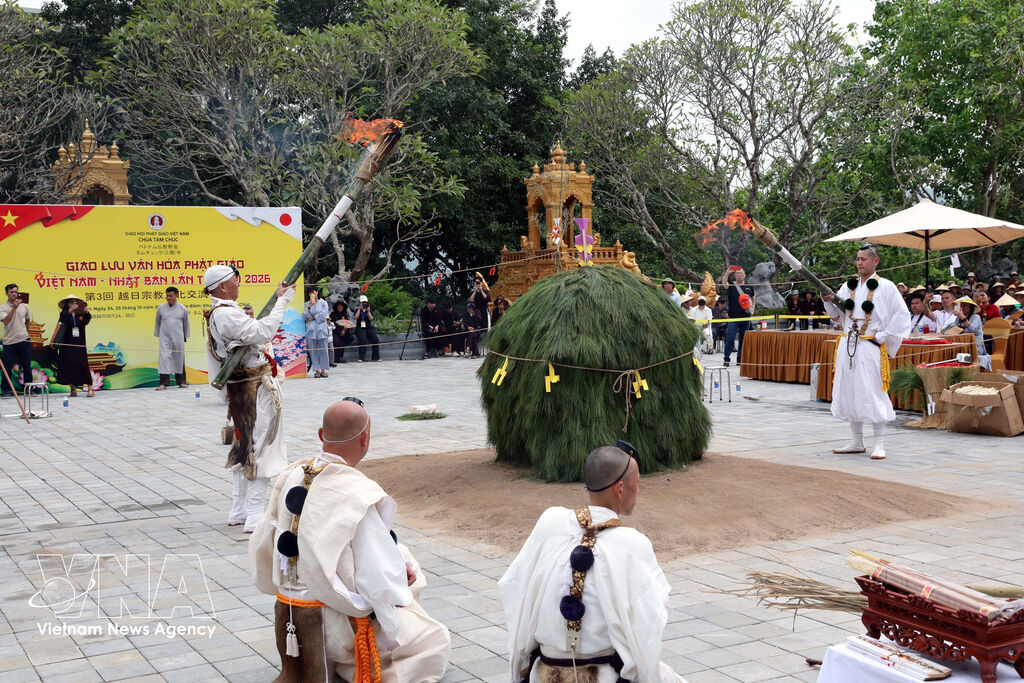
Rituals of the Saito Ogomaku fire ceremony at the 2026 Vietnam–Japan Buddhist Cultural Exchange Festival in Ninh Binh province (Photo: VNA)

Ninh Binh (VNA) - Nearly 1,000 Buddhist monks, nuns and followers and Japanese visitors gathered in the Tam Chuc national tourism site in the northern province of Ninh Binh on October 24-25 for the 2026 Vietnam–Japan Buddhist Cultural Exchange Festival themed “Prayers beyond borders”.

The biennial festival, jointly hosted by the Vietnam Buddhist Sangha (VBS), the provincial Buddhist Sangha and Tam Chuc Pagoda, returned to Vietnam for the third time, featuring traditional religious rituals and cultural performances from both countries.

Venerable Thich Minh Quang, Deputy Chief of the Office of the VBS’s Central Committee and deputy abbot of Tam Chuc Pagoda, said the pagoda was honoured to host the festival. Participants joined Japan’s ancient traditional religious rituals, including a large outdoor Goma fire ceremony performed by Shugendo practitioners to pray for world peace and the well-being of all.

According to Venerable Sekiguchi from Keifukuji Temple, head of the Japanese delegation from the Saitama buddhist society, the fire ceremony was among the festival’s main attractions. Rooted in Shugendo teachings, the ancient practice combines elements of Indian Buddhism, esoteric Buddhism and Chinese Taoism. Traditionally performed outdoors by mountain ascetics, it remains rare in Japan and abroad.

During the ritual, participants’ prayers for good health, the removal of misfortune and the fulfilment of wishes are symbolically entrusted to the flames. Participants may also take part in a fire-walking ritual after the ceremony.

Known as Saito Ogomaku, the fire ritual is an esoteric Japanese Buddhist practice intended to help overcome difficulties and fulfil aspirations. Fire symbolises the sun’s life-giving power, which is invoked to dispel misfortune and illness.

Another featured ritual was the flower-offering ceremony, based on the Buddhist tradition of scattering flowers to praise and welcome the Buddha or Bodhisattvas. The ritual symbolises using the fragrance of flowers to drive away evil spirits, purify the ceremonial space and welcome the Buddha.

Nguyen Xuan Trung, Director of Tam Chuc Tourism and Services Company Limited, said hosting the festival offers Ninh Binh residents and domestic and international visitors an opportunity to explore Japan’s traditional culture through performances and cultural activities. It also helped introduce Japanese customs and tourist attractions, while promoting Tam Chuc and other spiritual and cultural destinations in Ninh Binh among Japanese people living in Vietnam./.
Related News

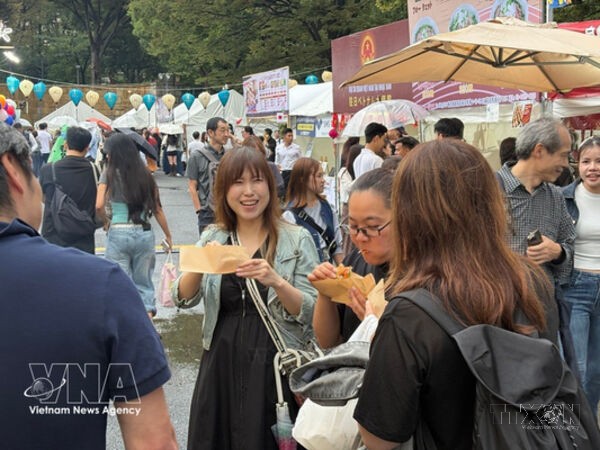
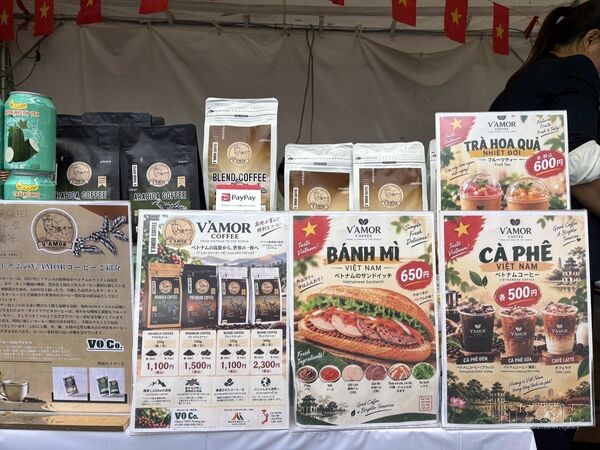
Vietnamese banh mi takes centre stage at first festival in Japan

The Vietnam Banh Mi Festival 2026 opened in Tokyo on September 26, bringing Vietnamese banh mi, food and culture closer to Japanese people and the Vietnamese community. Held for the first time in Japan, the two-day festival offers a space for cultural exchange through cuisine.

See Also

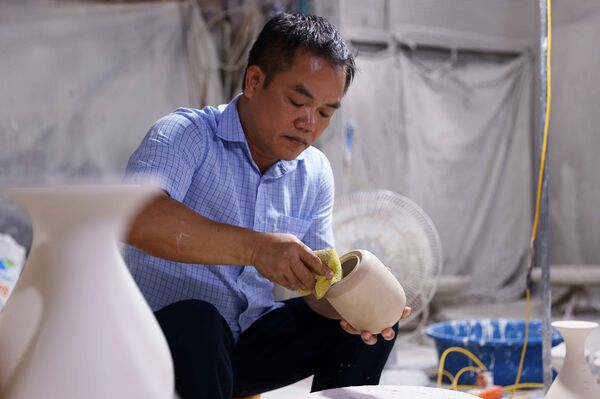
Artisan keeps Kim Lan pottery tradition alive

A flame can fire a piece of pottery. But keeping a traditional craft alive through the years takes another kind of fire: passion and dedication. For more than 35 years, Meritorious Artisan Dao Viet Binh has devoted himself to working with clay, glaze and fire, tirelessly preserving the heritage of Kim Lan’s thousand-year-old pottery village. His efforts have focused on safeguarding the traditions passed down by his ancestors and bringing that heritage to a wider audience.

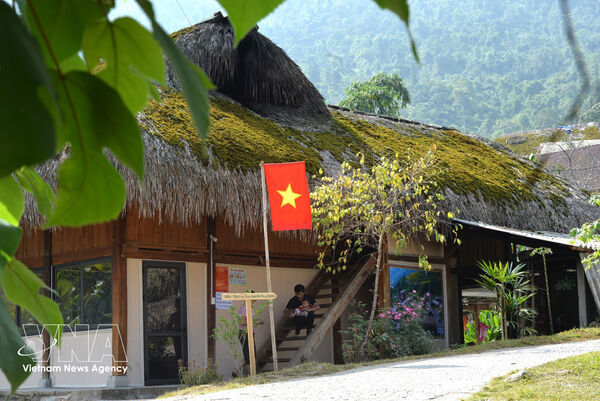
Roofs in Xa Phin covered in moss

Xa Phin hamlet in Thanh Thuy commune, northeastern Tuyen Quang province, lies at the foot of the Tay Con Linh mountain range and is known for its traditional Dao stilt houses with palm-leaf roofs, now covered in green moss that blends with the lush mountain landscape.

Vietnam seeks to boost shopping tourism

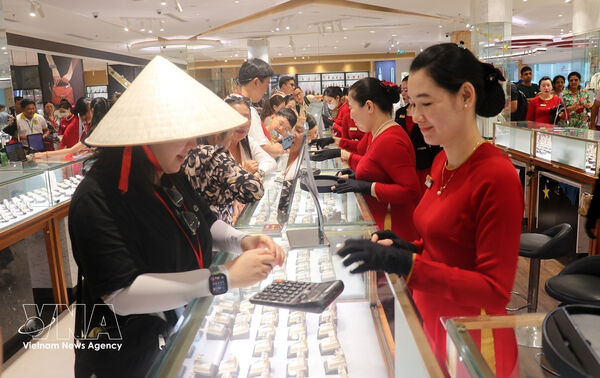
Shopping tourism remains underdeveloped in Vietnam despite its potential to attract visitors and boost revenue. Diversifying dining, shopping and entertainment services while extending stays would help increase tourist spending.

Vietnam ranks fourth among top autumn travel destinations for 2026

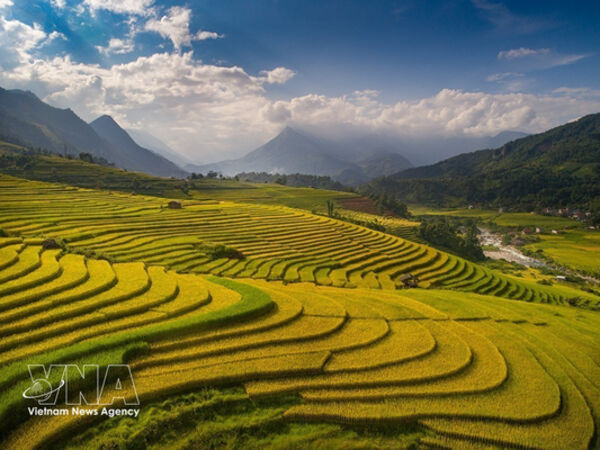
Lonely Planet highlights Hanoi as an appealing autumn destination, with cool weather making it a pleasure to explore its winding, invigorating streets. Dreamy Ha Long Bay is at its clearest and the warm waters are perfect for a dip, while Sa Pa and Tuyen Quang, including the former Ha Giang area, welcome visitors with golden terraced rice fields during the harvest season.

Buffalo-soul ritual keeps tradition alive in Lai Chau

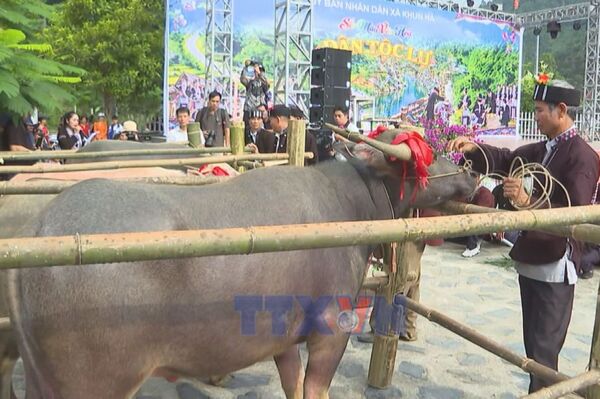
As part of the 2026 Lu Ethnic Culture Festival, themed “Colours of Lu Ethnic Culture”, Khun Ha commune in the northwestern province of Lai Chau province re-enacted the Su Khon Khoai festival. Its highlight, a buffalo soul worship ritual, expresses gratitude to the animals for their hard work, hopes for good harvests and prosperity, and helps preserve the Lu community’s spiritual traditions.

Hanoi works to unlock heritage resources

When innovation deepens understanding of traditional values rather than replacing them, heritage becomes not only something to preserve but also a resource for sustainable tourism, economic development and reinforcement of Hanoi’s position as a UNESCO Creative City.