One year of operation of two-tier local government model in Ho Chi Minh City
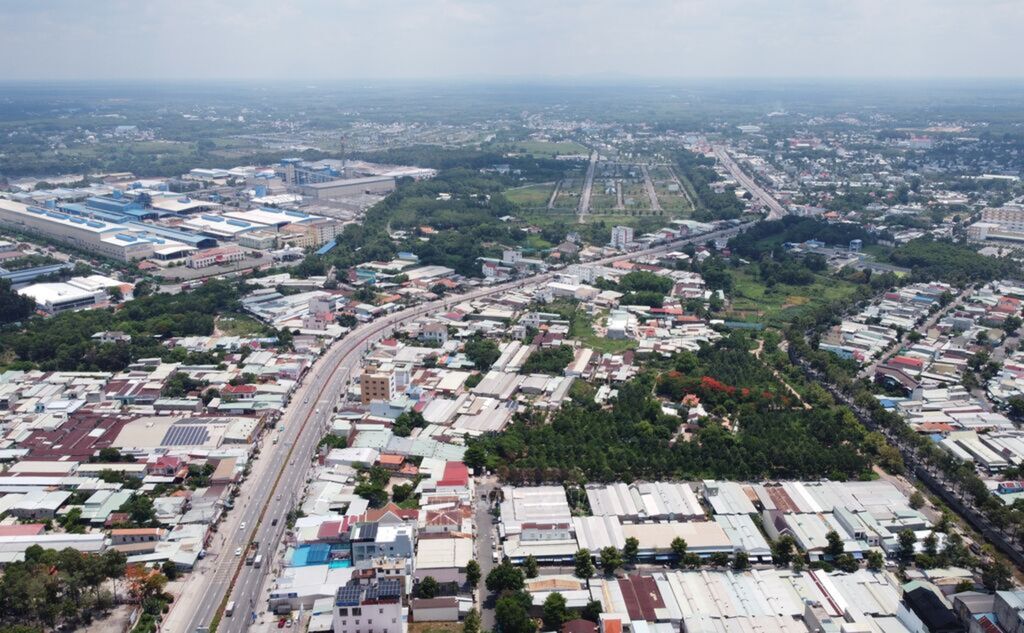
Looking back on one year of officially operating the
two-tier local government model, Ho Chi Minh City has expanded its area to more
than 6,700 sq.km, fully integrating the strategic territories of former Binh
Duong and Ba Ria–Vung Tau provinces. This governance transformation is not a
temporary change but a “key” that opens up a new development space with
unprecedented opportunities. Photo: Huu Duyen – VNA
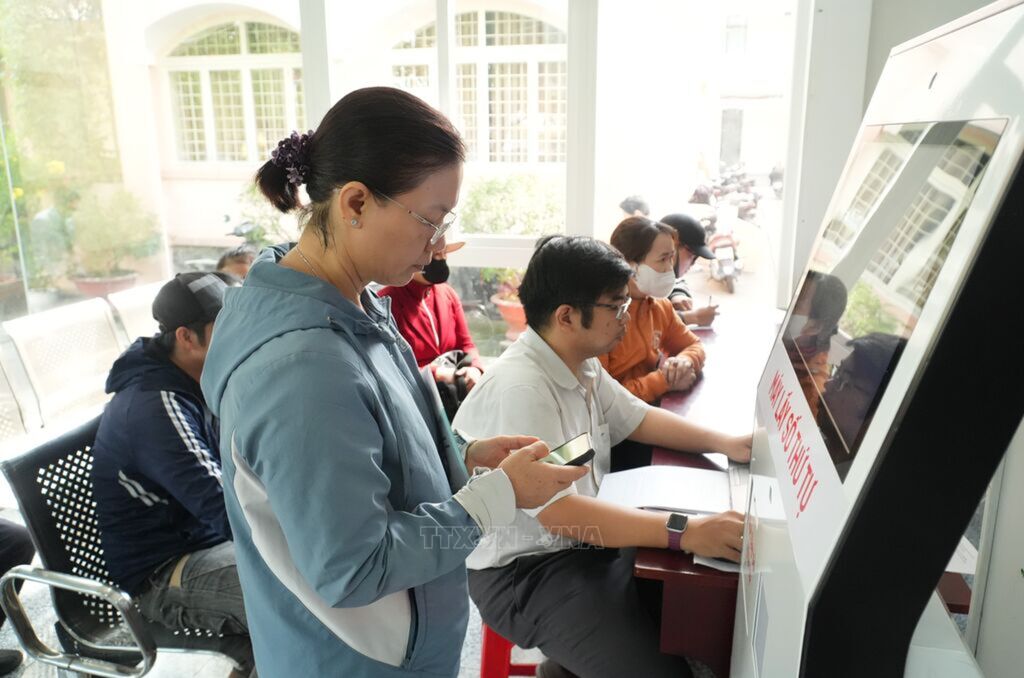
Residents use the VNeID application to complete administrative procedures at the Public Administration Service Center of Cu Chi Commune. Photo: Huu Duyen – VNA
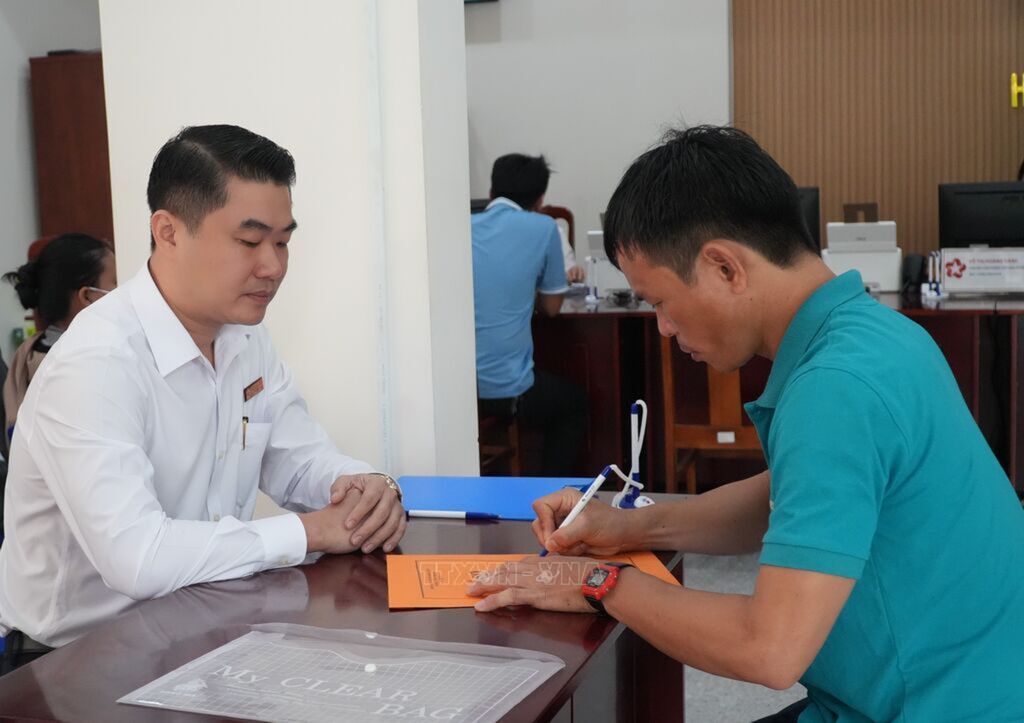
Despite a sharp increase in workload, with 7,800 online applications and more than 200,000 notarization requests processed, civil servants in Phu Nhuan Ward continue to provide dedicated support for elderly and disabled residents. Photo: Huu Duyen – VNA
In Cu Chi Commune, officials have established rapid-response groups on Zalo, connecting directly with relevant departments and agencies to promptly resolve citizens’ concerns. Photo: Huu Duyen – VNA
Residents of Tan Dinh Ward exercise their right to public oversight by evaluating the performance of officials and civil servants. Photo: Huu Duyen – VNA
Civil servants in Phu Giao Commune provide hands-on assistance to elderly residents unfamiliar with digital technology, helping them complete administrative procedures efficiently. Photo: Huu Duyen – VNA
Ben Cat Ward, Ho Chi Minh City (formed through the merger of part of My Phuoc Ward and the former Tan Hung and Lai Hung communes), is a unique locality covering more than 100 sq.km and home to over 111,000 residents. Photo: Huu Duyen – VNA
Since July 1, 2025, Ben Cat Ward has received and processed more than 15,600 administrative applications, achieving a 100% on-time completion rate. Photo: Huu Duyen – VNA
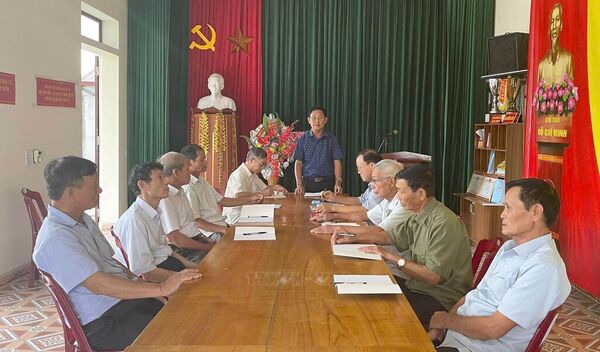
The Party Organization of Ninh Binh Province currently
comprises 133 Party organizations with more than 239,000 Party members. Amid
ongoing efforts to strengthen and rectify the Party, Party building at the
grassroots level continues to be identified as a key task in the province. By
focusing on “building” to reinforce public trust and “combating” to uphold
discipline, grassroots Party organizations in Ninh Binh are affirming their
role as political nuclei, creating a solid foundation for the province’s rapid
and sustainable development. Photo: Thuy Dung – VNA
The city appeals to visitors thanks to its combination of beach holidays, cultural and heritage experiences, entertainment, cuisine and convenient transport links.
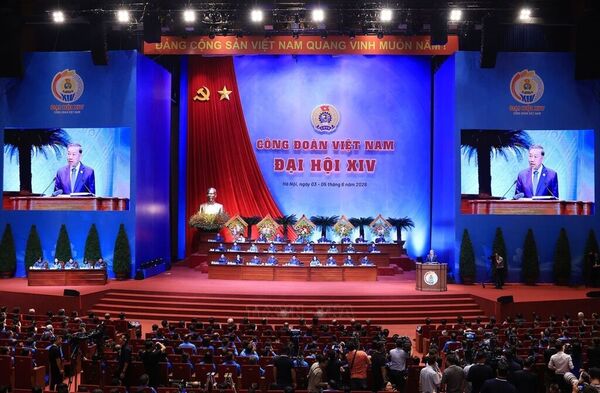
The 14th Vietnam Trade Union Congress for the 2026–2031 term
officially opened in Hanoi on June 4, bringing together 780 outstanding
delegates representing the aspirations, determination and collective wisdom of
nearly 10 million trade union members nationwide. Party General Secretary and
State President To Lam attended the event and delivered a keynote address. VNA
Photo: Tuấn Anh, Thống Nhất
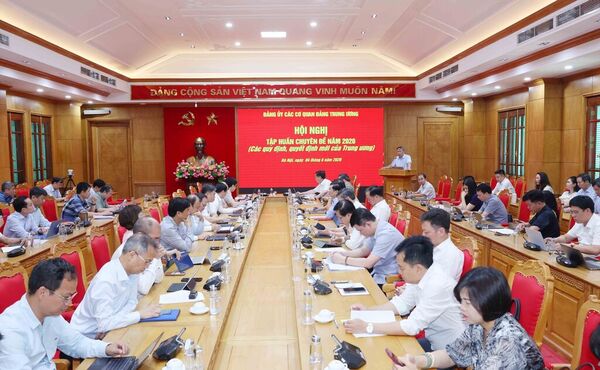
The Party Committee of Central Party Agencies organized in
Hanoi on June 4, 2026 the 2026 thematic study conference on newly issued
regulations and decisions of the Party Central Committee. The conference was
held in both in-person and online formats. Photo: Phuong Hoa – VNA
Sargassum ecosystems (a genus of large golden-brown seaweed) in Van Tuong and Dong Son communes, the central coastal province of Quang Ngai are facing growing threats from uncontrolled harvesting, jeopardising biodiversity and the sustainability of local marine resources.
As the rice harvest season nears, Son La province’s terraced fields glow in hues of gold and green, offering a stunning panorama that highlights the beauty and tranquillity of Vietnam’s northwestern highlands.
By 2030, all educational institutions are expected to have separate medical rooms equipped with essential medicines and healthcare equipment, adequate access to safe drinking water and sanitation facilities, and school meal services that comply with food safety regulations.
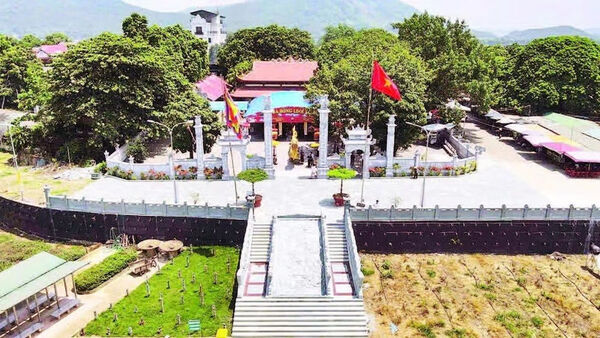
Experts have called for stronger implementation of heritage management regulations under the Cultural Heritage Law, clearer responsibilities for site management boards and stricter action against activities that distort cultural traditions.