Vietnam targets annual health screening for all students by 2030
By 2030, all educational institutions are expected to have separate medical rooms equipped with essential medicines and healthcare equipment, adequate access to safe drinking water and sanitation facilities, and school meal services that comply with food safety regulations.
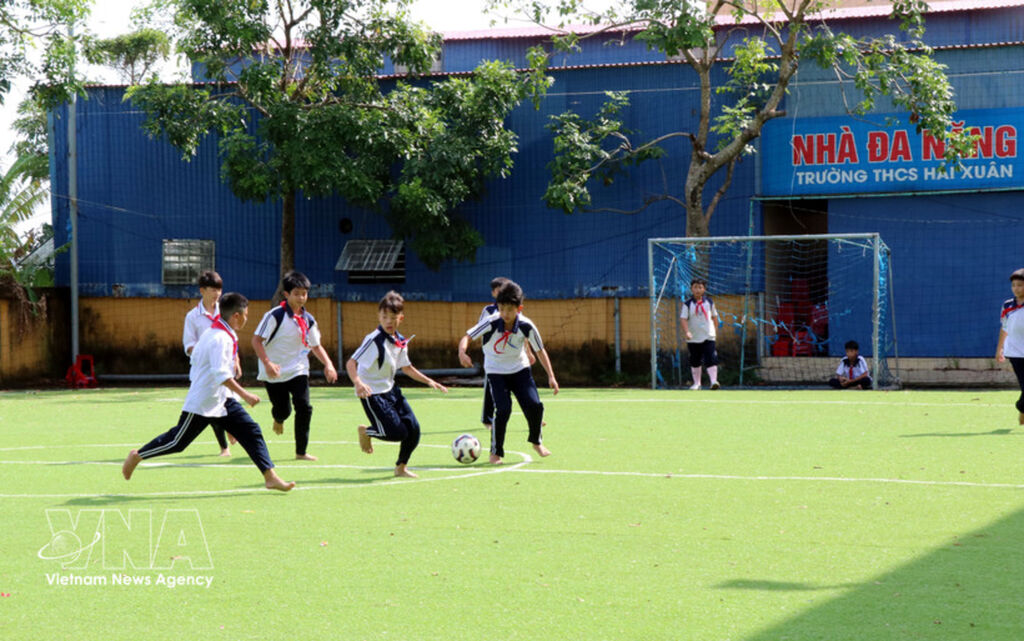
Students play football during a break atthe Hai Xuan Secondary School in Ninh Binh province . (Photo: VNA)

Hanoi (VNA) – Vietnam aims to ensure that all children, pupils and students nationwide undergo a health check-up or disease screening at least once a year by 2030 under a newly approved School Health Programme for 2026–2035.

The programme, recently signed off by Deputy Prime Minister Le Tien Chau, sets out an ambitious roadmap to improve healthcare services and health management across the education system. It covers learners at all levels, from preschool to higher education and vocational training institutions. This is part of efforts to carry out breakthrough measures to develop education – training and enhance public health protection, care and improvement.

Accordingly, students’ health information will be updated and managed through electronic health records connected to the national residents database.

During the 2026–2030 period, Vietnam also targets having dedicated school health personnel in 60% of public preschool and general education institutions while ensuring that all universities, colleges, boarding and semi-boarding schools for ethnic minority students, vocational schools and institutions serving students with disabilities employ full-time health staff meeting professional standards.

In addition, all educational institutions are expected to have separate medical rooms equipped with essential medicines and healthcare equipment, adequate access to safe drinking water and sanitation facilities, and school meal services that comply with food safety regulations. The programme further calls for all institutions to monitor and assess students’ nutritional status, while at least 80% of schools are expected to provide standard sanitation facilities accessible to persons with disabilities.

The initiative also places emphasis on health communication and education, with all schools required to organise activities promoting healthcare, nutrition and mental health awareness.

For the 2031–2035 period, the Government aims to consolidate the achievements of the previous phase and fulfill all targets related to human resources and infrastructure, ensuring that educational facilities are fully equipped to meet the needs of all learners, including those with disabilities.

To achieve these goals, the programme outlines six major groups of measures, including improving the legal and policy framework on school health, expanding the school healthcare workforce, upgrading facilities and equipment, promoting health education and communication, accelerating digital transformation, and strengthening inter-sectoral coordination while mobilising social resources for implementation./.


See Also

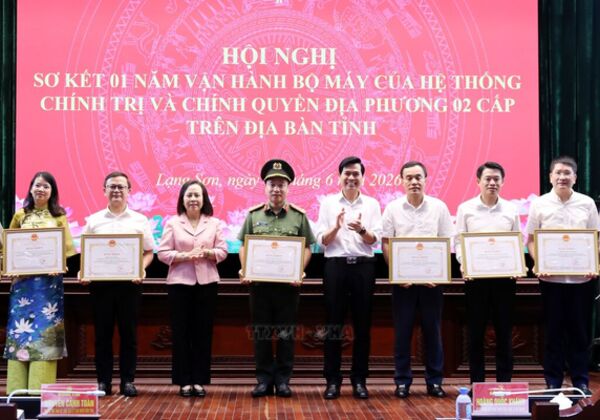
Leaner apparatus must mean better governance: Top leader

Administrative reform isn’t not merely about slashing organisational units, but building a governance structure that is stronger, leaner, more accountable, more effective and better equipped to serve the public as the foundation for rapid, sustainable development in a new era, Party General Secretary and State President To Lam said while chairing a working session in Hanoi on June 2 with the Central Steering Committee responsible for reviewing one year of the political system’s new organisational model and the three-tier administration model. VNA Photo: Thống Nhất

Lang Sang village boasts peaceful, untouched beauty in Son La province

Lang Sang is a Mong ethnic village located far from the downtown of Ta Xua commune and deep within the core zone of the Ta Xua nature reserve and special-use forest in the northwestern mountainous province of Son La. The village is known for its pristine tranquillity, majestic mountains, untouched forests and the simple way of life of local residents, who rely on upland farming throughout the year.

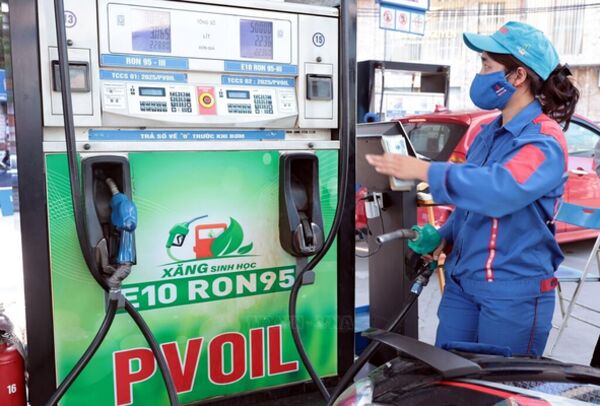
Green fuel transition gains momentum as E10 goes nationwide

Starting June 1, E10 biofuel will officially be distributed nationwide under the Ministry of Industry and Trade (MoIT)’s roadmap, marking a major step in Vietnam’s green energy transition strategy, greenhouse gas emission reduction efforts and commitment to achieving net-zero emissions by 2050. Under the ministry's Circular No. 50/2025/TT-BCT, all unleaded petrol sold on the domestic market from June 1 must be blended with ethanol to produce E10 for petrol-powered vehicles nationwide. Meanwhile, E5RON92 petrol will continue to be available until the end of 2030. VNA Photo

Solemn Vesak celebration held in Ho Chi Minh City

On May 31, 2026 (the 15th day of the fourth lunar month, Year of the Horse), at Viet Nam Quoc Tu Pagoda, the Executive Board of the Vietnam Buddhist Sangha in Ho Chi Minh City solemnly organized the Vesak Celebration for Buddhist Calendar Year 2570 – Gregorian Year 2026. Photo: Xuan Khu – VNA

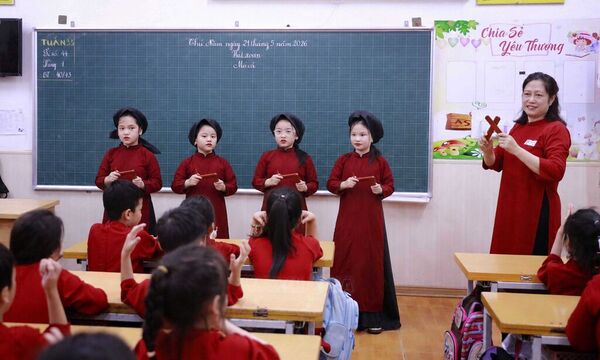
Preserving Xoan singing rhythms in Land of Ancestors through schools

As a leading example of Phu Tho Province’s “Xoan Singing in Schools” movement, Gia Cam Primary School in Viet Tri Ward has integrated ancient Xoan melodies into school life, allowing the sounds of drums, clappers, and traditional duet singing to resonate daily among nearly 2,000 students. Through class clubs, interest groups, and a core team of 250 students who regularly perform and participate in cultural events and local festivals, Phu Tho Xoan singing – recognized as an Intangible Cultural Heritage of Humanity – is being preserved and passed on through the students’ genuine love and enthusiasm. Photo: Hoang Hung – VNA

Nearly 125,000 Hanoi students enter Grade 10 entrance examination for 2026–2027 school year

Candidates sitting for Hanoi’s Grade 10 entrance examination for the 2026–2027 school year on May 29, 2026 arrived at examination venues to complete registration procedures, receive instructions on examination regulations and schedules, and correct any errors in their personal information if necessary. The entrance examination for public non-specialized high schools in Hanoi will take place on May 30 and 31. This year, nearly 125,000 candidates have registered for the exam. The city has arranged 224 examination venues with approximately 5,300 official examination rooms and nearly 400 backup rooms. About 18,000 invigilators, teachers, staff members, and support personnel have been assigned to work at the examination sites. In addition, around 2,000 inspectors have been mobilized to supervise the examination process. Photo: VNA