 |
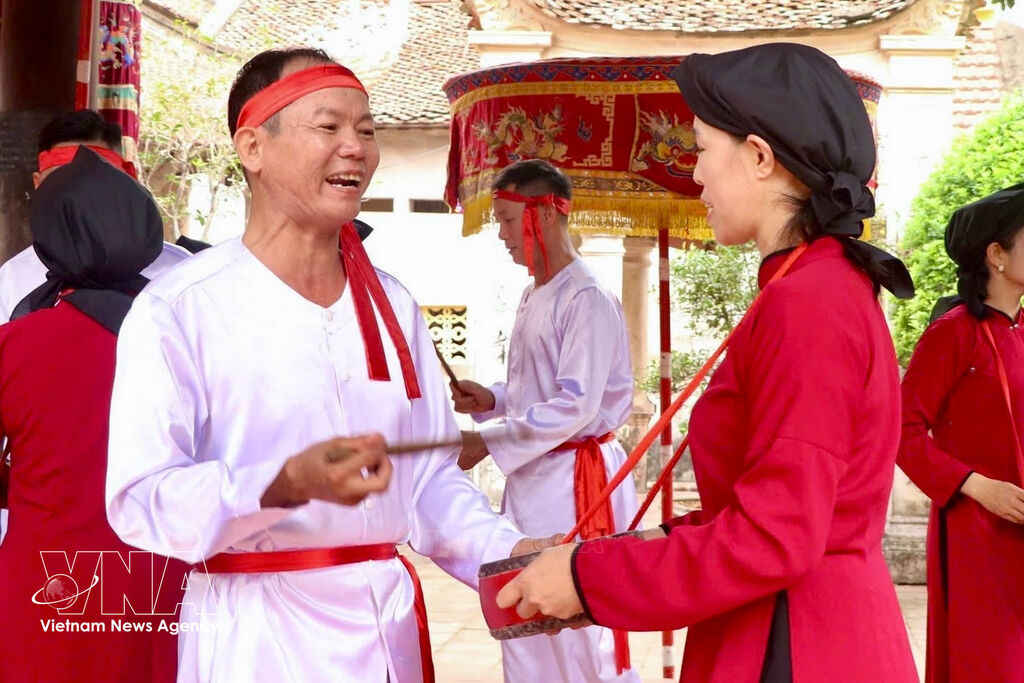
| The harmonious coordination between the male and female performers in an ancient Xoan folk song is a characteristic of temple-style performing arts, reflecting cultural exchange and community solidarity. (Photo: VNA) |
Phu Tho (VNA) – The northern province of Phu Tho is gradually turning culture into an effective channel for external relations, from promoting distinctive cultural products to expanding artistic exchanges, connecting with overseas Vietnamese and strengthening international cooperation, helping promote the province's image, broaden cooperation ties and create new opportunities for tourism, trade and investment.
Bringing heritage into external relations activities
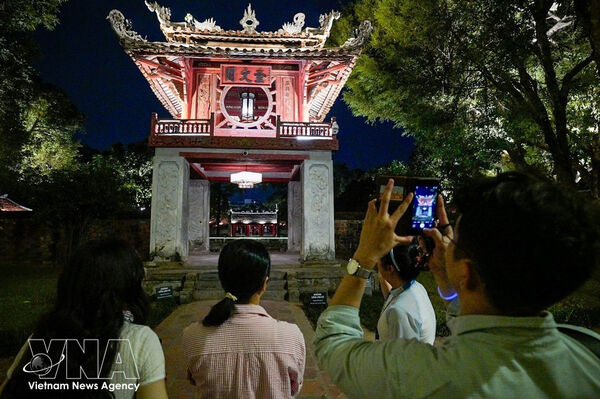
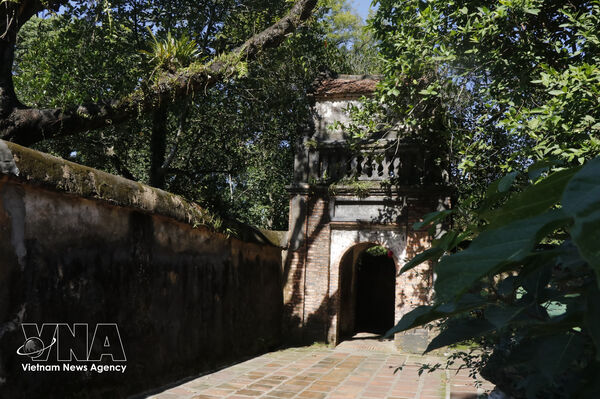
According to the Phu Tho Department of Foreign Affairs, the province has in recent years proactively incorporated its distinctive cultural values into programmes to welcome international visitors. At the Hung Kings Temple historical site and original Xoan singing venues such as Lai Len Temple, Thet communal house, An Thai communal house and Hung Lo communal house, international visitors have opportunities to experience local cultural spaces, rituals, art forms and community life firsthand. Culture has thus become a means of introducing the province, fostering mutual understanding and strengthening ties with international partners.
Alongside heritage experiences, Phu Tho has gradually incorporated cultural products into promotional activities and economic diplomacy. OCOP gift sets, handicrafts, midland green tea and products featuring images of Dong Son bronze drums and Xoan singing are selected for introduction at international exchange programmes, forums and trade fairs.
Art has also emerged as an effective channel for fostering connections. The Vietnam-Republic of Korea international cultural exchange art exhibition, themed “Cultural Flows”, was held in Phu Tho as part of the Hung Kings Commemoration, Hung Kings Temple Festival and Ancestral Land Culture and Tourism Week 2026. It featured 118 works by 107 Vietnamese and Korean artists.
Through external relations events, the province has expanded its friendship ties with 22 foreign localities.
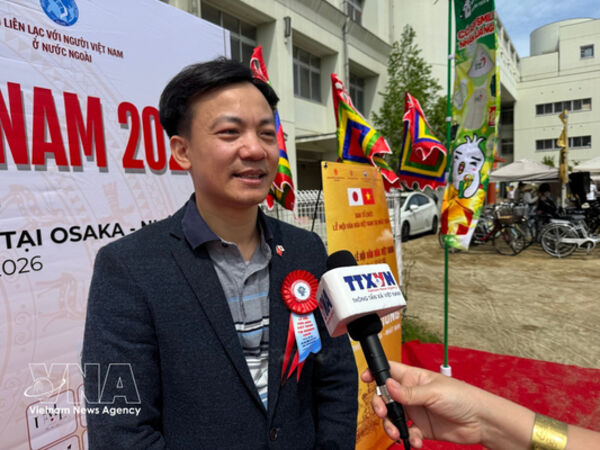
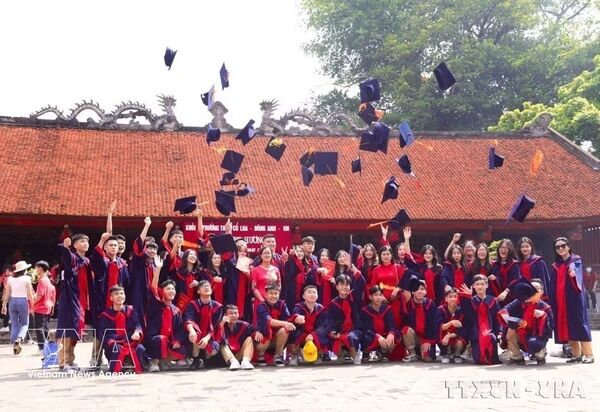
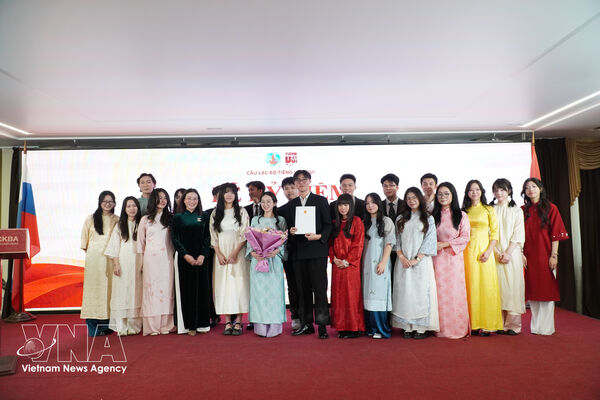
Overseas Vietnamese and students are particularly important in spreading the cultural values of the Ancestral Land. Every year, the province also welcomes hundreds of overseas Vietnamese from various countries who return to pay tribute to the Hung Kings. In education, Hung Vuong University signed six cooperation agreements with partners from Denmark, Germany, the US, Israel, China and Taiwan (China) during the 2021–2025 period. It also organised 12 international training and exchange programmes, sending 372 student participants abroad for study and internships and receiving 245 students from Laos, China and the RoK. Vietnamese-language courses combined with cultural experiences have helped strengthen exchanges and foster friendship.
Expanding scope of external relations
Phu Tho is home to two UNESCO-recognised representative intangible cultural heritage elements of humanity, namely the Worship of Hung Kings and Phu Tho “Xoan” singing, alongside a rich system of historical sites, festivals, craft villages and other intangible heritage. These provide a foundation for the province to further promote its image through cultural diplomacy.
Vice Chairwoman of the provincial People's Committee Phung Thi Kim Nga said that in the new period, the province will continue to make effective use of the cultural space following the administrative merger, accelerate digital transformation, and link cultural diplomacy with tourism development, cultural industries, the heritage economy and local-level external relations.
In line with this orientation, Phu Tho has issued a plan to implement the strategy for cultural external relations through 2030, with a vision to 2045, aiming to establish the province as a festival centre celebrating the nation's roots. Under the plan, Phu Tho aims to organise at least one “Phu Tho Cultural Festival” abroad and one “Foreign Culture Festival” in the province each year. During the 2026–2030 period, it plans to hold two to three cultural exchange and promotion events, as well as friendly sports competitions involving representatives from foreign localities with which the province has established friendly cooperation ties and other localities in partner countries.
The plan's central objective is to widely promote the image of Phu Tho, the ancestral land and cradle of the Vietnamese nation, to international friends; lay the foundation for stronger exchanges and broader external cooperation; and mobilise external resources to support the province's sustainable socio-economic development.
Its implementation is expected to forge closer links between cultural diplomacy and political diplomacy, economic diplomacy, people-to-people exchanges and the province's socio-economic development tasks. This will gradually turn the outcomes of cultural exchanges and connections into tangible cooperation opportunities.
The province will continue preparing dossiers for the classification of historical sites at different levels; seek to have Mo Muong ritual practices included on UNESCO's List of Intangible Cultural Heritage in Need of Urgent Safeguarding; digitise cultural heritage and historical sites; and allocate resources for the restoration, preservation and revival of traditional rituals.
Phu Tho will also preserve and promote its two UNESCO-recognised representative intangible cultural heritage elements, develop distinctive cultural and tourism products, strengthen connections with overseas Vietnamese, and mobilise businesses, artists, artisans and local residents to join promotional efforts./.