 |
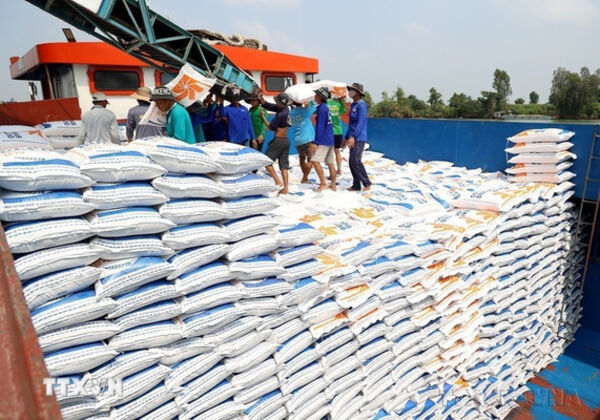
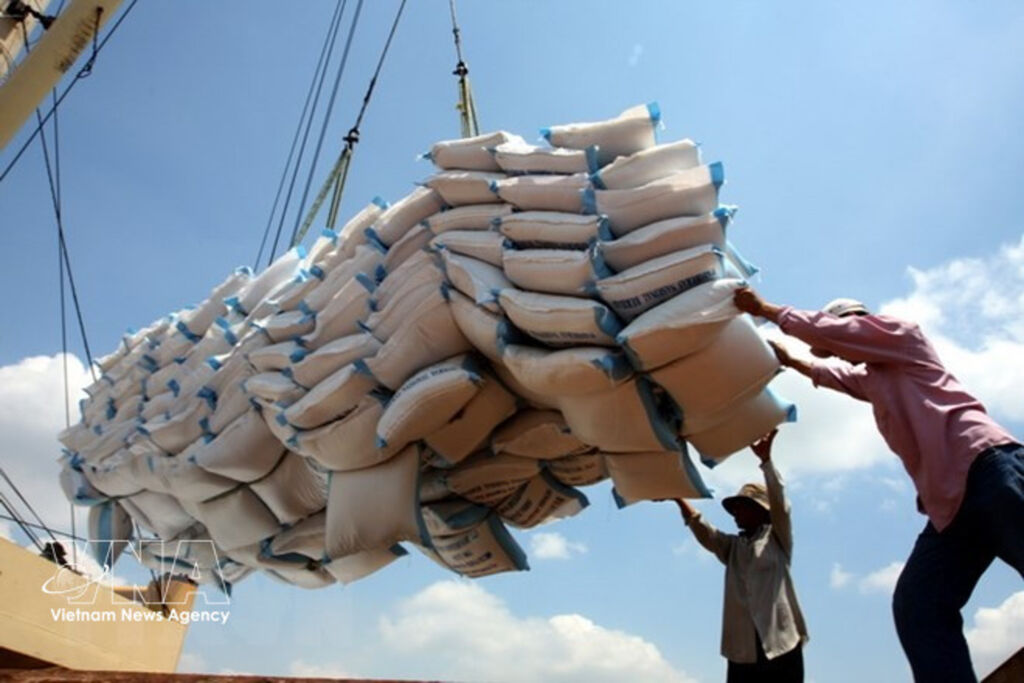
| Workers load rice bags onto a vessel for delivery. (Photo: VNA) |
Hanoi (VNA) – Prime Minister Pham Minh Chinh has signed a dispatch outlining a series of tasks and solutions to accelerate export growth in 2026 amid mounting global uncertainties.
According to the dispatch, since early 2026, the Government and PM have rolled out successive directions, with ministries, agencies and localities stepping up efforts to broaden export markets.
During January – February, Vietnam’s total export-import value hit 155.7 billion USD, up 22.3% year-on-year. Of the total, exports were estimated at 76.4 billion USD, up 18.3%, while imports totaled 79.3 billion USD, up 26.3%.
Since early March, the global environment has grown more volatile and unpredictable, presenting heightened risks and challenges. Escalating conflict in the Middle East has disrupted trade flows, while energy prices and logistics costs have spiked, driving up production costs for exporters and importers. At the same time, tariff policies in many markets remain complex.
To respond flexibly, promptly, and effectively to evolving global and regional conditions, and support the goal of achieving 10% or higher economic growth in 2026, the PM instructed ministries, agencies, and local authorities to steadfastly maintain macroeconomic stability, rein in inflation, spur expansion, and ensure major economic balances.
They must also clear obstacles confronting exporters and importers, while pursuing greater diversification across markets, products, and supply chains.
The dispatch calls for stronger efforts to draw investment, propel production and trade, and facilitate goods circulation, accelerate export-oriented projects.
Within their respective authority, they must proactively prepare for discussions and working sessions with the US to hasten the signing of a balanced and fair reciprocal tariff agreement.
The Ministry of Industry and Trade is tasked with ensuring stable fuel supply to meet production and consumption needs, preventing any shortages. It should support localities, associations, and businesses in effectively utilising existing FTAs, especially with major partners, while accelerating negotiations for new agreements and expanding into emerging markets such as Halal, the Middle East, Latin America, and Africa.
The ministry must also reform trade promotion activities to better align with market demands, focusing on key, new and less conflict-affected markets, while implementing measures to diversify both export and import markets.
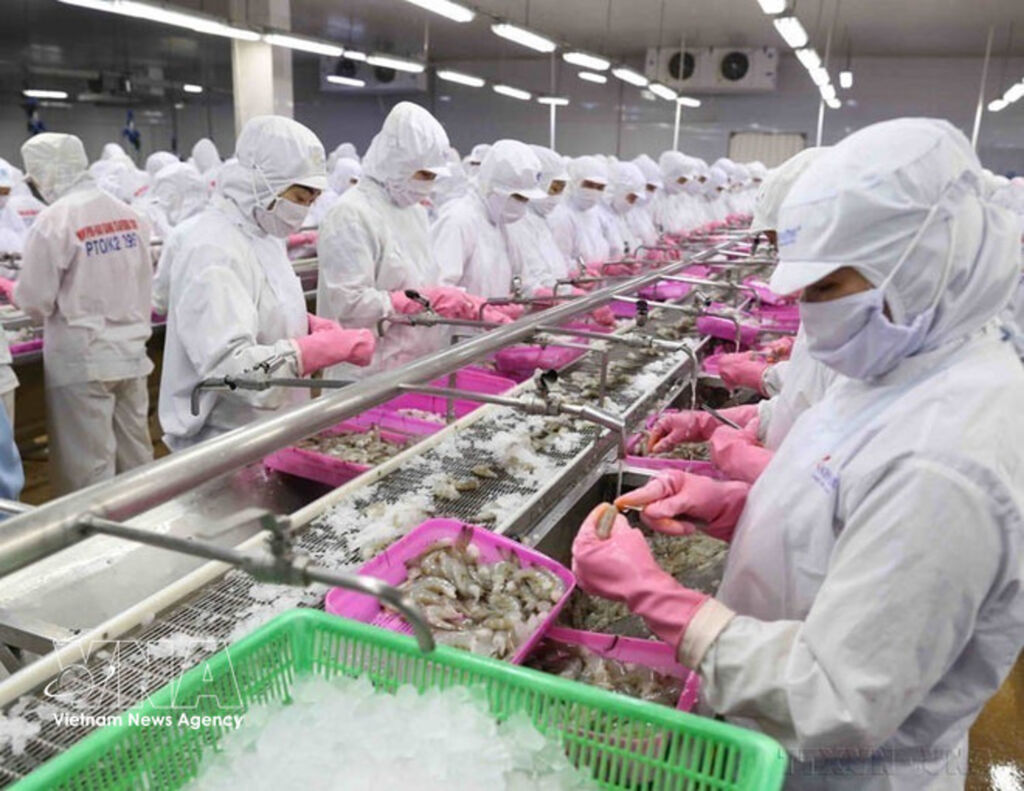 |
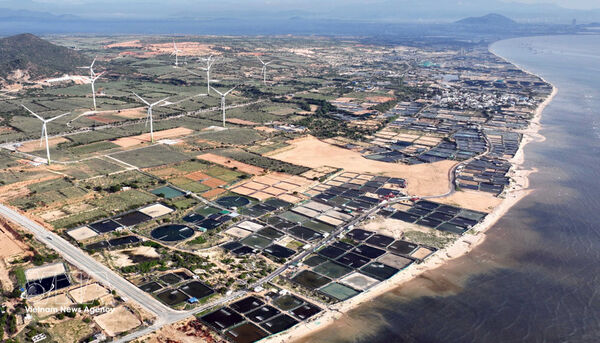
| Aquatic products is a key foreign currency earner of Vietnam (Photo: VNA) |
The Ministry of Agriculture and Environment will intensify efforts to combat IUU fishing to have the European Commission's “yellow card” warning lifed, and develop sustainable fisheries through infrastructure investment and digital transformation. It will promote market access and food safety recognition to expand exports of key agricultural products, while strengthening linkages, preservation, and deep processing to raise value.
The ministry will also advance geographical indications, product branding, traceability systems, and the application of science, innovation, and digital technologies, thereby supporting export growth and domestic production.
Chairpersons of the municipal and provincial People’s Committees were asked to closely monitor and promptly untangle obstacles facing individual enterprises and projects in accordance with regulations.
Local authorities must attract major multinational corporations to invest in production and export, particularly large-scale projects using modern technology and yielding highly competitive products capable of joining global value chains.
Those with agricultural exports passing through border gates were required to regularly update information from border provinces and deliver timely guidance to farmers, processors and exporters. This will enable proactive planning of production, packaging, delivery and shipment schedules to prevent congestion and other adverse impacts.
State-owned groups, corporations and exporting enterprises must adopt flexible and efficient production and trade plans, while promptly reporting difficulties and proposing remedies to competent authorities. They should invest in modern machinery and technology, and improve product quality to develop new, eco-friendly products that meet international certification standards.
They were encouraged to remain flexible in production and export, stimulate official export channels, brand building, and explore niche market to diversify destination markets.
Other specific tasks were also assigned to relevant ministries and the Government Office./.