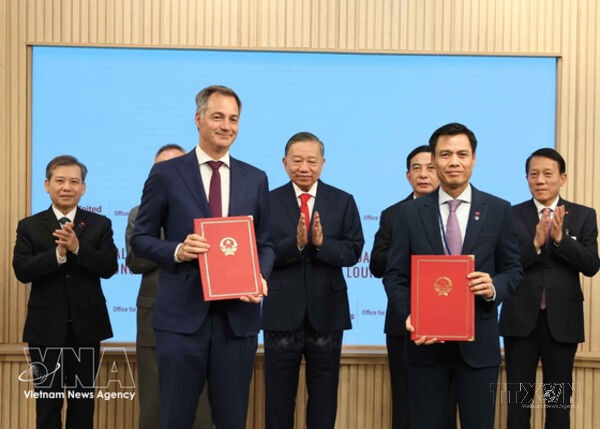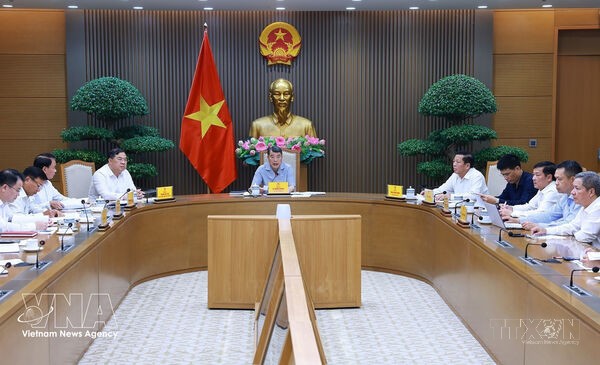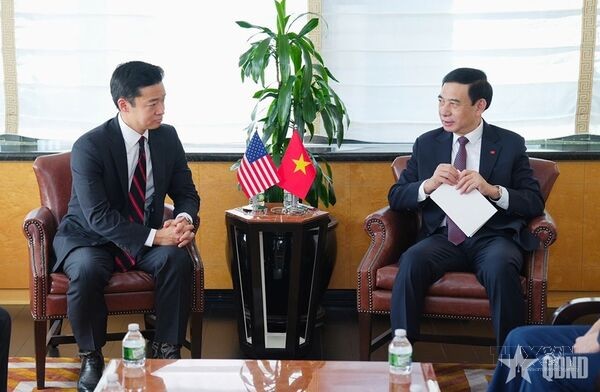
The Action Plan aims to translate commitments and orientations reached by high-ranking leaders into specific programmes and projects, particularly in priority areas.
Over the past eight decades, Vietnam has made remarkable socio-economic progress, with strong economic growth, rising incomes and major improvements in social welfare and quality of life.
Some historical moments remain deeply embedded in a nation’s memory. The Autumn of 1945 is one of them. On September 2, 1945, at Ba Dinh Square in Hanoi, President Ho Chi Minh, on behalf of the Provisional Government, read the Declaration of Independence, proclaiming to the Vietnamese people and the world the birth of the Democratic Republic of Vietnam.
In August 1945, under the leadership of the Party and President Ho Chi Minh, the Vietnamese people rose up in a General Uprising, seizing power nationwide and ushering in a new era for the country. The victory of the August Revolution, the first great triumph of the Vietnamese people under the Party’s leadership, demonstrated the Party’s wisdom and leadership in charting the right revolutionary path.
In the autumn of 1945, under the leadership of the Communist Party of Vietnam (CPV) and President Ho Chi Minh, the Vietnamese people made a historic turning point. The success of the August Revolution culminated when President Ho Chi Minh read the Declaration of Independence at historic Ba Dinh Square in Hanoi on September 2, 1945, giving birth to the Democratic Republic of Vietnam and opening an era of independence and freedom for the nation.
After 40 years of reform, Vietnam has undergone a remarkable transformation from an economy facing severe difficulties, food shortages and the impact of an embargo into a dynamic economy increasingly integrated into the global economy.
For the first time, a Vietnamese-language public speaking contest for Thai school and university students has been organised by Udon Thani Rajabhat University in cooperation with the Consulate General of Vietnam in Khon Kaen to mark the 81st anniversary of Vietnam’s National Day and the 50th anniversary of Vietnam-Thailand diplomatic relations.
Party General Secretary and State President To Lam has signed Conclusion No. 75-KL/TW of the third meeting of the 14th Party Central Committee. By 2045, Vietnam aims to ensure a clean and healthy living environment in harmony with nature, pursue sustainable development, establish a modern environmental governance system, and adapt effectively to climate change.
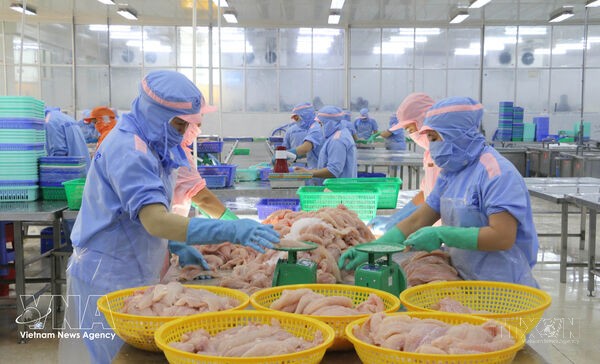
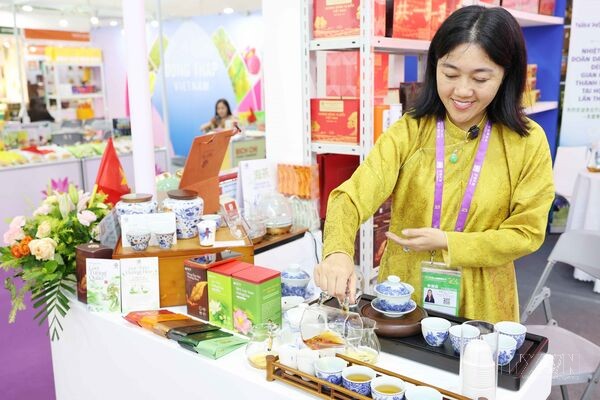
For many years, the campaign “Vietnamese people prioritise using Vietnamese goods” has played an important role in promoting domestic consumption and supporting local businesses. Today, alongside traditional trade fairs and distribution channels, digital platforms are creating new opportunities for Vietnamese products to increase their competitiveness.
Party General Secretary and State President To Lam has signed Conclusion No. 75-KL/TW of the third meeting of the 14th Party Central Committee, setting a 2030 target of strengthening environmental governance, climate change response and disaster prevention and control to better protect people’s lives, health, property and livelihoods.
General Secretary and State President To Lam has signed Conclusion No. 75-KL/TW of the third meeting of the 14th Party Central Committee, stressing that environmental protection and climate change response must be central to development decisions and serve as a foundation for green transition, stronger growth quality, productivity, competitiveness and sustainable economic development.
The aid comes in response to the significant loss of life and property caused by the earthquake that struck Colombia on August 10, 2026, and reflects the traditional friendship and solidarity, as well as the spirit of mutual support between the Vietnamese and Colombian peoples.
By 2030, Vietnam aims for 60% of businesses using AI to improve efficiency, all civil servants using AI in their work weekly, and 60% of administrative decisions supported by data and AI. The satisfaction rate for AI-supported public services is expected to rise by at least 30%.
Vietnam National Railway Corporation, in collaboration with the Quang Tri provincial People’s Committee and Hue city People’s Committee, has officially launched the tourist train linking heritage sites across central Vietnam.
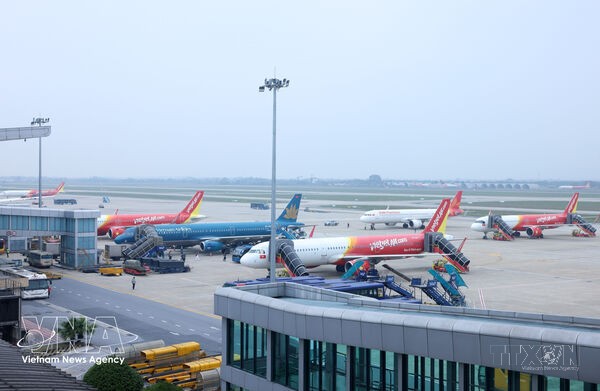
Construction of the Terminal T1 expansion project is scheduled to begin in August 2027. The expanded section is expected to be completed and put into operation in January 2029, while the renovation of the existing terminal is scheduled for completion in August 2029.
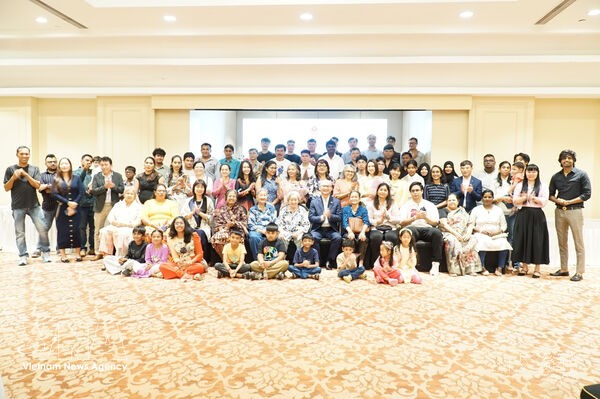
While the earlier resolution focused on encouraging OV resources, providing support and enhancing the great national solidarity, Resolution No. 23-NQ/TW places greater emphasis on accompanying OVs, creating favourable mechanisms and effectively mobilising resources from OV communities to assist with the homeland's development.
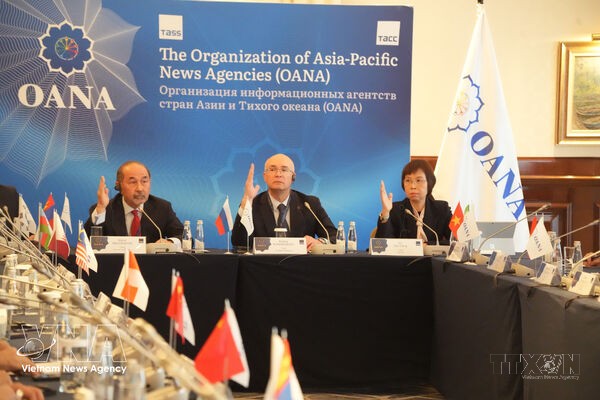
PM Le Minh Hung affirmed his commitment to working alongside other ASEAN leaders to deepen bilateral and regional cooperation in an increasingly substantive and effective manner.
Under Resolution No. 23, OV entrepreneurs can take on a bigger role by connecting businesses, promoting technology transfer, sharing management know-how, helping Vietnamese companies break into European markets, and linking French and Western European businesses and investors with Vietnam.
Under the revised Law on Vietnamese Guest Workers under Contract, priority is given to sending trained workers with professional and technical qualifications abroad so that they can improve their incomes, gain access to advanced technology and modern governance practices, and develop vocational skills, foreign languages, labour discipline and industrial working styles.