 |
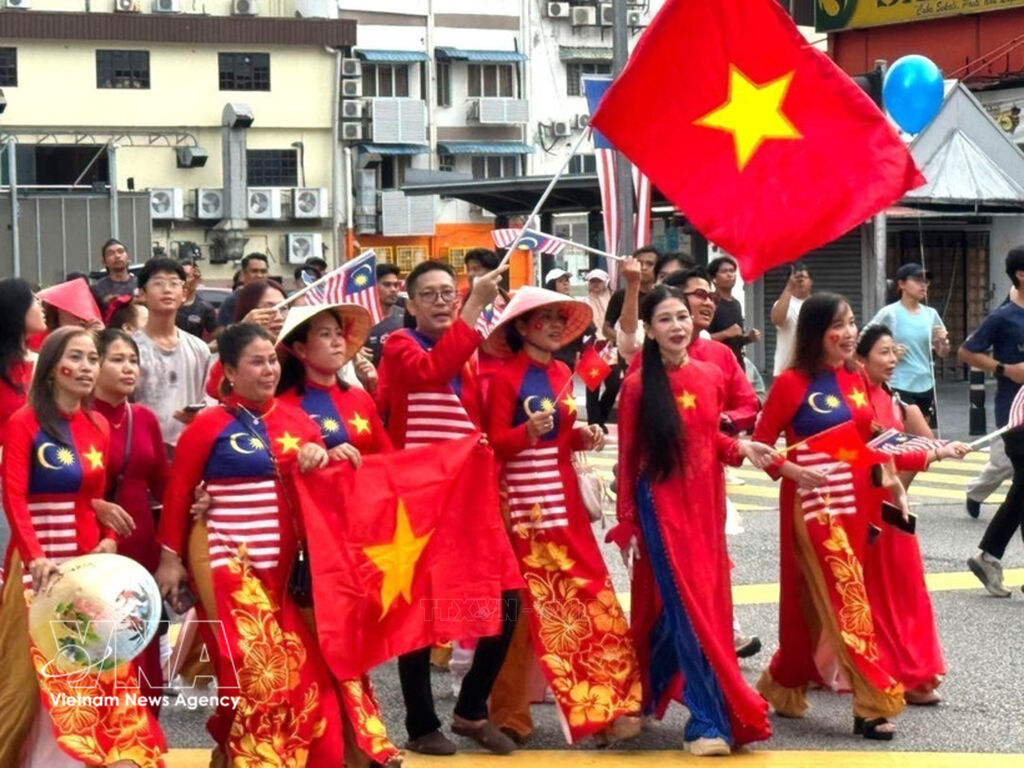
| Participants at the Malaysia–Vietnam friendship "ao dai" parade in Kuala Lumpur (Photo: VNA) |
Hanoi (VNA) – Amid Malaysia’s vibrant, multi-ethnic society, the Vietnamese community continues to preserve and promote its national culture, while turning its distinctive identity into a bridge for connection, a source of soft power and an economic asset, Nguyen Thi Thanh Van, Vice President of the Vietnam Business Association in Malaysia (VMBIZ), told VNA correspondents in Kuala Lumpur.
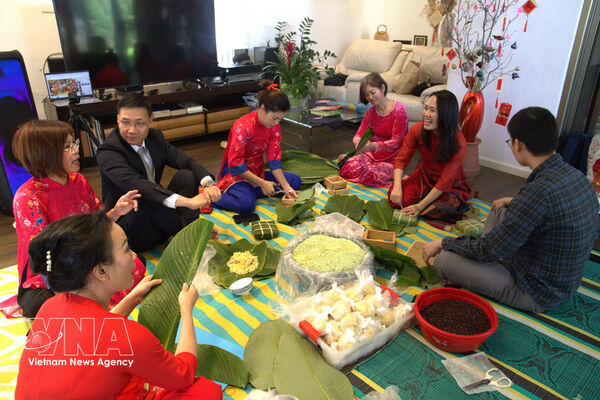
According to Van, the strongest bonds within the Vietnamese community in Malaysia stem from simple yet sacred values: family, roots and a shared sense of Vietnamese identity.
Van said with pride that elaborate introductions are sometimes unnecessary. A steaming bowl of “pho”, a “banh mi” or a plate of golden fried spring rolls can be enough for Malaysians and international visitors to appreciate the refinement, warmth and cultural depth of Vietnam.
As integration deepens, overseas Vietnamese promote their homeland not only through festivals and major events, but also through their everyday lives, which offer an authentic reflection of the country through food, lifestyles, behaviour and business culture. Van described overseas Vietnamese as Vietnam’s most vivid living cultural ambassadors abroad.
In Malaysia, the appearance of a Vietnamese “ao dai” (long dress) invariably attracts admiring glances and special affection from local people, while prompting greater interest in Vietnam. The traditional dress has transcended its role as a garment to become a vivid expression of the beauty, grace and identity of the Vietnamese people.
To strengthen the reach of this soft power and enhance the country’s standing, the VMBIZ vice president called for closer synergy between domestic and overseas resources. This could include establishing regular communication channels between overseas Vietnamese, Vietnamese representative offices and domestic businesses; valuing the community’s knowledge and market experience on an equal footing with its financial resources; and jointly developing Vietnamese-branded products capable of competing in global markets.
Drawing on her years of living and working in Malaysia, Van said one valuable lesson from the country is how to turn heritage into products that could sustain themselves commercially.
Vietnam, she noted, possesses a vast and rich cultural treasure trove, but needs to turn its traditional values into highly competitive products. These range from authentic Vietnamese cuisine that meets stringent Halal standards to tap the vast Muslim market, to ao dai, silk, ceramics and handicrafts enhanced by contemporary design, compelling stories and well-developed branding.
Calling for support mechanisms to enable overseas Vietnamese to cooperate more effectively, Van stressed that “overseas Vietnamese are not short of commitment, but they lack practical coordination mechanisms”.
She proposed four specific measures. These include recognising overseas Vietnamese associations such as VMBIZ as official partners in cultural and trade promotion; establishing transparent information channels on policies, Halal standards and import regulations, while promoting substantive business-to-business (B2B) programmes; introducing co-creation mechanisms that combine domestic production capacity with overseas Vietnamese’ understanding of international markets; and providing practical support with administrative procedures, brand protection and funding for cultural, culinary and “ao dai” projects.
With a clear framework in place, overseas Vietnamese will not merely promote their culture but become a pioneering force working alongside partners at home to develop products that embody Vietnamese identity, meet international standards and make tangible contributions to national development, she said./.