 |
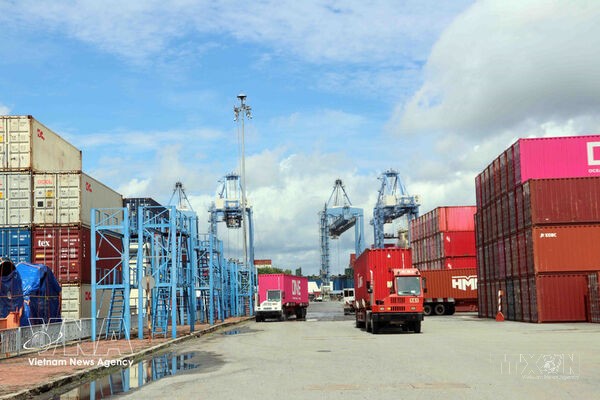
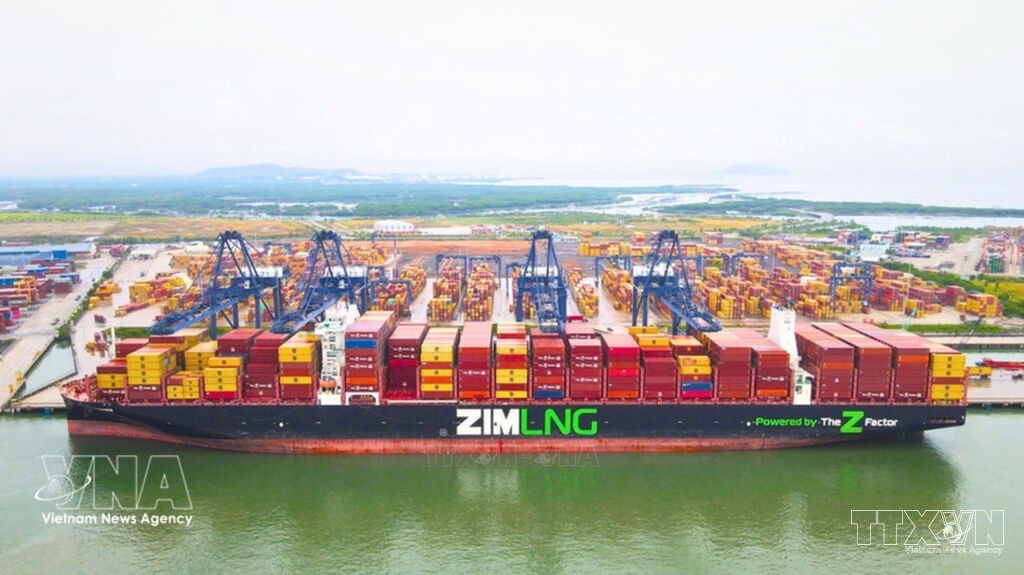
| An overview of Saigon-SSA Terminal in Tan Phuoc ward, Ho Chi Minh City (Photo: VNA) |
Ho Chi Minh City (VNA) – Ho Chi Minh City and southern localities are stepping up regional cooperation to build a more integrated and competitive economic space, with stronger links in infrastructure, logistics, trade, technology, and value chains.
The move follows the Politburo's Resolution No. 27-NQ/TW, issued on August 28, 2026, which calls for stronger connections among economic corridors, while making better use of new development spaces.
From coordination to co-creation
Cooperation between Ho Chi Minh City and localities in the Southeast and Mekong Delta has shifted from general exchanges to concrete projects in transport, trade, tourism, healthcare, science and technology.
In the Southeast, regional links have focused on major transport projects, including the Bien Hoa–Vung Tau Expressway and Ho Chi Minh City Ring Road 3, alongside major bridge projects.
Trade and tourism connectivity has also expanded, while technology-sharing platforms have helped link businesses, suppliers and experts across the region.
In the Mekong Delta, cooperation has focused on healthcare, trade, tourism, human resources, employment, science and technology. Ho Chi Minh City hospitals have supported local facilities through specialist training and technology transfers, while businesses and cooperatives have been connected with distribution networks and e-commerce platforms.
However, the city acknowledged that cooperation remains uneven, with limited spillover effects in some areas.
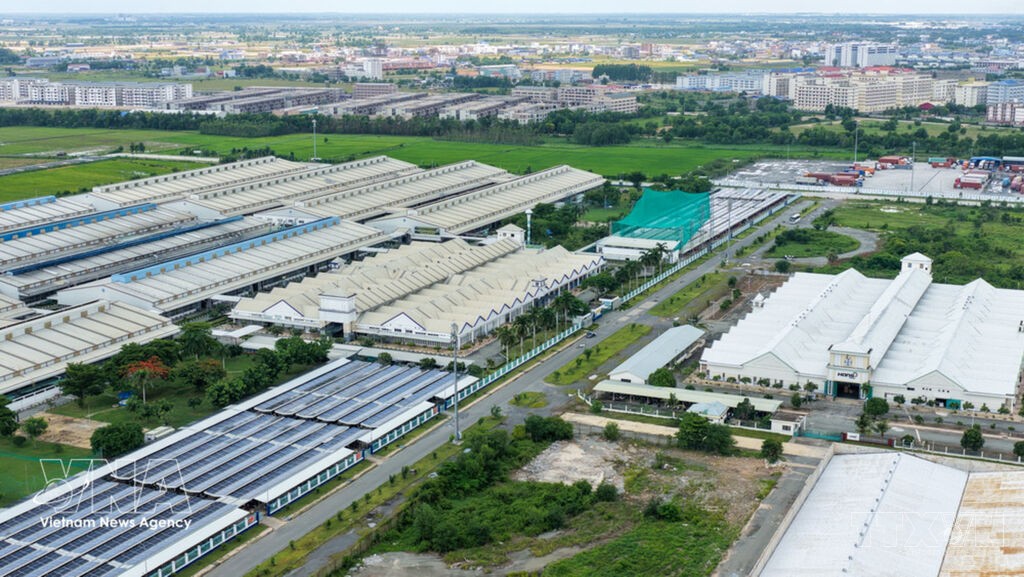 |
| TMTC Industrial Park in the Moc Bai Border Gate Economic Zone, Ben Cau commune, Tay Ninh province (Photo: VNA) |
Bui Minh Thanh, Vice Chairman of the Ho Chi Minh City People's Committee, said the region needs to move from “coordination” to “co-creation”, linking not only infrastructure but also economic corridors and value chains.
He said Ho Chi Minh City could leverage its strengths in finance, technology, innovation, services and international connectivity, while neighbouring localities could contribute their advantages in industry, agriculture, energy, logistics and tourism.
Truong Van Liep, Director of the Tay Ninh provincial Department of Finance, said southern localities should pursue project-based cooperation, coordinate development spatially and strengthen value-chain links in production, trade, logistics, technology and human resources.
Hoang Vu Thanh, Director of the Ho Chi Minh City Department of Finance, shared that the city and southern localities will focus on improving regional logistics; promoting coordinated economic, industrial, and urban growth; enhancing production and trade value chains along with attracting international investment; and boosting cooperation in science, technology, digital transformation, and developing high-quality human resources.
Economist Dr. Tran Du Lich said Ho Chi Minh City should not seek to gather all goods from the Mekong Delta, but instead help goods move directly from production centres to the most suitable ports.
He said the city's greater role should be as a regional hub for finance, technology, international trade, data and logistics, connecting local businesses with global markets.
Under this model, the Mekong Delta could serve as a centre for agricultural and seafood production and processing, the Southeast as an industrial and logistics hub, and Ho Chi Minh City as a centre for finance, technology, trade and international connectivity.
Such a structure would turn the southern localities from neighbouring economies into complementary parts of a single, integrated value chain./.