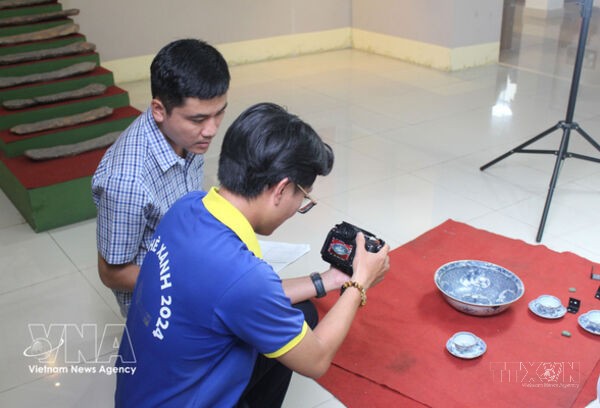
Beyond preservation, digitalisation is opening new opportunities for smart tourism, thereby expanding public access to heritage and enhancing research activities.
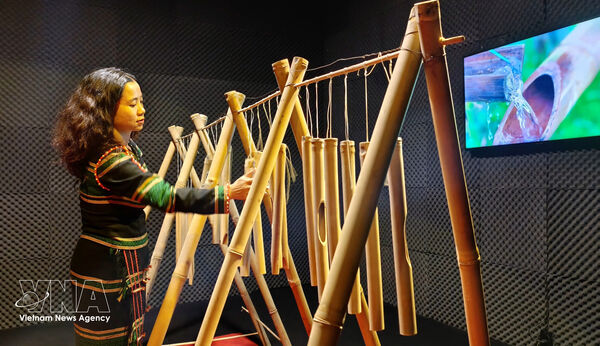
One of the exhibition's highlights is the "Our Sound" installation, where visitors become part of the artwork itself. As multiple participants interact simultaneously, sound and light merge into a shared composition, conveying messages of connection, sharing and collective responsibility for building sustainable communities in harmony with nature.
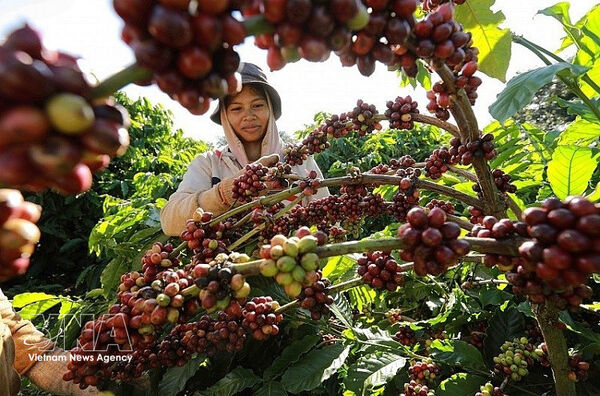
Lam Dong plans to strengthen branding and trade promotion efforts, develop coffee-growing regions linked to geographical indications, expand digital traceability systems and make greater use of free trade agreements (FTAs) to diversify export markets.
Tourism operators reported a sharp rise in visitor numbers, with arrivals to Ta Cu increasing by 150% year-on-year since early 2026. Notably, interest in the Noc Tru trekking tour has surged, reflecting growing demand for experiential and adventure-based tourism. Beyond the physical challenge, the journey offers an opportunity to immerse oneself in pristine nature and connect with spiritual heritage.
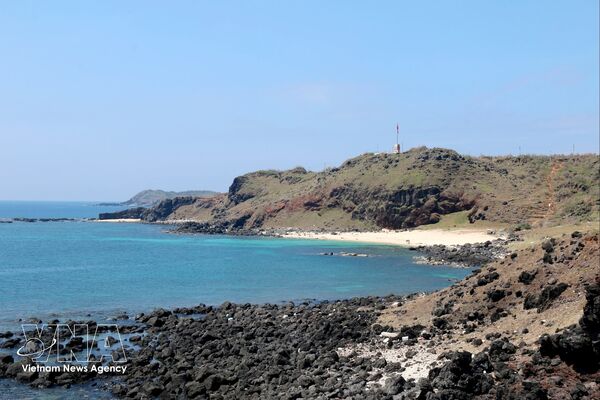
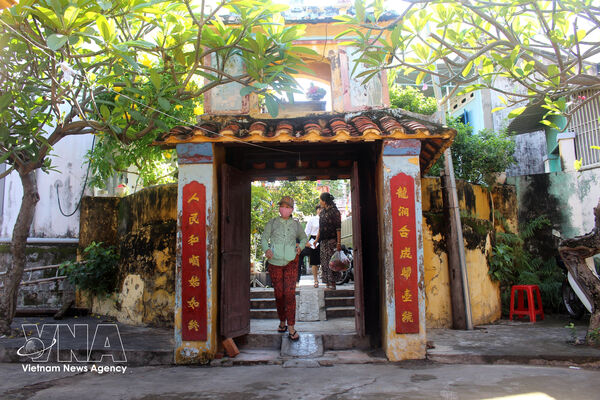
Stretching along the coastal belt of Lam Dong province, centuries-old communal houses and temples worshipping the “Ong” (Whale God) stand as quiet custodians of history, embodying the distinctive cultural and spiritual life of Vietnamese coastal communities, while increasingly emerging as compelling cultural tourism attractions.