 |
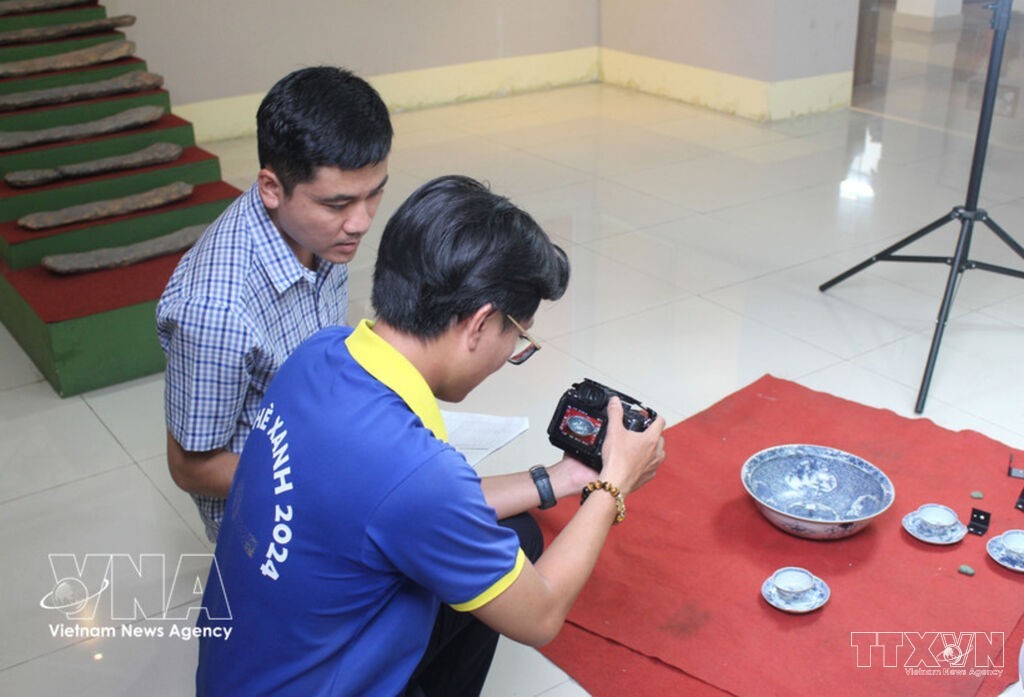
| The Lam Dong Museum’s Binh Thuan branch digitises more than 400 representative original artifacts, with the digitisation effort still ongoing. (Photo: VNA) |
Lam Dong (VNA) – Lam Dong province is stepping up efforts to digitise its cultural heritage through digital databases, 3D artefact scanning, virtual museums and online exhibition platforms, thus preserving valuable cultural assets while expanding public access and advancing smart tourism.
From June 15 - 18, the Lam Dong Museum joined forces with Phan Thiet University to carry out a provincial research project on the digitalisation of the province's tangible and intangible cultural heritage.
The initiative saw 200 representative artefacts digitally captured in 3D, alongside the creation of virtual reality exhibition spaces at three locations: the Lam Dong Museum's Binh Thuan branch, the Cham Cultural Exhibition Centre in Bac Binh commune, and the Cham Royal Heritage Collection in Hong Thai commune.
Giang Sy Chung, a lecturer at Phan Thiet University, said the team employed 360-degree virtual reality technology to recreate entire exhibition spaces. Laser scanning and multi-angle photography were combined to generate highly detailed 3D models, enabling users to examine artefacts from every perspective in a digital setting.
He noted that the process required particular care because many of the objects are centuries old, while others have undergone restoration and could be vulnerable during handling and scanning.
The Lam Dong Museum's Binh Thuan branch houses nearly 60,000 artefacts, including around 30,000 originals. As part of its digital transformation strategy, the museum has digitised two-dimensional image records, standardised data for a digital heritage database, introduced QR codes for exhibition areas and key artefacts, and created QR codes for 16 historical and scenic sites across the province.
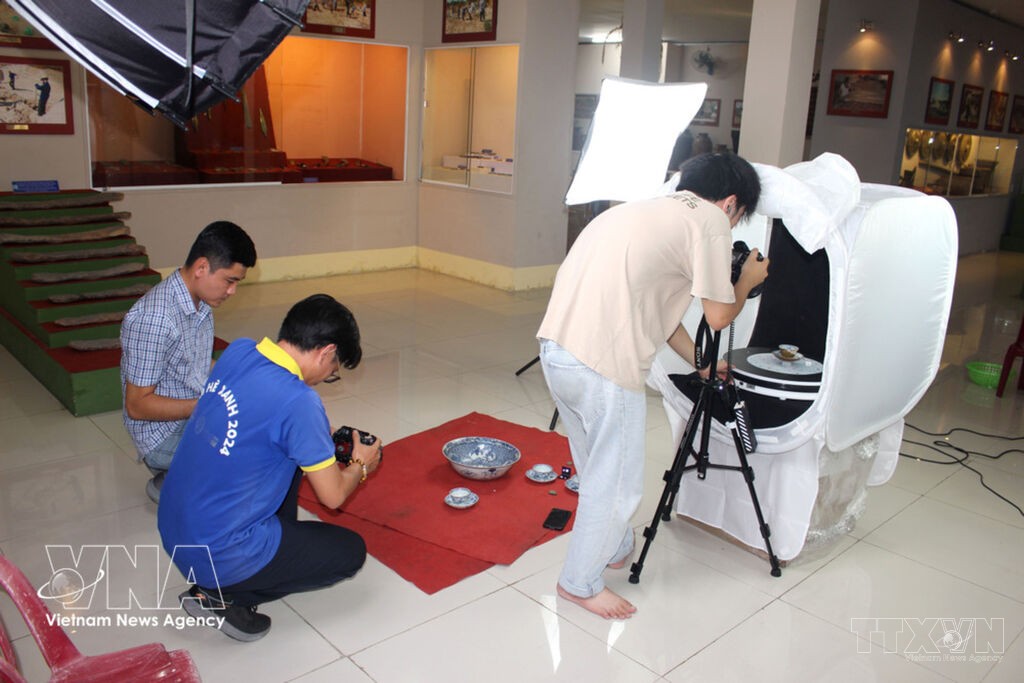 |
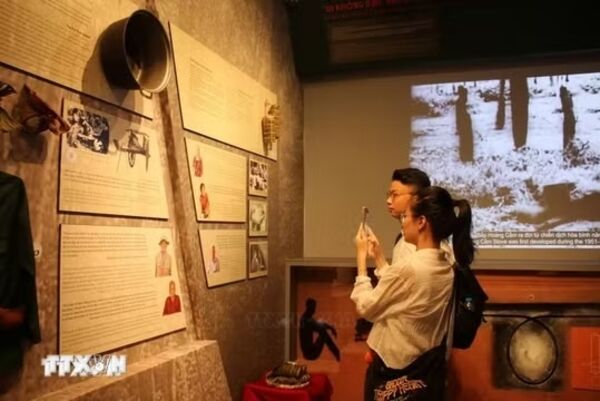
| Digitisation to establish a shared digital database that integrates archival resources, enhancing inventory, documentation and collection management. (Photo: VNA) |
Heritage information has also been integrated into the culture sector's digital heritage and museum management system.
Doan Van Thuan, Deputy Director of the Lam Dong Museum, said the institution has progressed beyond simple digitisation and is now developing a fully integrated digital museum with immersive online visitor experiences.
He said digital replicas help safeguard the scientific information associated with artefacts while reducing the risk of deterioration and loss over time. A shared digital database will also strengthen links between museums and heritage sites, supporting inventories, research, education and cultural heritage management.
The initiative has become increasingly important following the formation of new Lam Dong province through the merger of the former provinces of Lam Dong, Binh Thuan and Dak Nong. The enlarged province now oversees a much broader range of heritage assets, making modern, technology-driven management solutions essential.
Beyond preservation, digitalisation is opening new opportunities for smart tourism, thereby expanding public access to heritage and enhancing research activities.
More than 400 artefacts in eastern Lam Dong have already been digitised, while the Cham Cultural Exhibition Centre has completed 3D scanning of over 50 artefacts and continues to expand the project.
Visitors have responded positively to the new digital experiences, which complement conventional museum tours. Through the virtual museum platform at https://3d.baotanglamdong.com.vn, users can explore exhibition galleries, heritage sites and museum facilities online through an interactive interface.
Nong Hoang Yen Dan, an 11th grader from Phan Thiet ward, said the platform allows users to discover exhibitions and artefacts from anywhere with an internet connection. The experience is vivid and feels almost like visiting the museum in person, she said.
Looking ahead, the Lam Dong Museum will launch a 50-billion-VND (1.9-million-USD) project during 2026–2028 to digitise its entire collection while developing a comprehensive 3D visitor platform and a modern multimedia presentation hall.
By combining traditional exhibitions with digital technologies, the museum aims not only to preserve valuable artefacts for future generations but also to extend the reach of cultural heritage beyond physical museum walls, making it more accessible to audiences both in Vietnam and overseas./.