Tourism emerges as bright spot in Vietnam’s socio-economic landscape
With the governmetn's determination, coordinated efforts of sectors, dynamic local implementation and active engagement from businesses, Vietnam's tourism is poised to accelerate, make breakthroughs and grow sustainably, moving toward becoming a a key economic pillar and enhancing the country’s position on the global tourism map
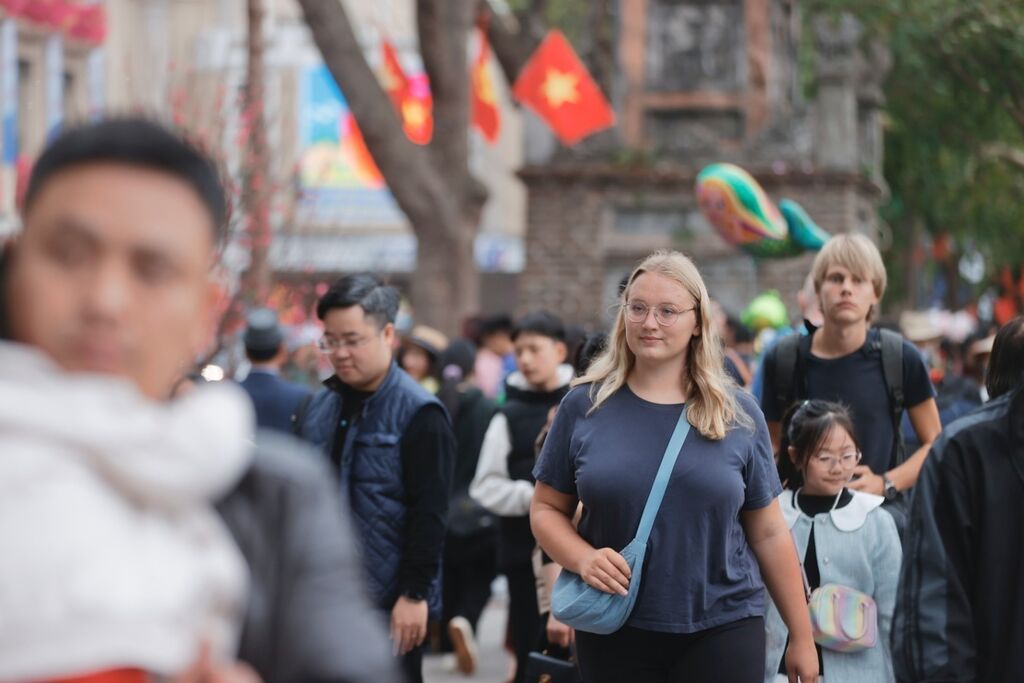
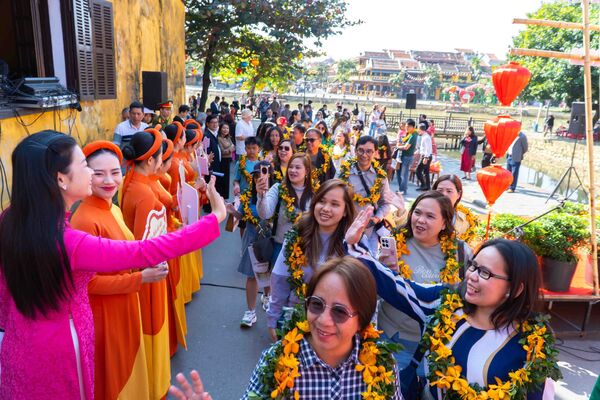
The number of foreign visitors to Hanoi in the first 11 months of 2025 rises by around 25% year-on-year (Photo: VNA)
Hanoi (VNA) – In 2025, tourism was highlighted by the Prime Minister as a bright spot in Vietnam’s socio-economic landscape. The sector has not only staged a strong post-pandemic recovery but has also set new records in international arrivals, revenue and global tourism awards.
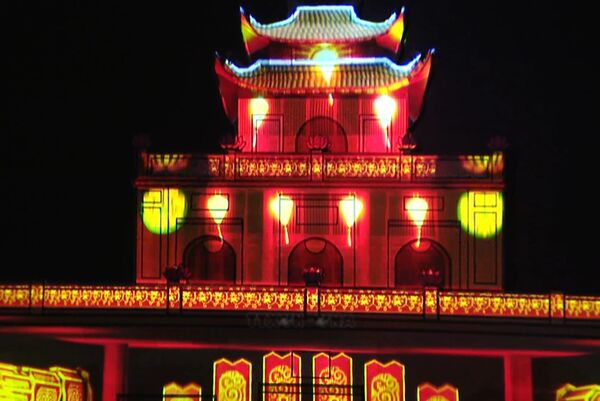
At the Thang Long Imperial Citadel in Hanoi, the performance “Echoes of the Ly Dynasty” has emerged as a major attraction by combining large-scale 3D mapping with a digital immersive experience space.
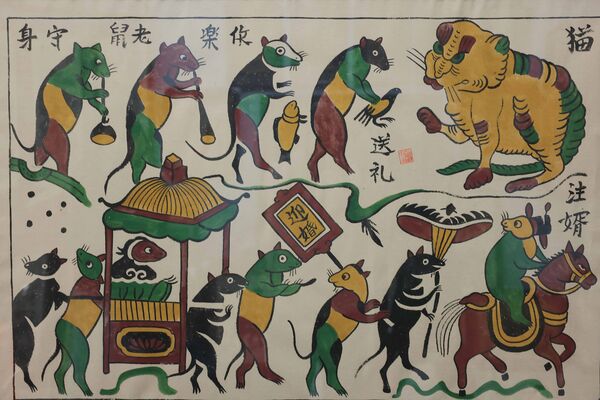
Vietnam currently has 17 intangible cultural heritage elements inscribed by UNESCO, contributing to enhancing the country’s image on the global tourism map.
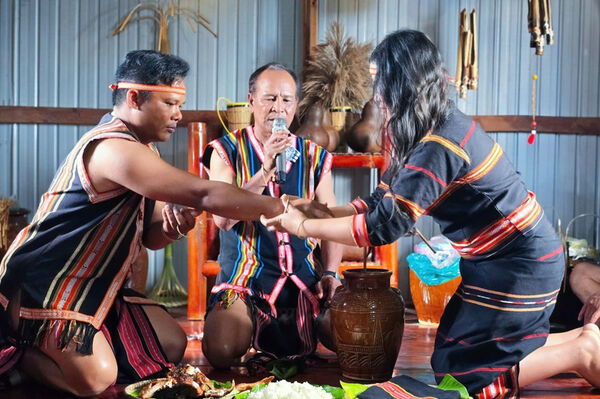
The traditional engagement ceremony (le an hoi) of the Jrai ethnic group was re-enacted in Op village, Gia Lai province, showcasing the distinctive marriage rituals of the Jrai people under their matrilineal system.
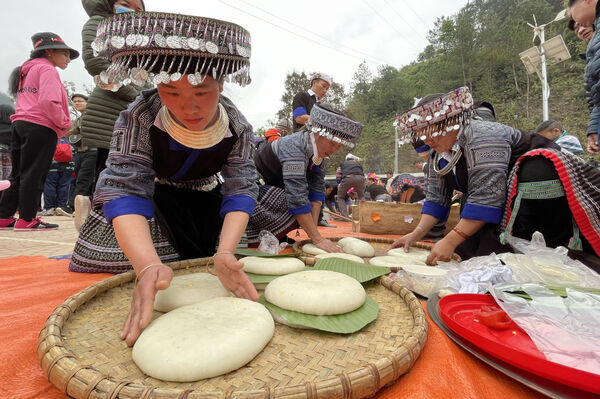
Drumbeats echoed across the highlands as the traditional glutinous rice cake pounding contest burst into life at the Mu Cang Chai commune stadium in the northern mountainous province of Lao Cai.
In 2025, Hanoi welcomed more than 33.7 million visitors, up 20.8% from 2024. International arrivals exceeded 7.82 million, a 22.7% year-on-year increase. Total tourism revenue was estimated at more than 134.46 trillion VND (about 5.1 billion USD), a 21.5% rise year on year.
According to the Vietnam National Authority of Tourism (VNAT), more than 2 million international visitors arrived in December alone, up 15.7% year on year, pushing total arrivals for the year to a new high.
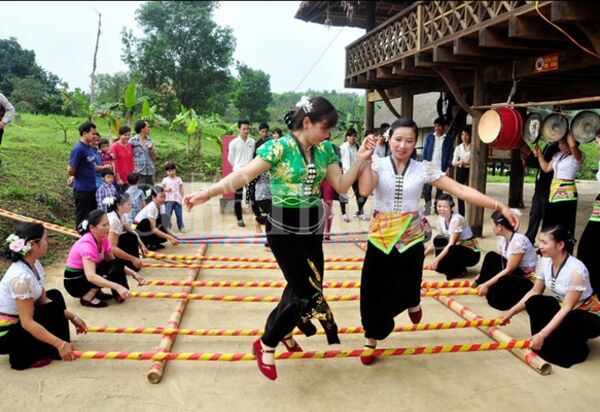
The activities aim to celebrate Vietnam’s diverse cultural identities, contribute to upholding traditional values, and foster exchange, solidarity, and mutual support among ethnic groups.
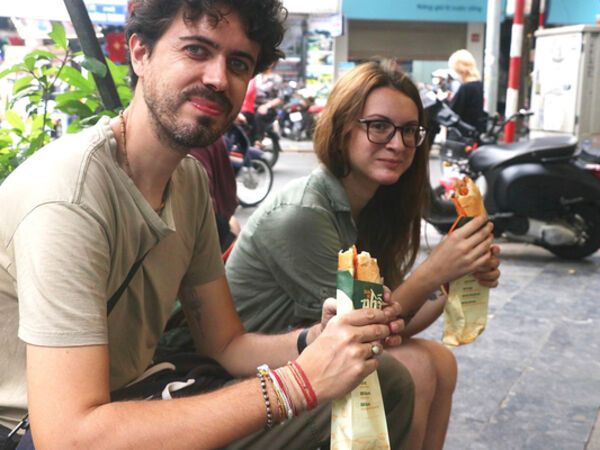
For many foreign diners, the charm of Hanoi’s street food lies in the seamless blend of tradition and modernity, where food is inseparable from the rhythm of daily life.
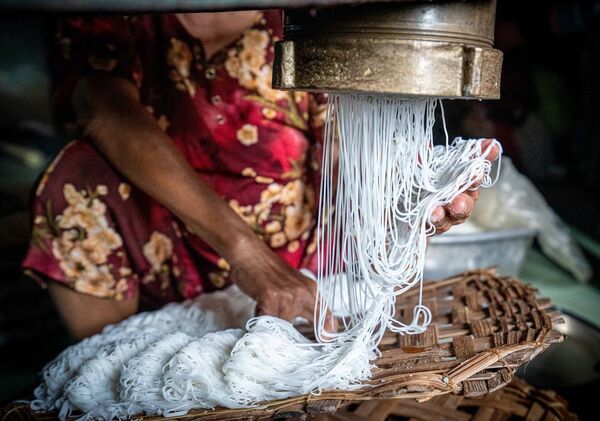
The banh hoi craft of Phu Long, in Ham Thang ward, Lam Dong province, is a long-standing rice-based handicraft known for its meticulous, fully manual process. Made from finely ground rice, banh hoi consists of delicate, thread-like strands woven into soft, airy mats. The dish itself is prized for its light texture and subtle sweetness, often served with herbs, pork or pork offal, and regional dipping sauces.