 |
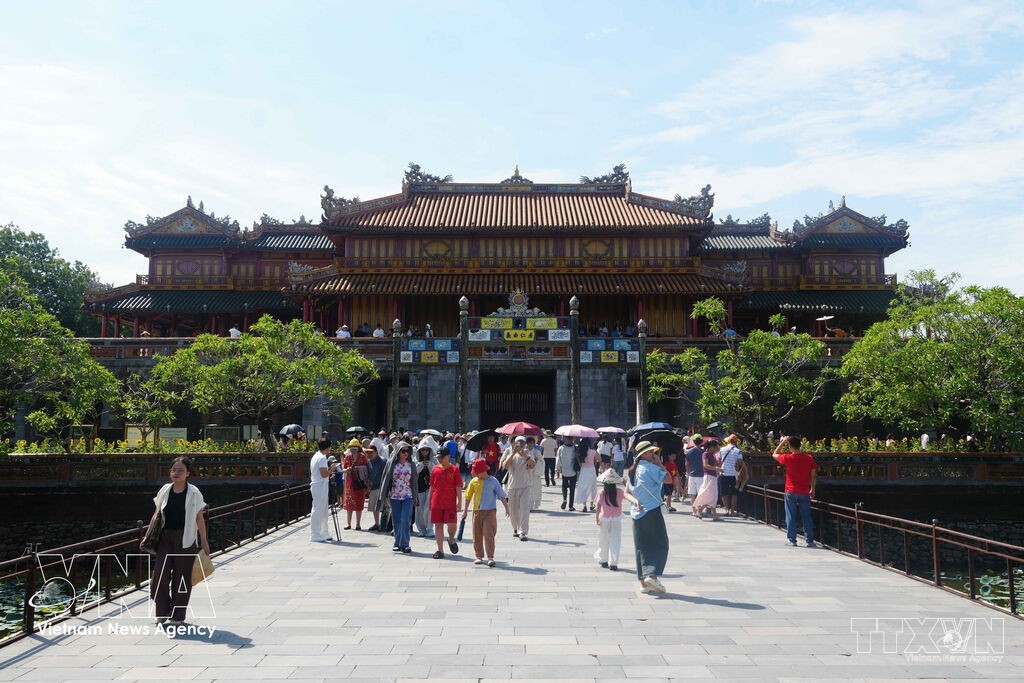
| Tourist arrivals in Hue surge 231% during the National Day holiday. (Photo: VNA) |
Hanoi (VNA) – Vietnam's tourism industry served an estimated 6.5 million tourists during the five-day National Day holiday from August 29 to September 2, up 18.1% year-on-year, according to the Vietnam National Authority of Tourism (VNAT).
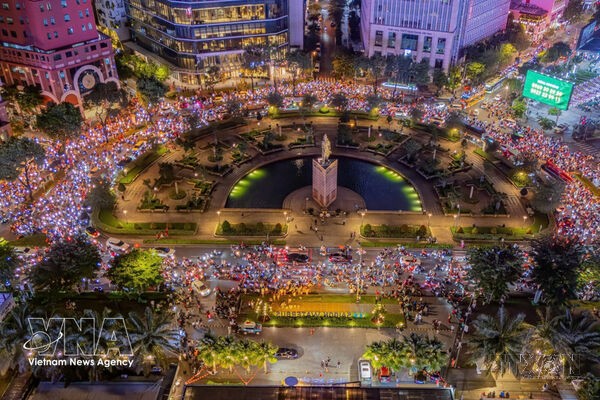
Major destinations recorded strong increases in tourist arrivals and revenue during the holiday. Ho Chi Minh City welcomed 1.71 million visitors, up 17.8%, generating about 4.9 trillion VND (186 million USD) in tourism revenue. Khanh Hoa received 1.25 million visitors and earned about 2.1 trillion VND, while Hanoi welcomed more than 904,000 visitors, with revenue exceeding 3 trillion VND.
Da Nang recorded 850,000 visitors, up 37%, and tourism revenue of about 3.32 trillion VND. Ninh Binh welcomed nearly 777,000 visitors, up 84.1%, generating more than 1.03 trillion VND. The provinces of Lam Dong, Quang Ninh, An Giang, Lao Cai and Thanh Hoa also posted strong year-on-year growth.
Short, nearby and inter-provincial trips remained popular, with visitors favoring relaxation, nature, cuisine and cultural experiences. Localities and tourism businesses also introduced new products and promotional programmes to attract visitors.
International tourism also recorded positive growth, supporting the outlook for the final months of 2026, particularly from October when many overseas markets enter their peak travel season.
Da Nang welcomed more than 224,000 international visitors, while Ninh Binh received nearly 110,000 tourists, up 35.4%. Khanh Hoa recorded about 96,000 overnight international visitors; Hanoi welcomed 94,000 holidaymakers, up 82.4%; Ho Chi Minh City 62,000, up 37.8%; Lao Cai 34,000; and An Giang nearly 27,000, up 68.7%.
Ahead of the holiday, tourism authorities and local administrations stepped up preparations to ensure security, traffic safety and service quality, while strengthening inspections of accommodation, transport and tourism services.
The five-day National Day holiday, the final peak period of Vietnam’s 2026 summer travel season, benefited from generally favourable weather and a wide range of cultural, entertainment and tourism activities across the country./.