Vietnam becomes RoK’s key export market in ASEAN
The RoK’s exports to Vietnam rose 7.6% in 2025 from a year earlier to 62.8 billion USD, while imports from Vietnam climbed 11.7% to 31.8 billion USD, according to data released by the RoK’s Ministry of Trade, Industry and Energy and the Korea International Trade Association (KITA).
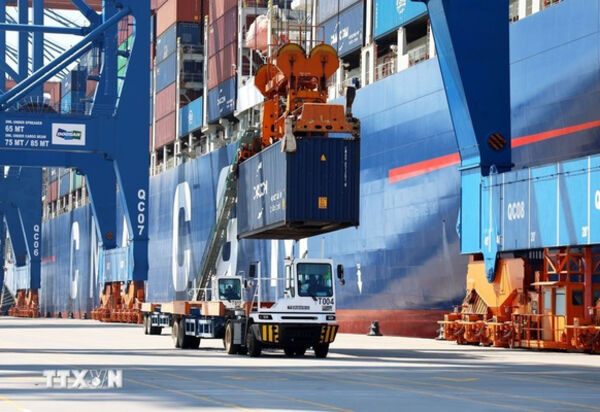
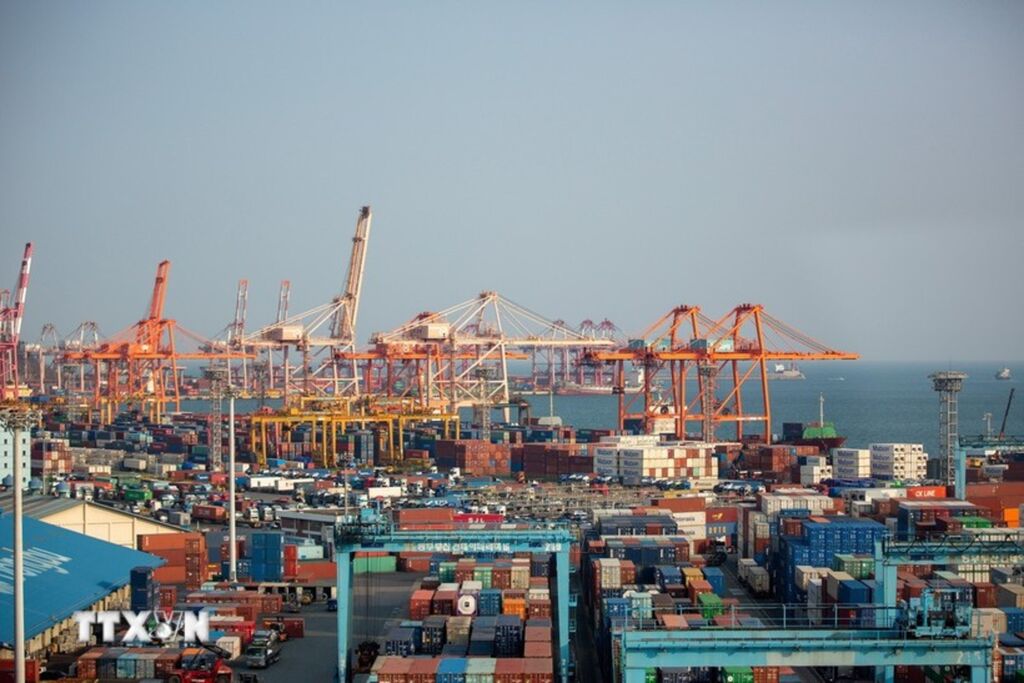
An aerial view of Busan Port in the Republic of Korea. (Photo: Xinhua/VNA)

Seoul (VNA) – Vietnam has emerged as the Republic of Korea’s (RoK) key export market in the Association of Southeast Asian Nations (ASEAN), as the East Asian country seeks to diversify trade and reduce its reliance on the US and China amid global volatility.

The RoK’s exports to Vietnam rose 7.6% in 2025 from a year earlier to 62.8 billion USD, while imports from Vietnam climbed 11.7% to 31.8 billion USD, according to data released by the RoK’s Ministry of Trade, Industry and Energy and the Korea International Trade Association (KITA).

That lifted two-way trade to 94.5 billion USD, up 9% from 86.8 billion USD. The total equals about 35% of the RoK’s trade with top partner China (272.7 billion USD) and 48% of that with the US (196.2 billion USD).

By export growth, Vietnam ranked second among the RoK’s markets at 7.6%, trailing only Taiwan (China), where demand surged for artificial intelligence chips.

The RoK posted a 31 billion USD trade surplus with Vietnam in 2025, up 1.1 billion USD from 29.9 billion USD a year earlier. The result made Vietnam the RoK’s second-largest source of trade surplus, after the US.

Vietnam topped the list in 2022 and has held second place for the past three years. The main driver has been a rebound in semiconductors. Fuelled by AI and global data-centre investment, chips — the RoK’s flagship export — hit a record 173.4 billion USD in revenue.

In Vietnam, semiconductors were also the largest export, with a turnover of 24.7 billion USD in 2025, a 36.7% jump from a year earlier.

Since the two countries established diplomatic ties in 1992, bilateral trade has surged 190-fold from 500 million USD, expanding from labour-intensive goods such as textiles to higher value-added products, including semiconductors and wireless communications equipment.

Trade has tripled since the Vietnam–RoK Free Trade Agreement took effect in 2014, lifting Vietnam from the RoK’s eighth-largest partner to third.

The trade structure is largely complementary. The RoK invests in Vietnam and exports intermediate goods to factories here, with Vietnam shipping finished products back. Samsung Electronics produces more than 50% of its global smartphone output in Vietnam and accounts for about 20% of the country’s total exports. The company has continued to expand its footprint, opening a large R&D centre in Hanoi in 2022. Exports of K-beauty and K-food products have also posted strong growth, supported by the global reach of the Korean Wave.

On the other side, the RoK plays a key role in Vietnam’s economy. Vietnamese customs data show that in the first 11 months of 2025, the RoK was Vietnam’s second-largest import market and fourth-largest export destination./.

Related News

RoK extends group visa fee waiver for Vietnamese tourists

The Republic of Korea’s Minister of Economy and Finance Koo Yun Cheol on December 31 announced that the country will extend the waiver of visa processing fees for group tourists from six countries, including Vietnam, for another six months.

See Also

Top legislator pays tribute to former party, state leaders

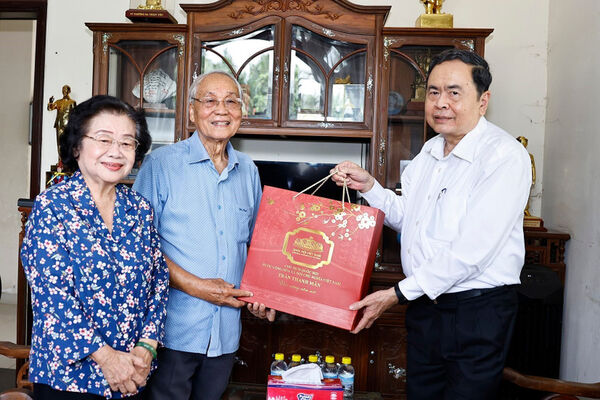
During a visit to former Vice President and former Vice Chairwoman of the NA Truong My Hoa, Chairman Man spoke highly of her thoughtful and constructive contributions to the Party, State and parliament. He also commended her active engagement in meaningful social welfare activities in her current roles as the head of the Vu A Dinh Scholarship Fund and the “For Beloved Hoang Sa–Truong Sa” club.

Vietnam's biometric surge powers digital banking overhaul

As the Party identified breakthroughs in science – technology and innovation as a key driver of national progress, the mastery and adoption of biometric technologies must go hand in hand with safeguarding public trust, data security, and citizens’ interests, all aligned with the people-first philosophy guiding the country's digital agenda.

Fitch Ratings upgrades Vietnam’s senior secured long-term debt rating to BBB-

The rating for Vietnam’s secured long-term debt was raised to BBB-, equivalent to investment grade, one notch higher than the country’s long-term foreign-currency rating on unsecured debt, which remains at BB+. The upgrade followed Fitch’s review under its revised Sovereign Rating Criteria issued in last September, said the Ministry of Finance.

Composition of the 14th Party Central Committee

The 14th National Party Congress on January 22 announced the list of 200 members elected to the 14th Party Central Committee. Of the 200 members, 180 are full members and 20 are alternate members; 113 were re-elected, while 87 were elected for the first time; 179 are men and 21 are women. The youngest full member is 46 years old, and the youngest alternate member is 38.

1986 Doi Moi (Renewal): Pivotal turning point in socialist construction

The sixth National Party Congress in December 1986 mapped out the Doi Moi (Renewal) policy and initiated the process of Party-led reforms in Vietnam. This marked a crucial turning point in socialist construction, unleashing national strength and potential to propel the country forward. During the 1986–1995 period, the Party led the reform, abolished the subsidy mechanism, and transitioned to a socialist-oriented market economy, overcoming socio-economic crises and laying a firm foundation for international integration.