 |
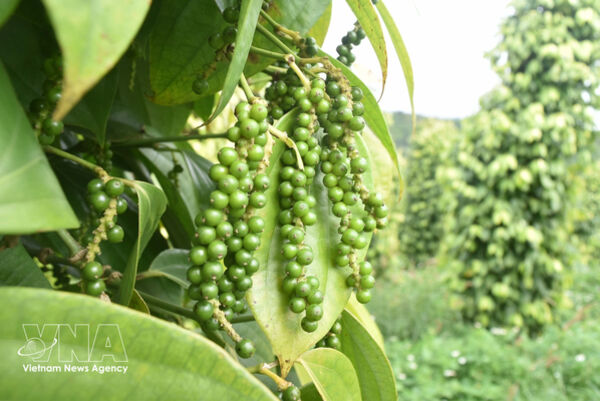
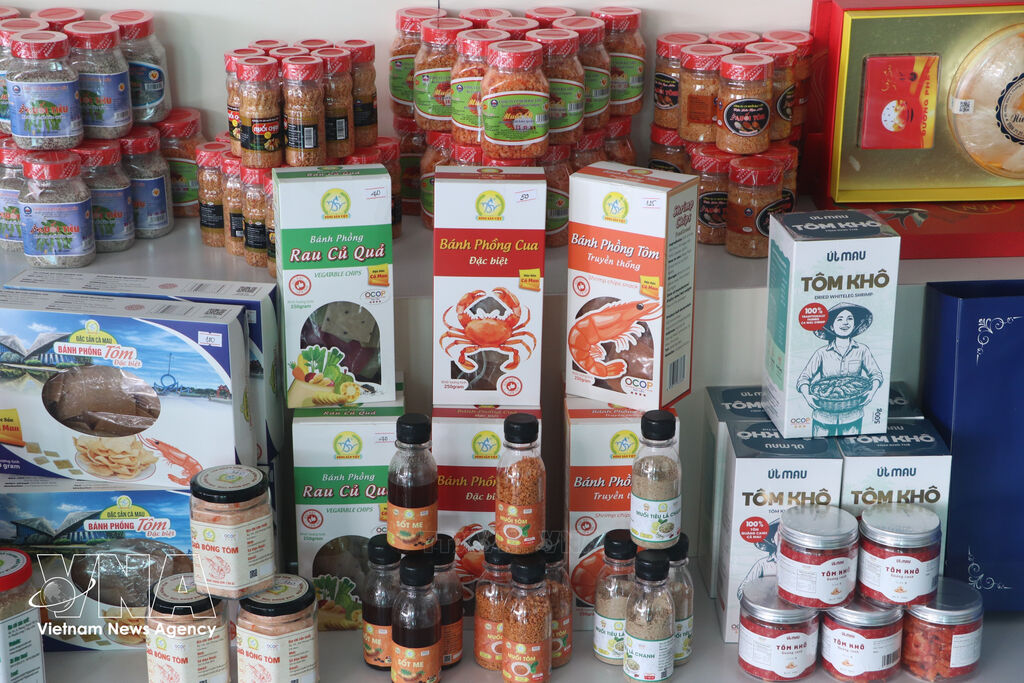
| Some OCOP products of the southern province of Ca Mau (Photo: VNA) |
Hanoi (VNA) – Vietnam is focusing on promoting the collective economy and the One Commune One Product (OCOP) programme during 2026–2030, with digital transformation, stronger value chains and improved policies expected to help local products participate more deeply in the digital economy and global value chains.
The new phase marks an important step in implementing the National Target Programmes on new-style rural development, sustainable poverty reduction, and socio-economic development in ethnic minority and mountainous areas for 2026–2035.
According to Deputy Chief of the National Coordination Office for the new-style rural development programme under the Ministry of Agriculture and Environment Phuong Dinh Anh, the programme will shift its focus from infrastructure construction to developing the rural economy, improving living standards and preserving traditional culture. It will also promote digital transformation, green transition, the circular economy and climate resilience.
By 2030, Vietnam aims to have around 65% of communes meeting new-style rural development standards. Rural incomes are expected to increase by 2.5-3 times from 2020, while the poverty rate will continue to fall by 1–1.5% each year. Cooperatives are expected to play a central role in achieving these goals by developing OCOP products through value chains.
Vietnam currently has about 17,400 OCOP products rated three stars or above. The figure is set to increase to around 25,000 by 2030, with greater emphasis on improving quality, adding value and enhancing competitiveness rather than simply expanding the number of products.
Digital transformation will be one of the programme's key priorities. Cooperatives will adopt digital technologies to improve governance, financial transparency, land and membership management, and access to credit. In production, digital databases, planting area codes and product traceability systems will help monitor quality from farms to consumers.
Beyond linking small producers, cooperatives are also expected to standardise production processes to meet domestic and international market requirements, creating a stronger foundation for sustainable OCOP development.
To support collective economy development, the Government plans to address four major bottlenecks, including capital access, human resources, markets, and science-technology.
New financial policies are expected to allow assets created with borrowed capital, such as factories, machinery and land-use rights, to be used as collateral. The Cooperative Development Support Fund will also be strengthened as a specialised financial institution.
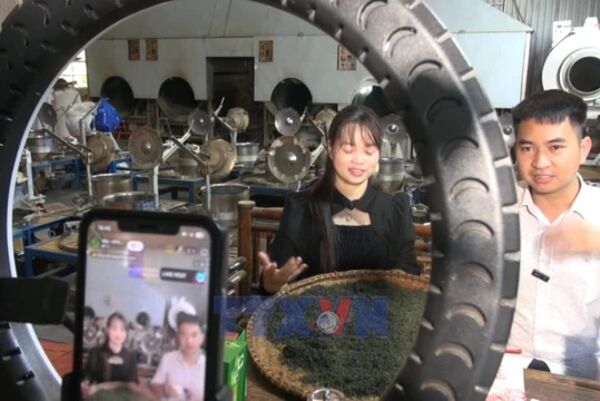
Cooperatives and OCOP producers will receive greater support to connect with modern retail chains and e-commerce platforms, while technology transfer from research institutes, universities and technology firms will be accelerated.
Assistance will also be provided for trademark registration, product preservation and modern packaging.
The Ministry of Agriculture and Environment also plans to develop specialised raw material areas, expand planting area codes, build a national digital database for OCOP products and strengthen product traceability.
Officials believed that closer links between the new-style rural development programme and the collective economy will create stronger value chains, helping OCOP products increase their competitiveness while contributing to a modern, efficient and internationally integrated agricultural sector./.