 |
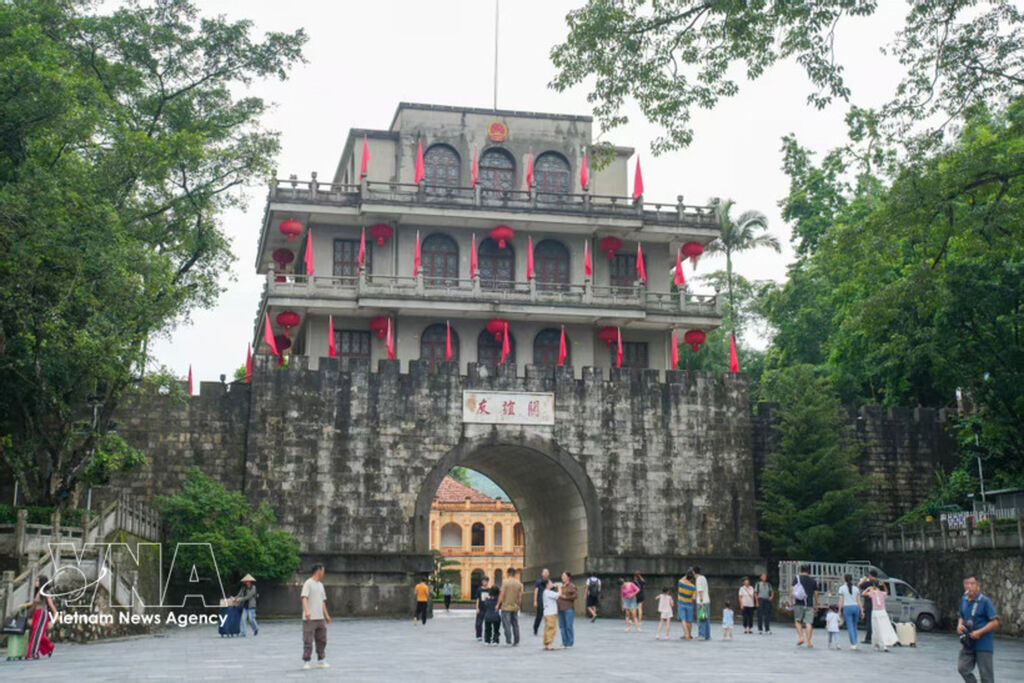
| The Huu Nghi Quan gate tower attracts large numbers of visitors from both China and Vietnam. (Photo: VNA) |
Hanoi (VNA) – A cultural and tourism promotion programme featuring China’s Guangxi province took place in Hanoi on May 14, aiming to foster tourism cooperation and people-to-people exchanges between Vietnam and China.
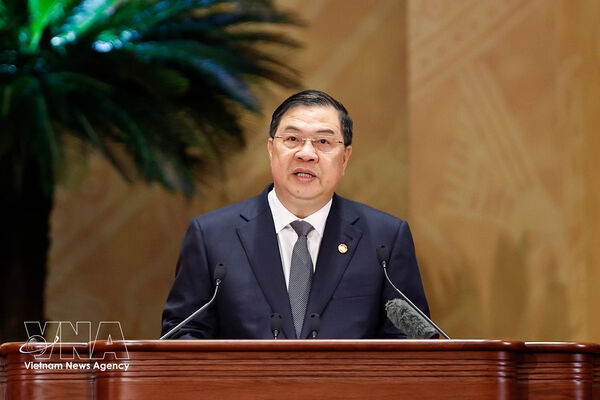
Speaking at the event, Zhang Deshan, Director of the Chinese Cultural Centre in Hanoi, said the programme introduced the unique cultural identity of the Zhuang ethnic group alongside tourism offerings linked to historical revolutionary sites and ecological tea destinations in Baise city of Guangxi.
It featured four themed areas covering tea culture exchanges, intangible cultural heritage experiences, cultural and tourism exhibitions, and Guangxi culinary showcases, offering visitors an immersive look into the culture, people and vitality of the Chinese locality.
Organisers said the programme was expected to further strengthen cultural and tourism ties between the two countries.
According to the Vietnam National Authority of Tourism, China has consistently remained Vietnam’s largest source for international visitors. In 2025, Vietnam welcomed more than 5.28 million visitors from mainland China, accounting for one-quarter of total international arrivals. In the first four months of 2026, it received more than 1.85 million Chinese visitors out of a total of 8.8 million international arrivals.
In Hanoi alone, more than 601,600 Chinese tourists visited the capital in 2025, up 33.6% from the previous year and representing around 11% of total international arrivals. During the January–April period this year, over 272,500 Chinese visitors chose Hanoi as their destination, a year-on-year increase of 59%.
Nguyen Tran Quang, Deputy Director of the Hanoi Department of Tourism, said the figures reflect substantial potential for tourism cooperation and visitor exchange between Hanoi and Chinese localities while reaffirming Hanoi’s growing appeal among Chinese travellers.
He said Hanoi hopes to strengthen collaboration with Chinese partners in developing distinctive tourism products, expanding two-way tourism flows and creating more opportunities for people of both countries to explore each other’s culture, history and traditions.
Tourism experts noted that Vietnam’s affordable travel costs, attractive tourism services, scenic beaches, rich cultural heritage and diverse cuisine continue to make the country a popular destination for Chinese visitors. Meanwhile, Chinese destinations near border gates with flexible travel costs and diverse attractions are increasingly drawing Vietnamese tourists.
They added that recent visa policy adjustments by both countries have created more favourable conditions for tourism growth, cultural exchanges and people-to-people connectivity.
Nguyen Tien Dat, Vice Chairman of the Hanoi Tourism Association, said thanks to its proximity to China, Vietnam holds a geographical advantage over regional competitors such as Singapore, Malaysia and Thailand. In addition to air and sea routes, travellers can also move between the two countries via land border crossings, making travel more convenient and cost-effective.
Pham Anh Vu, Deputy General Director of Viet Tourism, said Chinese tourists coming Vietnam tend to favour coastal destinations and high-end resort areas such as Da Nang, Nha Trang and Phu Quoc, while cultural and historical tours in Hanoi and Hue are also attracting an increasing number of Chinese visitors./.