 |
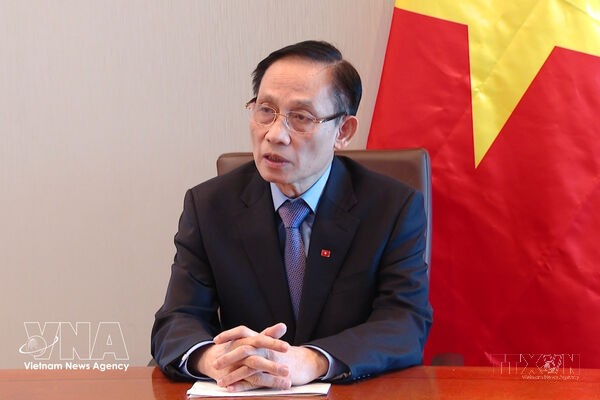
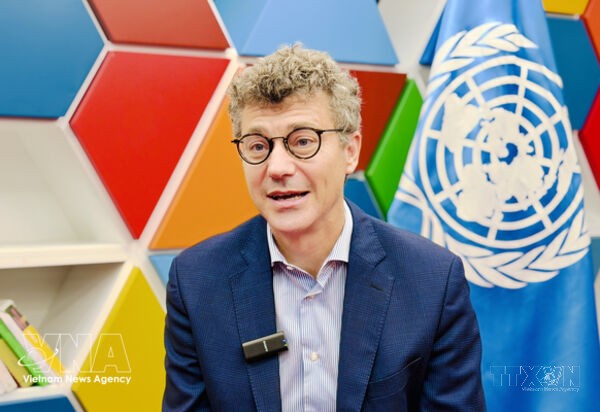
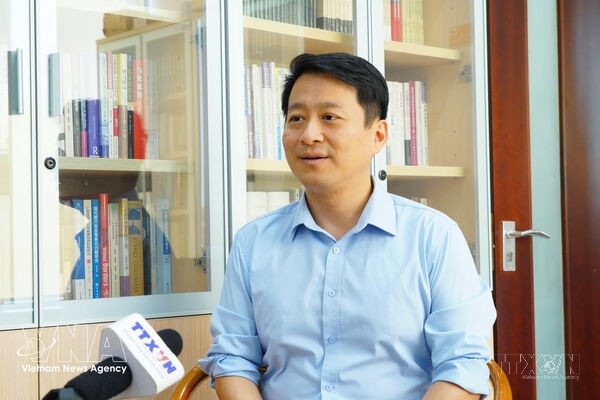
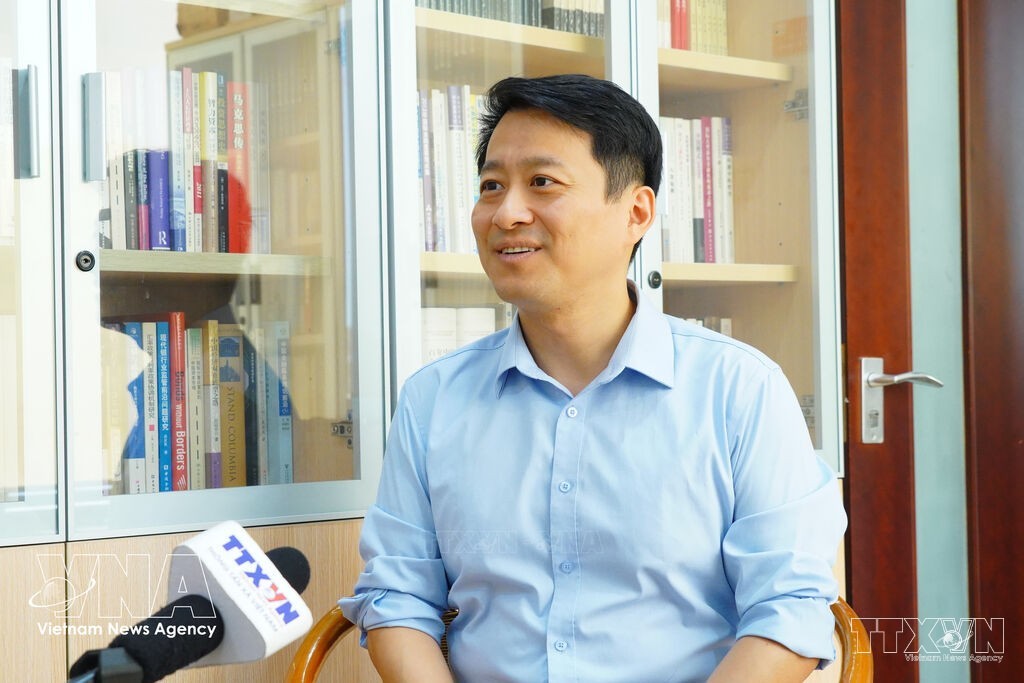
| Professor Qu Qiang of Minzu University of China speaks to a Vietnam News Agency correspondent in Beijing. (Photo: VNA) |
Beijing (VNA) – Vietnam’s message at the high-level general debate of the 81st session of the United Nations General Assembly reflects the increasingly proactive role of a developing country in the Global South in addressing international issues, according to Professor Qu Qiang of Minzu University of China and commentator for China Global Television Network (CGTN).
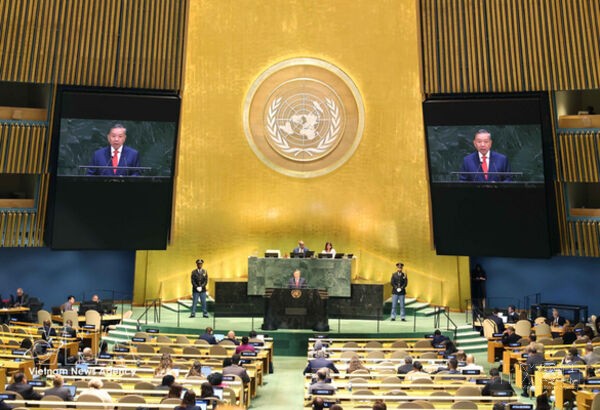
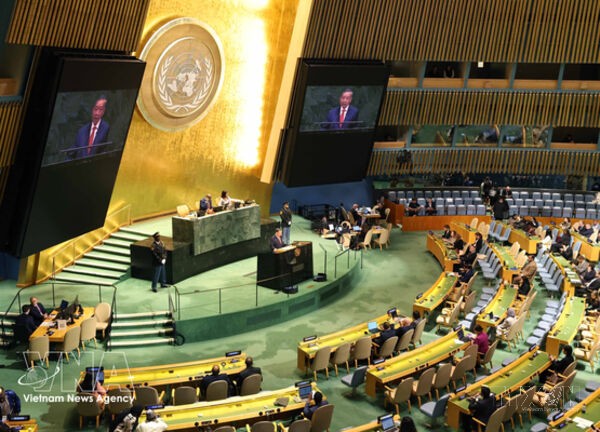
Speaking to a Vietnam News Agency (VNA) correspondent in Beijing, Qu said the speech by General Secretary of the Communist Party of Vietnam (CPV) Central Committee and President To Lam came as the international order faces major changes, growing competition among major powers, and challenges related to the economy, technology, climate change and global governance.
He highlighted Vietnam’s emphasis on restoring trust, promoting equitable development, governing technologies and strengthening multilateralism.
According to the expert, General Secretary and President Lam’s call for competition not to turn into confrontation and for technological progress not to create new divides shows Vietnam’s direct interest in emerging issues of global governance. It also reflects concerns shared by many developing countries, including the need for more equal participation in the formulation and implementation of international rules.
Qu said Vietnam’s role in multilateral forums is also evolving. The participation of the Party and State leader in the UN General Assembly demonstrates the importance Vietnam attaches to multilateral diplomacy, he noted.
Vietnam is gradually moving from mainly participating in international mechanisms to proactively putting forward initiatives and contributing to agenda-setting, he said, citing Vietnam’s hosting of the signing ceremony for the UN Convention against Cybercrime and preparations to host APEC 2027.
Assessing Vietnam’s foreign policy approach, Qu said the speech demonstrated a combination of principle and flexibility. Vietnam stressed the peaceful settlement of disputes in accordance with international law, including the 1982 UN Convention on the Law of the Sea (UNCLOS), while expressing its positions on issues concerning Palestine and Cuba.
He said this approach underscores Vietnam’s commitment to sovereignty, international law and peaceful settlement of disputes, while maintaining an independent and non-confrontational stance. In his view, this is consistent with Vietnam’s growing international integration and could offer a reference for other ASEAN countries seeking to maintain strategic space and promote cooperation.
Qu also noted that Vietnam has linked its long-term development goals to innovation, productivity growth, digital transformation and new development models. This helps the international community better understand the country’s development orientation while reflecting its desire to attract resources, technology and investment and participate more deeply in global value chains.
Regarding Vietnam’s message to the Global South, Qu said issues such as development gaps, access to technology, development financing, climate change and reform of multilateral institutions are shared concerns among developing countries.
He said Vietnam’s emphasis on multilateralism, dialogue, equal cooperation and leaving no one behind shows its effort to connect national development goals with broader concerns of the Global South.
Looking ahead, Qu said Vietnam’s continued participation in ASEAN, APEC, the UN and other multilateral mechanisms would provide further opportunities for the country to contribute to regional and global issues. He noted, however, that efforts to restore trust, promote development and strengthen multilateral cooperation face challenges including major-power competition, geopolitical conflicts, global market fragmentation, financing needs for the energy transition and issues arising from the rapid development of artificial intelligence.
The speech, Qu concluded, reflects Vietnam’s desire to maintain a stable international environment, promote dialogue over confrontation and strengthen developing countries’ participation in shaping global rules and governance mechanisms./.