 |
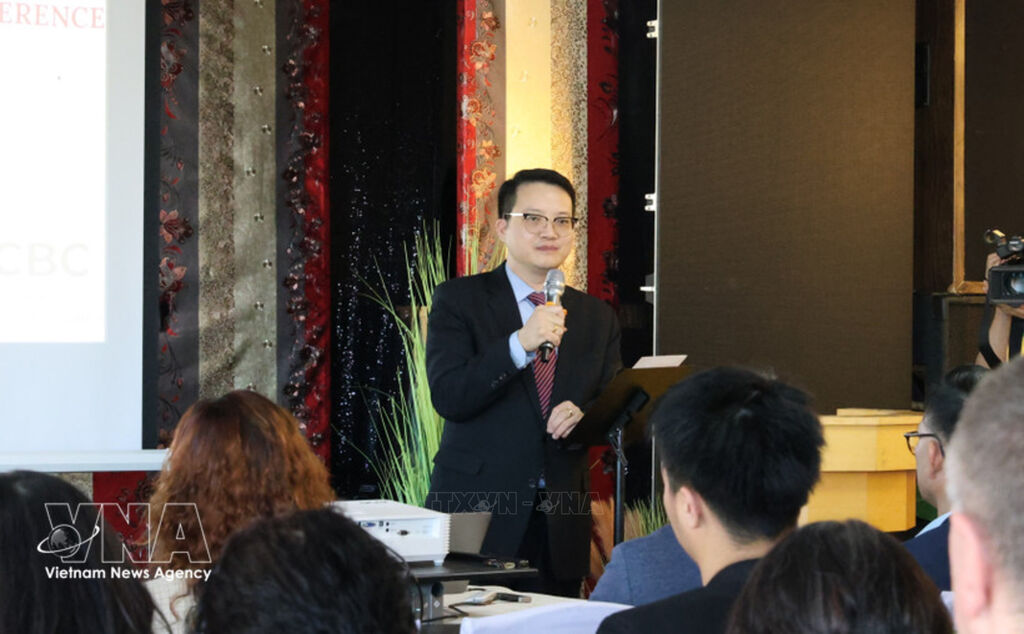
| Dang Hoang Linh, Minister-Counsellor of the Vietnamese Embassy in Germany, speaks at the event. (Photo: VNA) |
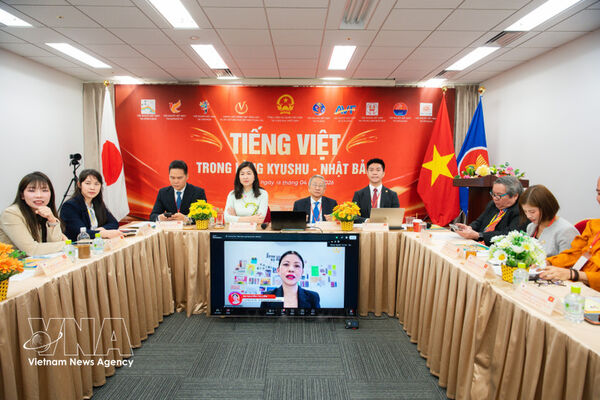
Berlin (VNA) – A workshop was held in Berlin on April 22 with a view to better connecting Germany’s strong demand for labour with Vietnam’s young and abundant workforce.
The event, jointly organised by the Vietnam – Germany Education & Career Association (VGECA) under the Vietnam – Germany Friendship Association and the Union of Germany – Vietnam Economic and Cultural Associations, gathered economic promotion organisations, businesses, consulting agencies for overseas learning, and training institutions from both countries
Discussions were conducted in an open manner, focusing on issues ranging from training in Vietnam to working conditions in Germany. Promoting two-way dialogue helped clarify both advantages and barriers in vocational training in Vietnam. On that basis, German enterprises proposed specific recommendations to help Vietnam better prepare its training foundation and select candidates in line with actual demand, thereby enhancing the reputation of Vietnamese human resources in the German market.
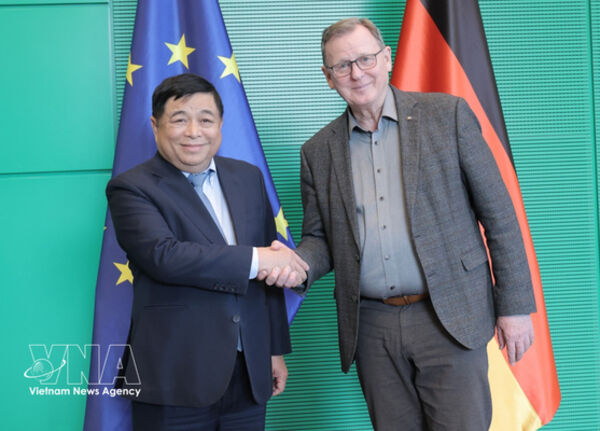
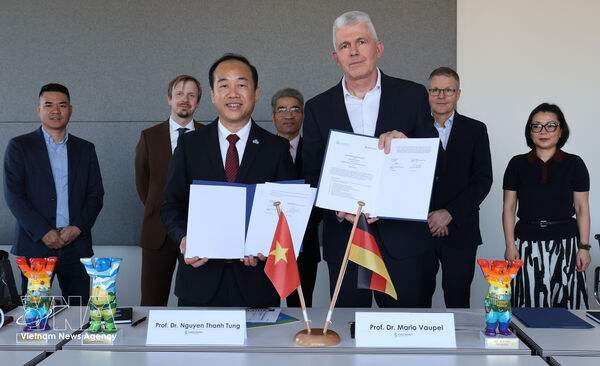
Addressing the workshop, Dang Hoang Linh, Minister-Counsellor of the Vietnamese Embassy in Germany, spoke highly of its significance, noting that the two countries signed a memorandum of understanding (MoU) on labour cooperation during German President Frank-Walter Steinmeier’s visit to Vietnam in early 2024. This, he said, underscored the importance of creating favourable conditions for Vietnamese workers to fully realise their potential in Germany.
German businesses noted that for Vietnamese workers to successfully access the German market, they must first acquire a solid understanding of the country’s vocational training system. In reality, however, many trainees remain unclear about their chosen fields or specific jobs in Germany, leading to difficulties in establishing appropriate learning pathways. Meanwhile, German employers have clear requirements for each position, with specific skill demands. Without proper orientation from the outset, workers may struggle to keep pace with training and job requirements later on.
Among current challenges, language remains the biggest barrier. Talking to the Vietnam News Agency, VGECA Chairman Nguyen Tuan Nam said many workers, despite holding German language certificates, still face difficulties in real-life communication, affecting their ability to absorb knowledge and integrate. Meanwhile, German employers expect workers to make long-term commitments rather than work for only a few years and later return home.
Sharing this view, Thomas Schlegtendal, Sales Director of Transcura GmbH, said many trainees arrive in Germany with a B1 level of German while B2 is required to keep up with vocational training programmes. In addition, limited understanding of the tax and insurance systems has led some to misunderstand their actual income.
Kevin Fest, head of international relations at the BLA Education Group JSC, said language proficiency and adaptability are the two biggest obstacles for Vietnamese trainees and workers. He suggested that acquiring vocational theoretical knowledge in advance in Vietnam will help learners feel more confident when entering a new environment.
Another factor highlighted was the role of consulting agencies. Inadequate or overly optimistic information can lead to unrealistic expectations among workers before they arrive in Germany. Therefore, providing accurate and practical information is essential to ensure proper preparation.
Around 6,000 Vietnamese students and trainees went to Germany for study and vocational training over the past year, a figure expected to continue rising, statistics showed. To ensure sustainability, both countries need to implement coordinated policies to protect workers’ rights and enhance market transparency./.