Vietnamese Canadian youth hub launched to fight mother tongue erosion
The Viet Youth Readiness Hub is seen as a dedicated platform to connect, support, and empower Vietnamese-Canadian youth. It aims to emerge as a central force to host social events, advance heritage education, foster exchange and integration among young Vietnamese in Canada.
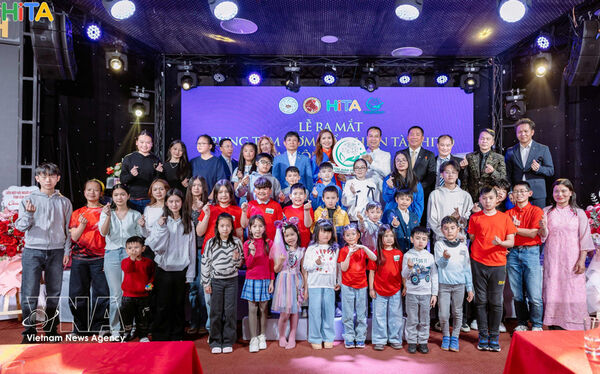
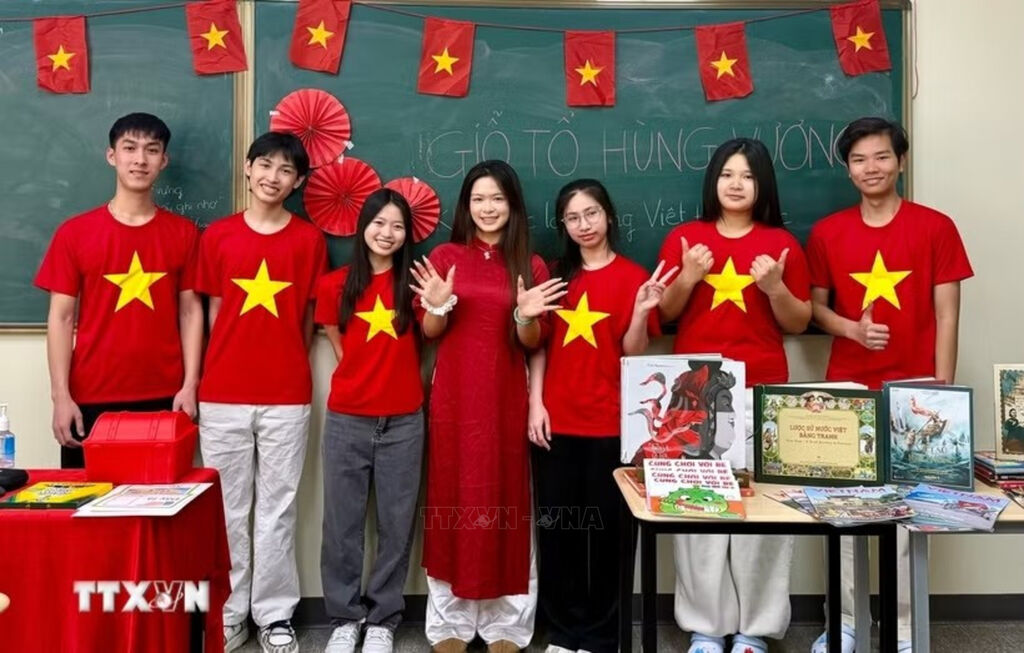
Viet Youth Readiness Hub debuts at the event (Photo: VNA)

Toronto (VNA) – The Canada-Vietnam Cultural and Educational Council (CVCEC) has launched the Viet Youth Readiness Hub, inaugurated a community Vietnamese language class for children, and introduced a Vietnamese book collection in Canada.

The series of activities not only honoured ancestral roots but also created a space for preserving the Vietnamese language, nurturing cultural identity, and bridging generations of Vietnamese in a multicultural environment.

CVCEC founder Phan Thi Quynh Trang said the Vietnamese population in Toronto, and across Canada more broadly, has been growing considerably. However, as second- and third-generation children integrate deeper into Canadian society, many now use Vietnamese almost exclusively within the family, with few opportunities to practice the mother tongue in daily life. Without appropriate classes, community spaces, and cultural activities, the risk of language erosion and cultural disconnection is becoming sharply evident.

Against this backdrop, CVCEC established the Viet Youth Readiness Hub as a dedicated platform to connect, support, and empower Vietnamese-Canadian youth. It aims to emerge as a central force to host social events, advance heritage education, foster exchange and integration among young Vietnamese in Canada. Debut activities include a new community Vietnamese class for children aged 4–6 and the rollout of a Vietnamese-language bookshelf.

With themes tied to the Hung Kings’ Commemoration Day, the first lessons were designed to be simple, engaging, and age-appropriate, allowing children to approach the language naturally and with enjoyment.

Initial feedback from participating parents has been positive. Trinh Thi Hang, a senior parent, said running Hung Kings’ Commemoration Day activities for children born in Canada is especially meaningful. Through familiar cultural symbols such as banh chung (square glutinous rice cake), banh day (round glutinous rice cake), festivals, and stories of national origins, children can better understand Vietnam’s major traditions and develop a deeper sense of connection to their homeland./.
Related News

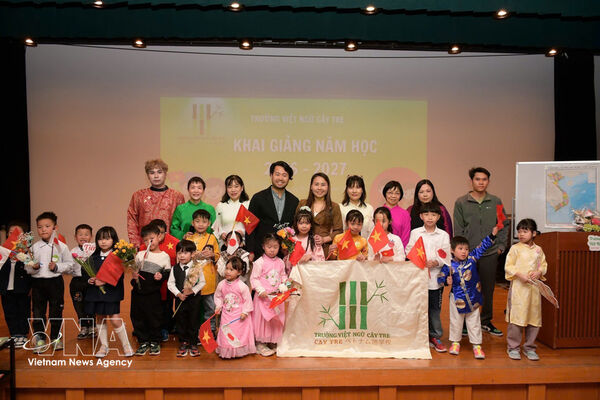
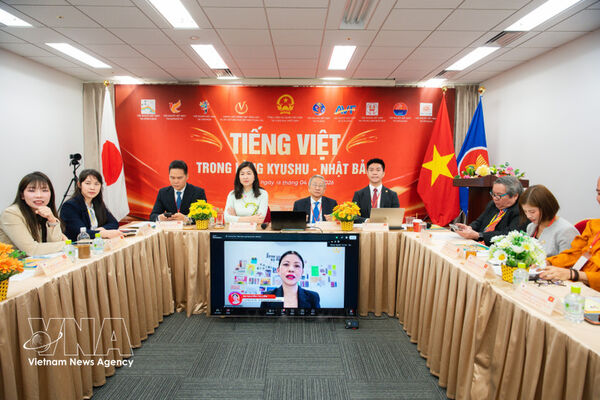
Vietnamese in Japan revive mother tongue among young generations

While the number of Vietnamese-origin children in Japan is surging, opportunities to actually speak Vietnamese in daily life are vanishing fast. Many children can understand the language but default to Japanese in response, gradually relegating their mother tongue to a secondary role, sometimes even treating it as a “second foreign language” inside their own houses.

See Also

About 10,000 students expected at National Startup Day 2026

This year marks the rollout of the “Student Startup Support Programme for 2026 – 2035”, approved under Decision No. 336/QD-TTg, which places emphasis on practical outcomes, real products, real testing, real partnerships, and measurable impact.

Talent incubation centre debuts in Czech Republic to empower Vietnamese youth

Many overseas Vietnamese families, despite prioritising education and living standards, may face gaps in parent-child connection due to language and cultural differences. Therefore, the Talent Incubation Centre (HITA) in the Czech Republic seeks to foster deeper understanding within families, helping young people build confidence and character from within.

Vietnam finish third at Kickboxing World Cup 2026

According to Vu Duc Thinh, President of the Vietnam Kickboxing Federation, the strong results reflected careful preparation by local training centres and the determination of Vietnamese fighters. The team’s participation, funded largely through socialised and local resources, also demonstrated growing support for the development of kickboxing in Vietnam.

Young artists bring new vitality to traditional theatre

‘Hat boi’ (classical drama), once widely popular in Vietnam, particularly in the South from the 19th to 20th century, is now facing challenges in remaining relevant to modern life. In response, young artists are joining forces to bring the traditional art form closer to younger audiences through social media platforms.