 |
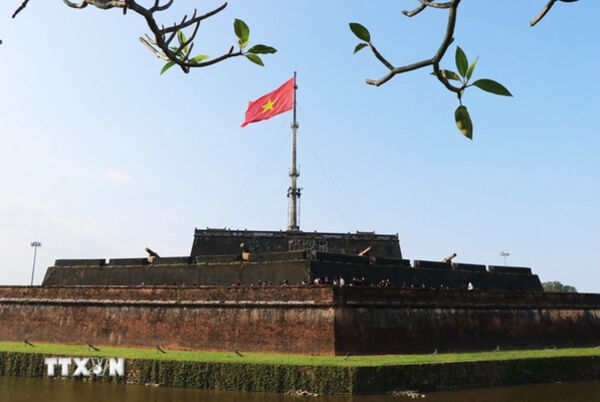
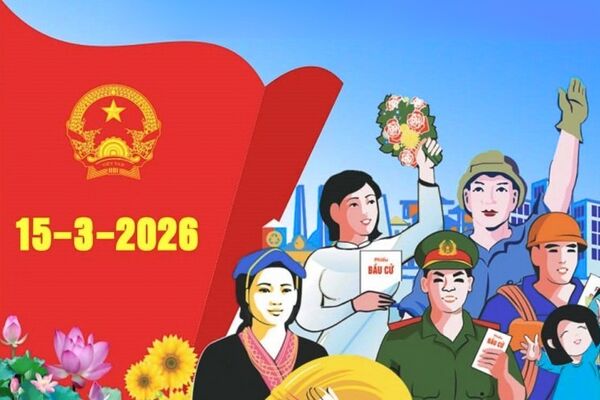
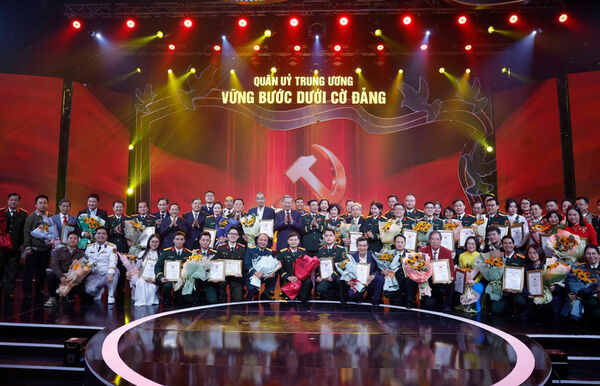
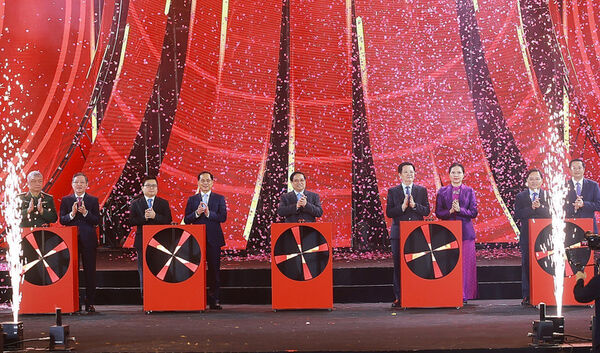
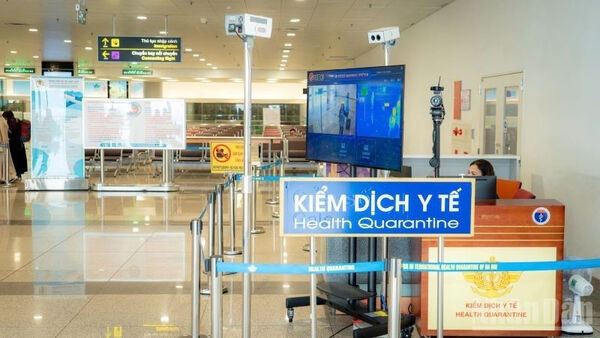
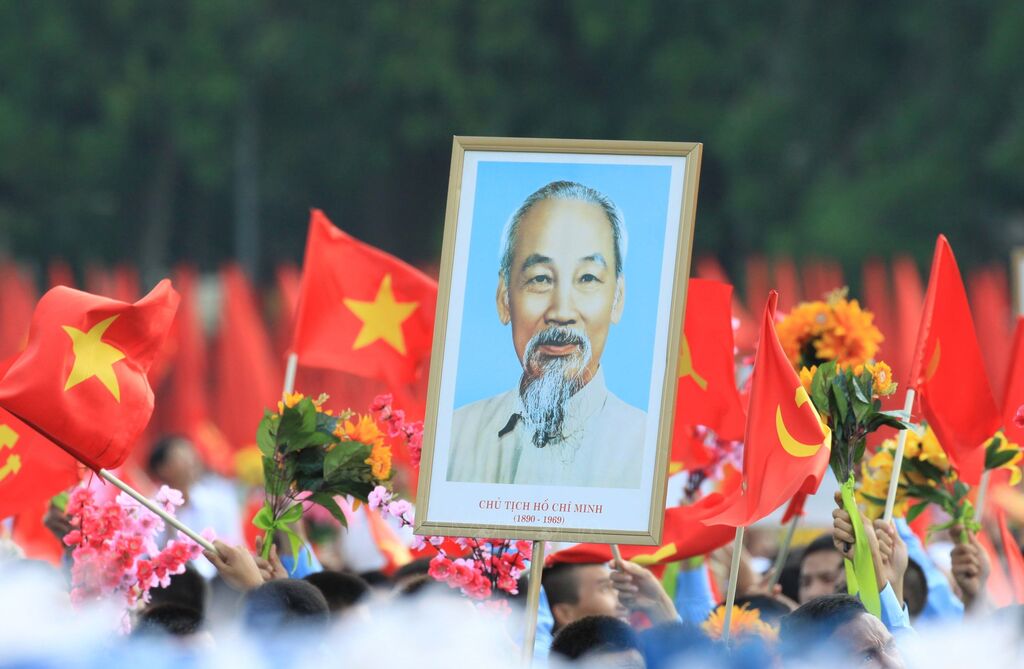
| Vietnam strives to become one of Asia’s leading countries in terms of national branding and image, and among the top three in ASEAN. (Photo: VNA) |
Hanoi (VNA) – Deputy Prime Minister Mai Van Chinh has signed Decision No. 173/QD-TTg approving the Strategy on communications to promote Vietnam’s image abroad for the 2026–2030 period, with a vision to 2045.
The strategy aims to proactively, comprehensively, consistently and effectively promote Vietnam’s image to the international community through media channels. Through this effort, Vietnam seeks to enhance global awareness, goodwill and trust toward the country, its people, culture and development achievements, thereby helping affirm national stature, prestige, identity and competitiveness in the region and worldwide.
At the same time, it also aims to mitigate the impact of information that could negatively affect Vietnam’s image, while creating a favourable environment for expanding international cooperation, attracting investment, boosting tourism, promoting socio-economic development, strengthening national defence and security, and advancing deep and sustainable international integration.
The strategy sets the goal of building Vietnam into one of Asia’s leading countries in terms of national branding and image, striving to rank among the top three in ASEAN and the top 30 globally on the National Soft Power Index by 2045.
Vietnam is expected to be clearly identified as a developed, humane, creative, responsible and trustworthy country, a symbol of peace, stability, national solidarity and cooperation for development in the region and the world
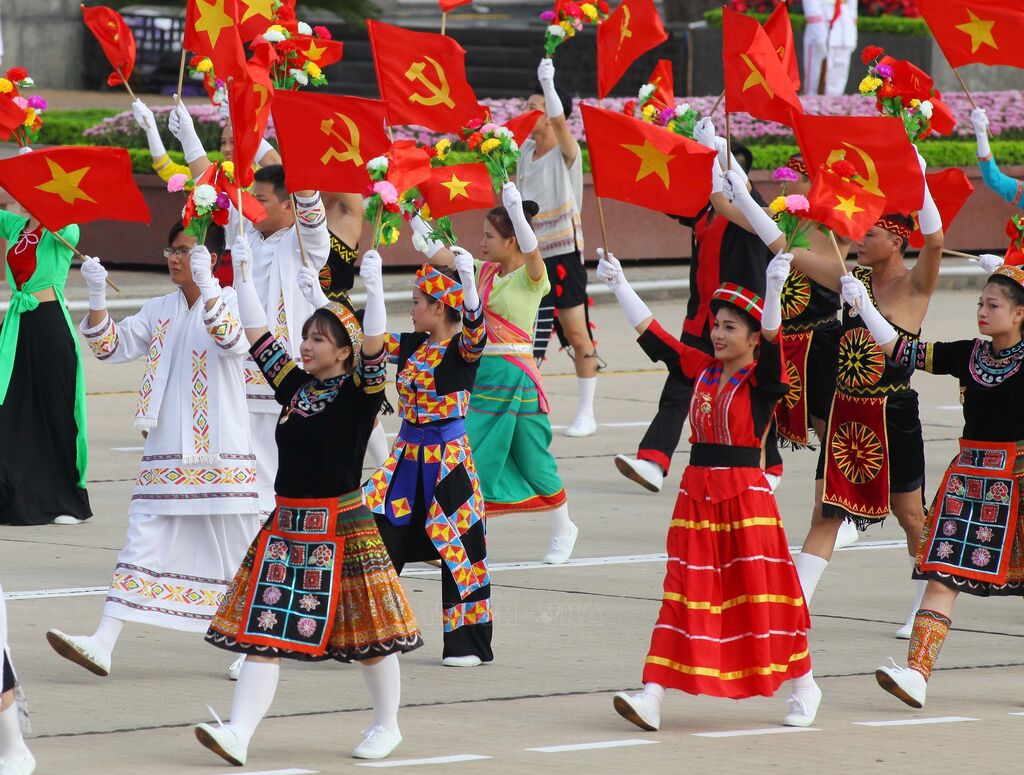 |
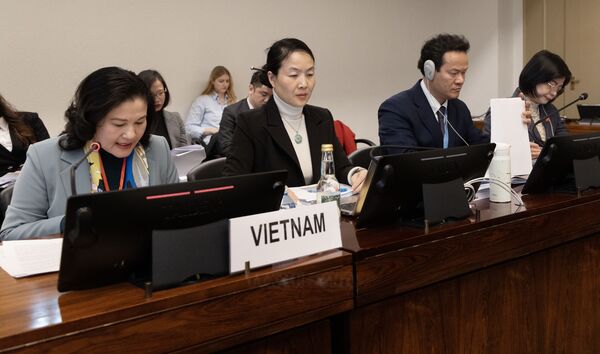
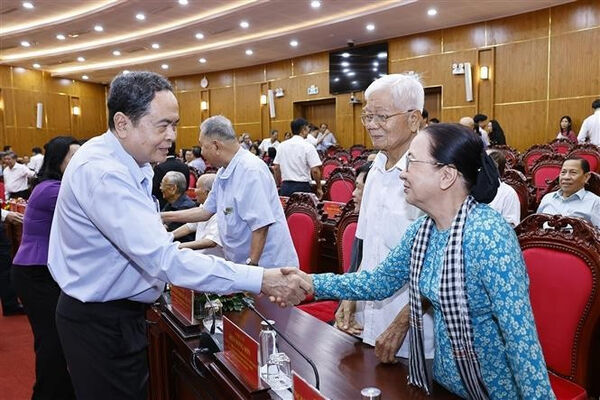
| Vietnam seeks to enhance global awareness, goodwill and trust toward the country, its people, culture and development achievements, thereby helping affirm national stature, prestige, identity and competitiveness in the region and worldwide. (Photo: VNA) |
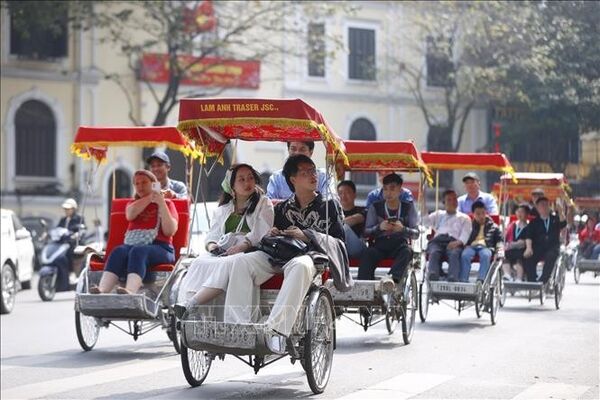
The country is also envisioned as an attractive destination for tourism, investment, innovation and international cultural exchange, with a target of welcoming around 70 million international visitors annually and effectively attracting high-quality foreign direct investment. These efforts are expected to contribute to Vietnam’s goal of becoming a high-income developed nation by 2045.
The strategy underscores the need for a fundamental shift in thinking and unified action regarding the role of promoting Vietnam's image abroad. It calls for the entire political system to recognise image promotion as a comprehensive political, diplomatic, cultural and economic task, requiring close coordination among ministries, sectors, localities, media agencies, businesses, the public and overseas Vietnamese communities.
A key change is the transition from one-way publicity to building national image, brand and soft power, with a focus on inspiring audiences, sharing values and fostering goodwill. Communications will be multi-dimensional, credible, engaging and creative, tailored to specific regions, markets and target audiences.
Notably, this is the first time the strategy requires a systematic approach to content and messaging by identifying core pillars shaping the country’s image through flexible narratives and “Vietnam stories” featuring role models, individuals, events, initiatives and flagship products.
These elements will support the development of a unified national image identity.
The strategy also calls for establishing a comprehensive digital communications ecosystem, with strong application of digital technologies, artificial intelligence and big data in content production and distribution, and the development of multilingual digital content across cross-border platforms.
It encourages integrated promotion campaigns combining in-person and online formats, the digitalisation of content from traditional events, and stronger interaction and presence on international media. Strategic cooperation with reputable global media outlets is also emphasised.
Investment in human resources and national communication capacity is identified as a decisive factor, alongside enhanced inter-agency coordination, mobilisation of social resources, and the establishment of flexible monitoring and evaluation mechanisms to ensure effective implementation./.