 |
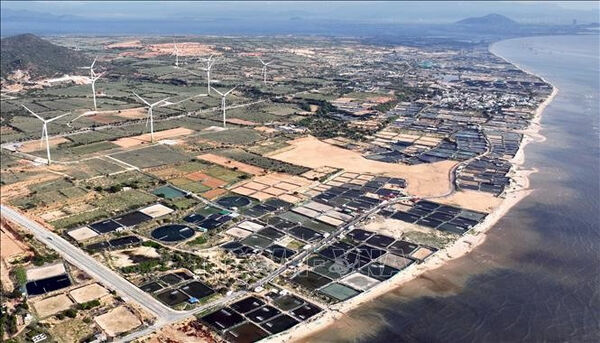
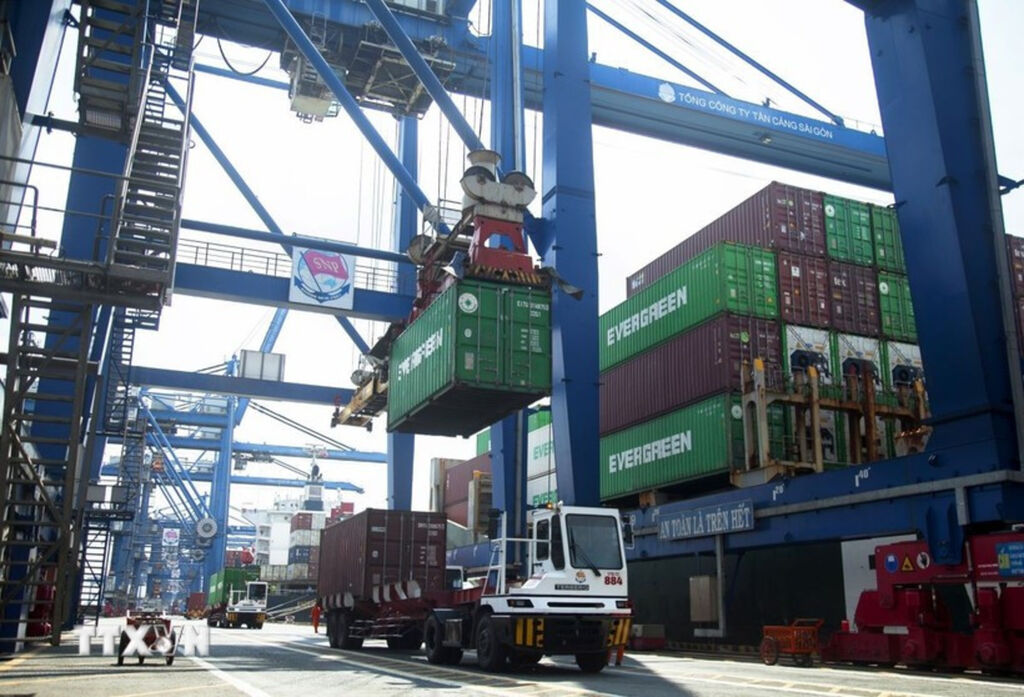
| A view of Cat Lai Port in Ho Chi Minh City (Photo: VNA) |
Hanoi (VNA) – Professor Ezequiel Ramoneda, Coordinator of the Southeast Asian Studies Centre (CESEA) of Argentina, has highlighted Vietnam’s notable achievements in 2025 and expressed optimism about the country’s development prospects in 2026 and the next five years under the Communist Party of Vietnam (CPV)’s leadership.
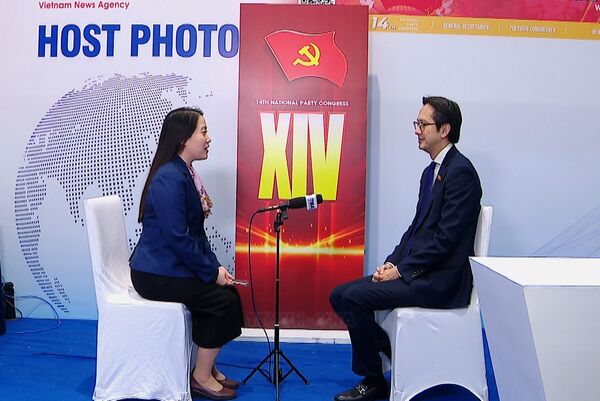
Speaking to a Vietnam News Agency correspondent in Buenos Aires following the success of the 14th National Congress of the CPV, Ramoneda noted that 2025 continued to mark a year of positive economic performance for Vietnam amid a volatile international environment, intensifying strategic competition and growing fragmentation of the global economic order.
Vietnam’s ability to maintain stable growth while expanding exports to markets with high standards and stringent entry barriers reflects the economy’s flexibility and effective adaptability, he underlined.
The Argentine scholar stressed that Vietnam’s foreign policy of independence, self-reliance, multilateralisation and diversification of international relations has been a key factor underpinning these achievements. Since the launch of the Doi Moi (Renewal) policy in 1986, Vietnam has accumulated experience and strategic confidence in asserting its international standing, maintaining strategic balance among major power centres, and safeguarding national interests.
Amid intensifying US–China competition and the emergence of new economic blocs and supply-chain linkages, Ramoneda noted that Vietnam has successfully built its image as an open and integration-oriented partner, actively engaging in multilateral cooperation mechanisms rather than pursuing isolationism or factionalism. This approach, he said, has not only strengthened Vietnam’s external position but also directly contributed to economic growth and investment attraction.
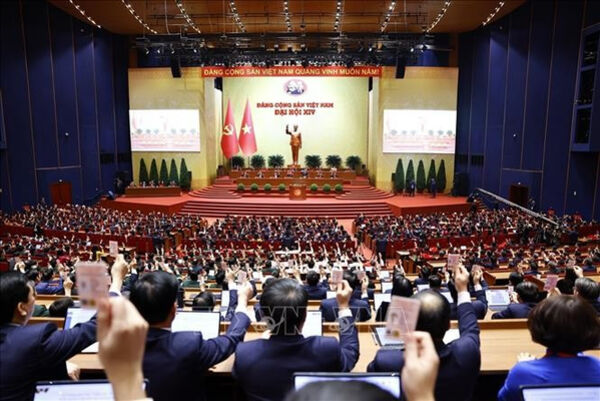
Assessing the significance of the 14th National Party Congress, the professor described it as an important milestone that demonstrates continuity and further development of Vietnam’s renewal path, with people placed at the centre of all policymaking and citizens regarded as the foundation of development. He emphasised that defining people as both the driving force and the ultimate goal of development will continue to provide a solid social foundation for institutional reform and sustainable development in the coming period.
Ramoneda also spoke highly of Vietnam’s efforts to reform the administrative apparatus, enhance the effectiveness of state governance, accelerate digital transformation and streamline procedures. These measures, he said, are essential to improving productivity, reducing costs and better serving the people amid rapidly changing domestic and international conditions.
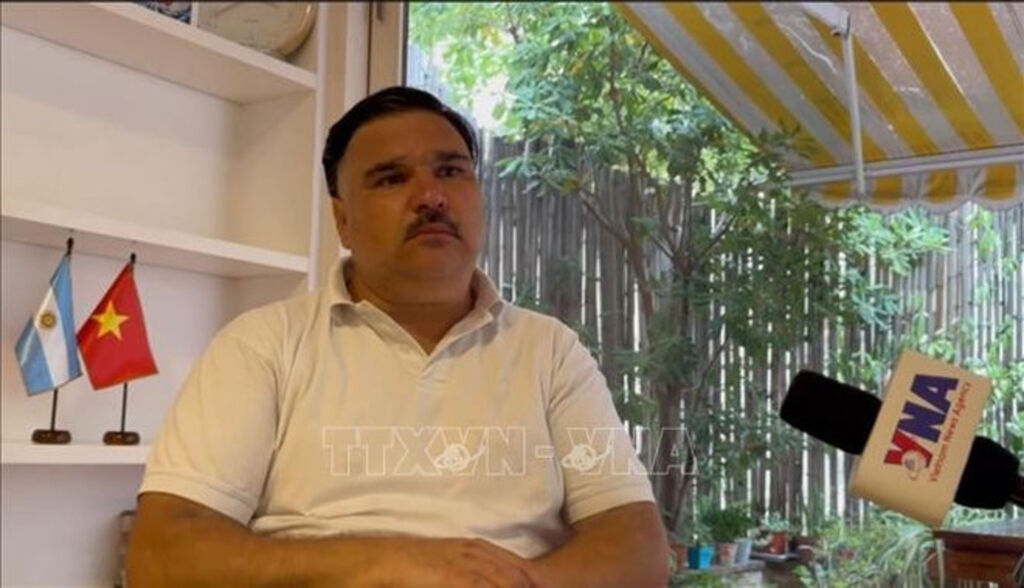 |
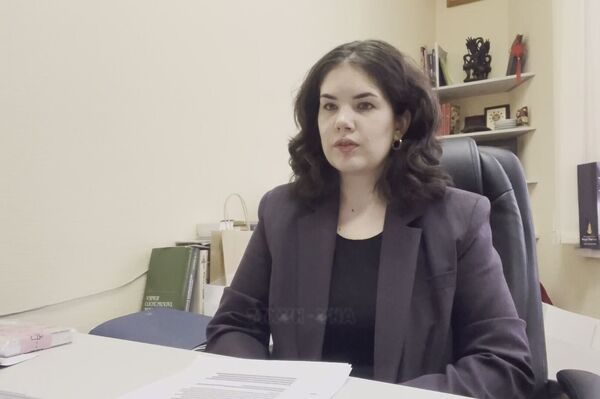
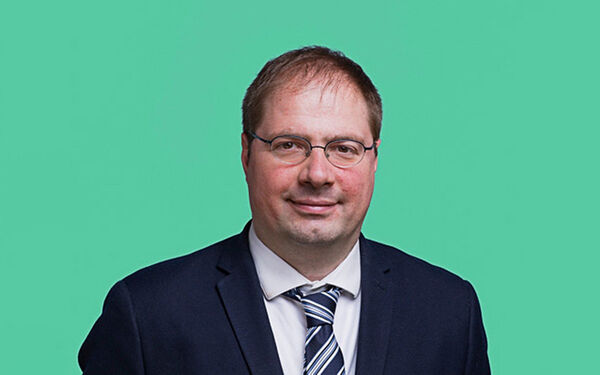
| Professor Ezequiel Ramoneda, Coordinator of the Southeast Asian Studies Centre (CESEA) of Argentina (Photo: VNA) |
Regarding anti-corruption efforts, the Argentine expert underscored their critical role in improving economic efficiency, minimising waste, and ensuring transparent and sustainable implementation of development projects. He noted that the fight against corruption has direct implications for the investment climate, national competitiveness and public trust.
Looking ahead to 2026 and the next five years, Ramoneda expressed confidence that Vietnam has a solid foundation to sustain positive growth momentum and even move towards the high growth targets set by the Party and the State.
With political stability, a clear development orientation and a balanced foreign policy, Vietnam is well positioned to continue affirming its role as a bright spot for growth and international integration in the region and beyond, he concluded./.