 |
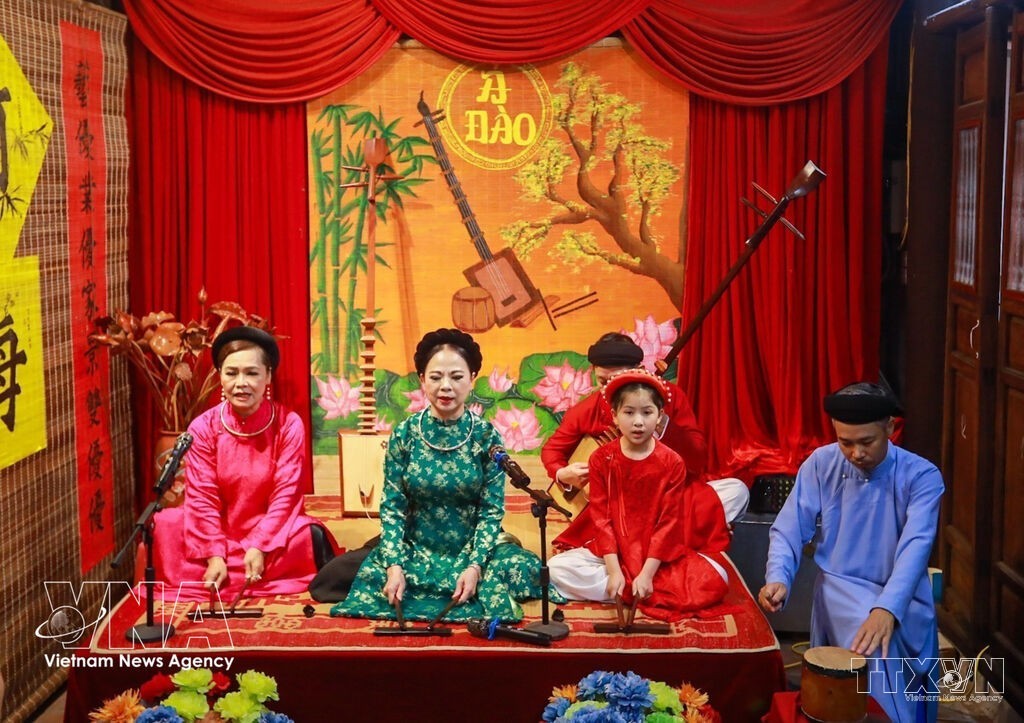
| A performance of Ca tru, a traditional Vietnamese genre combining singing, poetry and instrumental music. (Photo: VNA) |
Ho Chi Minh City (VNA) – Vietnam’s cultural industries are facing an urgent need to shift from exploiting existing cultural assets to building value chains that can generate revenue, jobs, intellectual property and international competitiveness.
A law on cultural industry development is expected to provide a major institutional boost by connecting culture with creativity, intellectual property rights, capital, production and markets. It is set to help shape a national cultural industry brand, turning Vietnamese identity into a development resource and strengthening the country’s soft power.
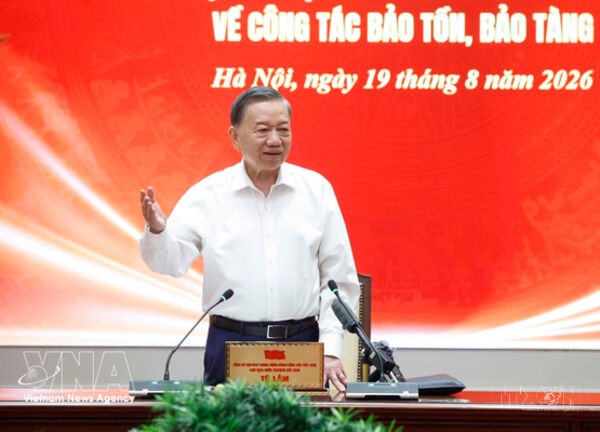
Deputy Minister of Culture, Sports and Tourism Nguyen Huy Dung said the ministry has been tasked with drafting the law under a shortened procedure, with the draft expected to be submitted to the National Assembly for consideration at its October 2026 session.
Ho Chi Minh City was selected as the first venue in a series of policy consultations, which will continue in northern and central localities, with independent experts involved and international experience considered.
Dung stressed that cultural industries are emerging as a key economic sector and that the draft law must incorporate practical, breakthrough and feasible proposals from people directly engaging in creating, producing, doing business and bringing cultural products to market.
Although cultural industries have been included in major Party policies and Government development strategies, their contribution to GDP was estimated at only 4–5% during 2018–2025, still well below the target of at least 7% by 2030.
Existing sector-specific laws provide legal frameworks for areas such as cinema, performing arts, advertising, publication, intellectual property and tourism. However, the current legal system lacks sufficiently enabling policies to develop cultural industries as an economic sector.
Value chains remain fragmented, from creativity and intellectual property rights to capital, production, distribution, revenue generation, reinvestment and exports.
The draft law therefore seeks to establish a formal legal status for cultural industries within the national economic structure and connect their value chains to boost economic value, exports and strategic investment while promoting Vietnamese identity and soft power internationally.
A key proposed innovation is to approach cultural industries as an integrated ecosystem centred on people, creative practitioners, businesses and intellectual property. The ecosystem would be independently monitored and assessed to provide a basis for policy adjustments and prevent bottlenecks in individual stages from holding back the sector as a whole.
The bill also proposes measures to develop human resources, including enabling talented and experienced artists and artisans to participate in teaching and vocational training, developing a competency framework for cultural industries, and linking training with businesses and market demand.
Preferential investment policies are also proposed for cultural industry infrastructure, including creative complexes, cultural spaces, data repositories and digital cultural platforms.
Nguyen Manh Cuong, Vice Chairman of the Ho Chi Minh City People’s Committee, said the city boasts the most vibrant cultural and artistic scene in Vietnam, with numerous creative models that have been tested in practice.
The drafting of the law is an opportunity to turn requirements into appropriate mechanisms and policies, helping cultural industries become a new growth driver for the city, Cuong said.
Bui Viet Ha, Director of External Affairs and Public Relations at Yeah1 Group, said the draft’s proposed policies would be particularly meaningful for producers of television programmes, digital content and social media products.
She highlighted the need for stronger mechanisms encouraging cooperation between educational institutions and businesses. If businesses invest funding, time and experts in developing curricula and training, appropriate policies should recognise these contributions and encourage deeper business involvement in human resources development.
Ha also welcomed the proposed electronic “National Culture Card”, integrated with citizens’ electronic identification accounts. She suggested developing it into a cultural points system through which residents, tourists and content creators could earn points for promoting Vietnamese landscapes, cuisine, heritage and products through positive and widely shared content, and then use the points to access museums, tourist attractions, performances and cultural services.
Vo Anh Tai, Deputy General Director of Saigontourist, said cultural tourism should be viewed as an integrated field that creates markets for heritage, cuisine, performing arts, handicrafts, design, cinema, festivals and other creative products.
He called for stronger inter-sectoral value chains linking cultural resources with product development, destinations, accommodation, cuisine, travel services, distribution and consumption. Public-private partnerships and mechanisms for commissioning businesses to develop key national cultural tourism products could help create products capable of becoming national brands./.