 |
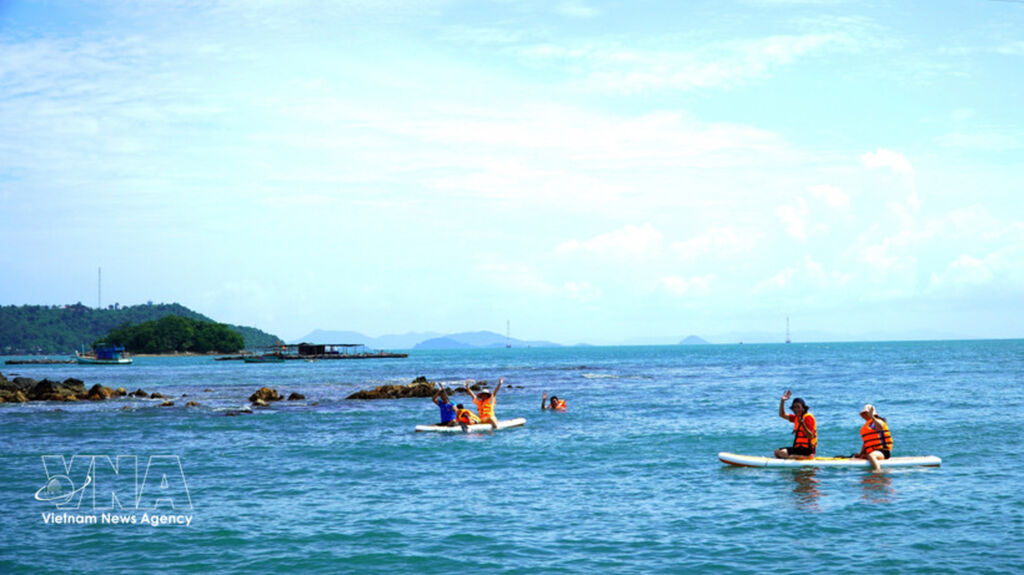
| Tourists enjoy stand-up paddleboarding (SUP) and foraging for seafood along the waters of the Hai Tac Archipelago. (Photo: VNA) |
Hanoi (VNA) - Amid rising costs and increasingly cautious consumer sentiment, Vietnam’s tourism market is undergoing a notable reset, with both domestic and international travellers gravitating toward shorter, more flexible and experience-driven journeys.
Short, flexible trips take the lead
Travel firms report a clear shift in domestic demand toward short-haul trips to nearby destinations, particularly those accessible by private car. Nguyen Thu Phuong of Indochina Pride Travel said routes from Hanoi to Hoa Binh, Moc Chau, Ninh Binh and Quang Ninh are seeing strong interest, as travelers prioritise convenience, affordability and control over their schedules rather than committing to long-distance travel.
At the same time, travel behaviour is evolving. According to Trinh Thu Huong, Director of HappySmiles Vietnam Travel, more Vietnamese tourists are opting for independent travel, self-driving and booking services online instead of purchasing traditional package tours. While established destinations such as Phu Quoc and Nha Trang remain popular, many travellers now prefer to design their own itineraries, including extended cross-country trips.
In contrast, outbound travel is gaining traction among group tourists. Industry insiders note that for some segments, overseas travel is now considered reasonably priced, even competitive with domestic options. Mid-range travellers are increasingly choosing nearby markets such as China and Thailand, while higher-end customers continue to favor long-haul destinations including Europe and Australia.
However, the outbound segment is not without challenges. Rising fuel costs have pushed up operating expenses, while geopolitical tensions in certain regions are dampening travel sentiment. Instability in the Middle East, for example, has disrupted flight routes, forcing travel companies to adjust or cancel some itineraries.
Inbound tourism is also under pressure. Huong noted that international arrivals to Vietnam have declined year-on-year, partly due to limited flight connectivity and heightened risk concerns among travellers. The slowdown is particularly evident in Asian markets, where short-notice bookings are common, as tour inquiries have dropped significantly.
Experiential and creative tourism on the rise
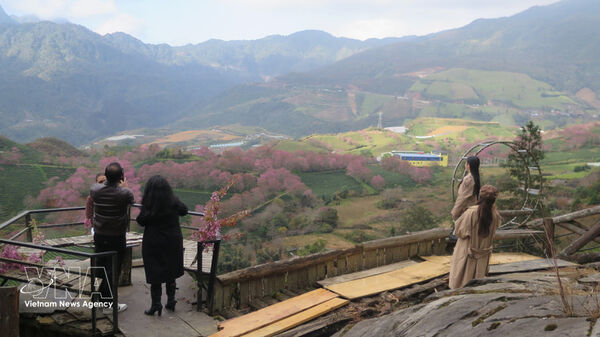
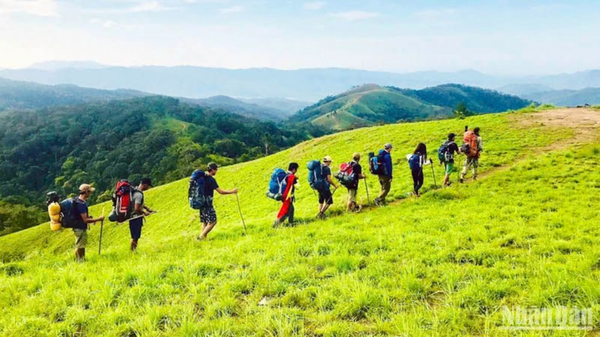
Despite these headwinds, experiential and creative tourism is gaining momentum. Instead of sticking to well-trodden routes such as Hanoi, Ha Long, Ninh Binh or Sa Pa, international visitors are increasingly venturing into lesser-known destinations in the Northeast and Northwest, including Ha Giang, Cao Bang, Bac Kan, Lao Cai and Dien Bien, as well as adventure-focused itineraries in central provinces like Quang Binh.
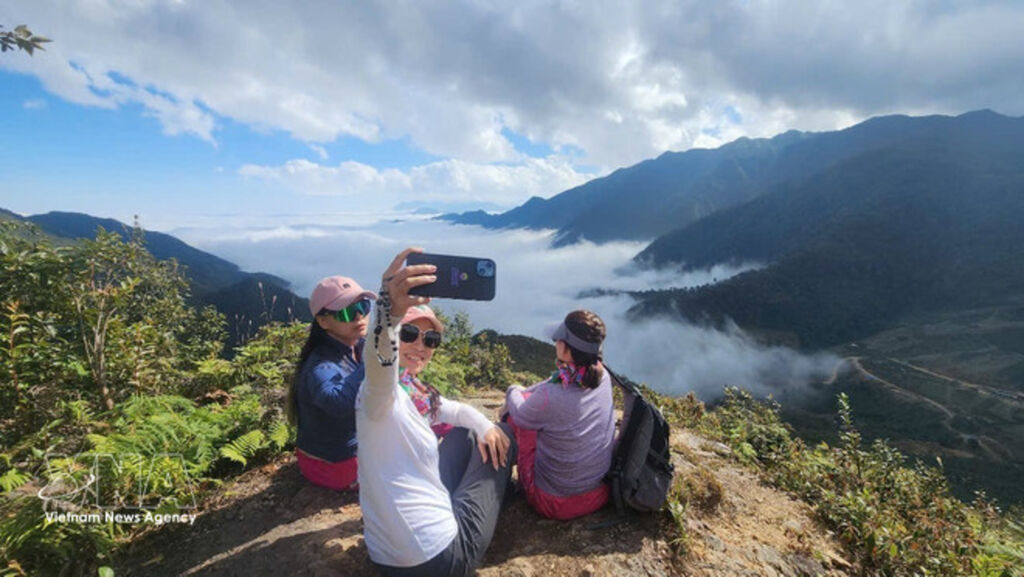 |
| Visitors explore the Tang Da Than (God Stone) tour in Pung Luong commune, Lao Cai province. (Photo: VNA) |
Demand is shifting toward immersive experiences that emphasise exploration, local culture and personal engagement, gradually replacing purely leisure-oriented travel. This reflects a broader preference for deeper, more distinctive and highly personalised journeys.
The trend is equally visible among domestic travellers, particularly families. Parents are showing a growing willingness to invest in hands-on activities that allow children to learn cultural values and practical skills through direct experience, from traditional cooking and craft-making to community-based activities.
Locally rooted creative tourism models are also expanding. Nguyen Cong Tinh, a homestay owner in Moc Chau, said visitors are especially drawn to activities such as wax-resist painting on fabric, making traditional rice cakes, preparing local specialties, learning papermaking or harvesting seasonal fruits. These experiences enable travellers to engage more meaningfully with local life, offering a cultural depth that goes beyond conventional sightseeing.
Experts say this reflects a broader global shift toward creative tourism, where visitor experience, community involvement and the uniqueness of destinations take center stage. In Vietnam, the trend is increasingly seen as essential as the industry seeks to diversify its offerings and enhance competitiveness. The national tourism strategy to 2030 also underscores the importance of sustainable development, balancing economic growth with cultural preservation, environmental protection and improved livelihoods for local communities.
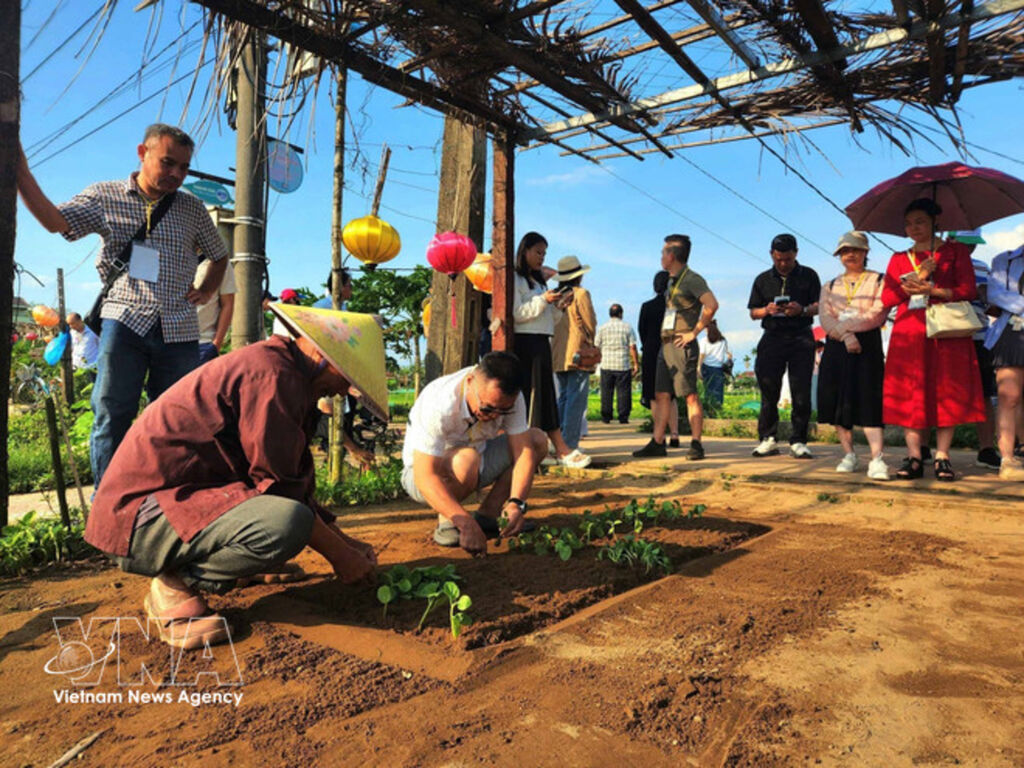 |
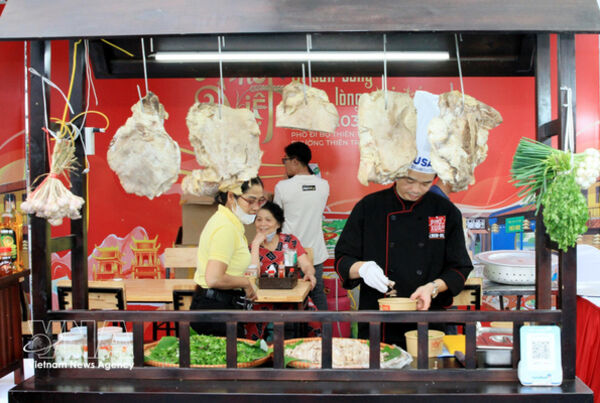
| International visitors experience the “clean” agricultural production process at the Thanh Dong Organic Vegetable and Tourism Cooperative in Da Nang city. (Photo: VNA) |
Assoc. Prof. Dr. Pham Trung Luong from the Vietnam Tourism Training Association highlighted that direct interaction with local communities, through cultural exploration, creative activities and shared experiences, is key to the appeal of creative tourism. Such engagement allows visitors to gain deeper insights into local culture while contributing to longer stays and higher spending.
He added that creative tourism is not constrained by seasonality, as these activities can be experienced year-round. Beyond enriching the visitor experience, the model also generates jobs and income for local residents, strengthening community-based tourism.
After more than three decades of growth, Vietnam’s tourism industry has achieved significant progress but continues to face challenges related to efficiency, visitor spending and repeat visitation. In this context, creative tourism is emerging as a promising solution.
Experts say that in a volatile market environment, the industry must remain agile, adapting products and focusing on personalised, experience-led offerings. The convergence of leisure travel with cultural exploration is expected to accelerate, providing a sustainable pathway that aligns with evolving traveler preferences while preserving cultural identity and supporting local communities./.