 |
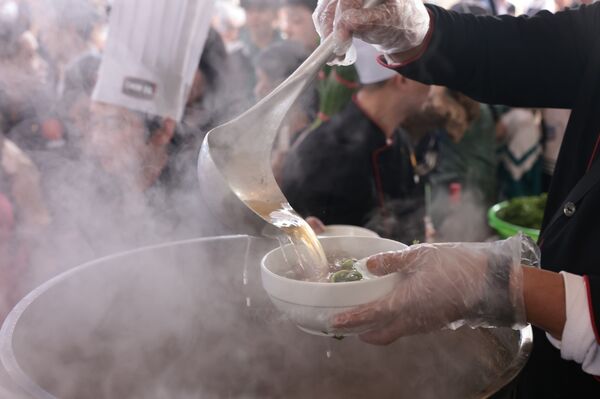
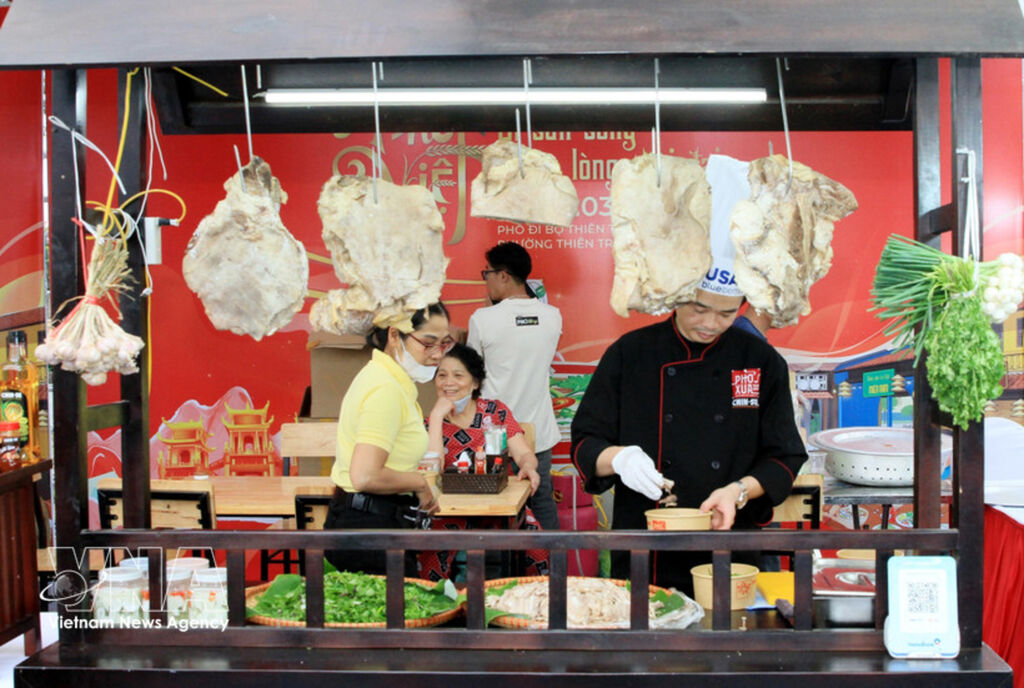
| The Pho Xua booth (Nam Dinh ward – Ninh Binh) at the Pho Festival 2026. (Photo: VNA) |
Ninh Binh (VNA) – Recognised as a national intangible cultural heritage, the folk knowledge surrounding Nam Dinh Pho (Vietnamese rice noodle soup) is being preserved not only to safeguard a traditional culinary practice but also to protect a living cultural legacy with pho as a cultural driver of sustainable economic and tourism development.
Van Cu – birthplace of the pho tradition
The story of Pho Co traces back to Van Cu village in Nam Dong commune, Ninh Binh province, considered the cradle of Vietnam’s pho-making craft. For generations, villagers have dedicated themselves to preserving and passing down the culinary techniques that shaped the country’s most iconic dish.
Historically renowned for producing traditional rice vermicelli and noodle sheets, Van Cu adapted its craft during rainy seasons when noodles could not be sun-dried. Fresh sheets were sliced into thin strands, forming an early version of pho, initially served with crab-based broth before evolving into the bone-broth soup recognised today.
In the early 20th century, alongside the construction of French-era industrial works in Nam Dinh and Hanoi, street vendors refined the dish further by introducing beef broth. Diners later coined the name Pho Co, referring to pho prepared by cooks from the Co family.
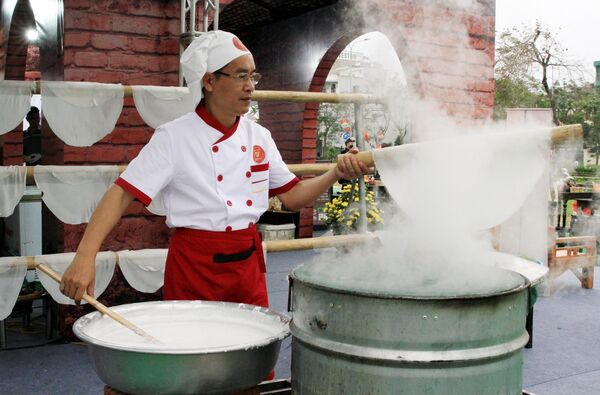
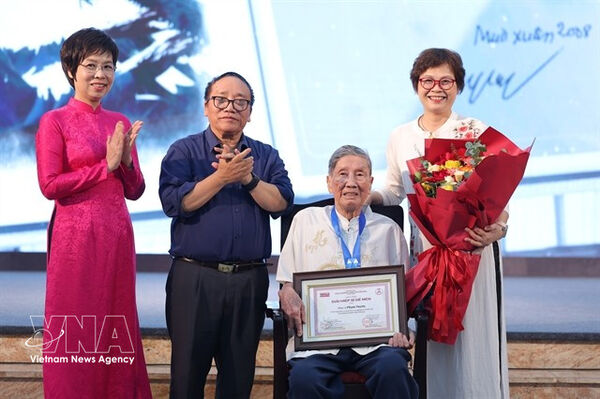
Co Huu Kien, a veteran artisan in his nineties and the village’s most experienced pho noodle maker, recalled that traditional pho noodles were crafted from rice soaked in clean water, ground with stone mills, hand-steamed and manually cut, creating the distinctive softness, elasticity and chewiness associated with Van Cu Pho.
Equally important are the village’s closely guarded broth-making techniques, refined over generations. Using beef and pork bones, cooks developed methods to remove unwanted odours while enhancing the broth’s natural sweetness, complemented by herbs and vegetables to achieve a clear yet rich flavour.
According to Co Van, a septuagenarian who has cooked pho since the age of 17, seasoned diners can easily recognise Van Cu pho because its preparation relies on accumulated experience rather than fixed formulas. Careful ingredient selection and inherited family secrets produce a taste deeply rooted in the cultural identity of the former Nam Dinh region, now part of Ninh Binh province.
Since the 1980s, the pho trade has expanded significantly, with families preserving the craft as both a livelihood and a shared cultural heritage. Villagers have carried the profession across Vietnam and abroad.
Today, Van Cu natives operate more than 130 pho restaurants and 30 noodle production facilities nationwide. Two artisans, Vu Ngoc Vuong and Co Nhu Doi, have been honoured by the Vietnam Culinary Culture Association for their contributions to preserving the craft.
A living heritage in modern times
Established in 2022, the Van Cu Pho Association serves as a common platform connecting practitioners and safeguarding traditional values. Bringing together around 50 members nationwide, the association facilitates professional exchanges, promotes authentic flavours, participates in culinary events, and encourages younger generations to continue the trade.
To connect cultural preservation with tourism growth, Nam Dong commune has backed efforts to celebrate the pho craft, boosting brand identity, building tourism links, and raising awareness about food safety.
Nguyen Van Sinh, Chairman of the Nam Dong commune People’s Committee, said local authorities have worked closely with experts, artisans and the pho-making community to compile documentation supporting Vietnam’s nomination of pho for UNESCO recognition. The commune is also studying plans for an 8.6-hectare development area near Van Cu communal house, combining craft preservation with experiential tourism to enhance the value and visibility of both Van Cu pho and Vietnamese pho as a whole.
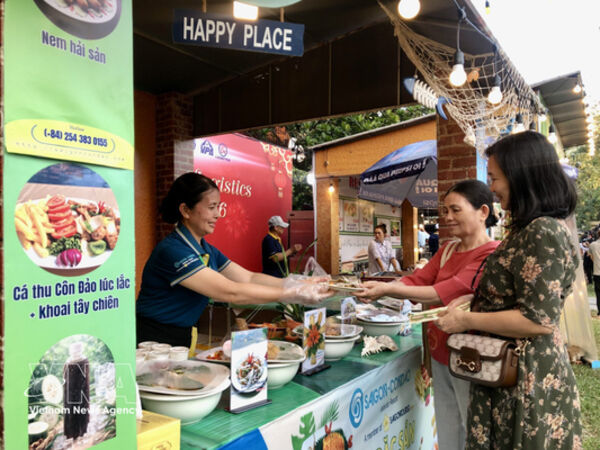
From March 19–22, the Pho Festival 2026 was held at Thien Truong pedestrian street in Thien Truong ward, Ninh Binh province, gathering around 50 booths representing leading pho brands nationwide and recreating the evolution of Vietnamese pho. The event offered visitors an opportunity to experience regional variations while promoting research and standardisation efforts aimed at completing a future UNESCO nomination dossier./.