 |
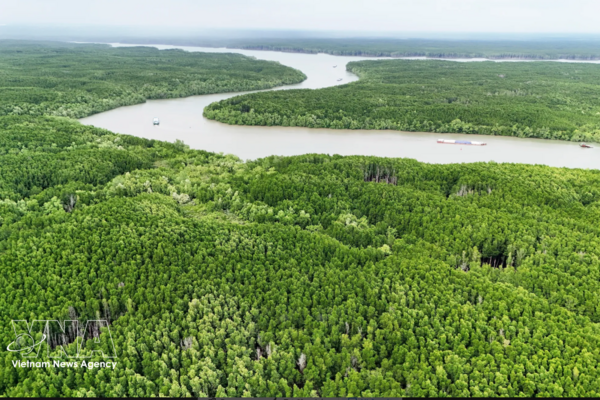
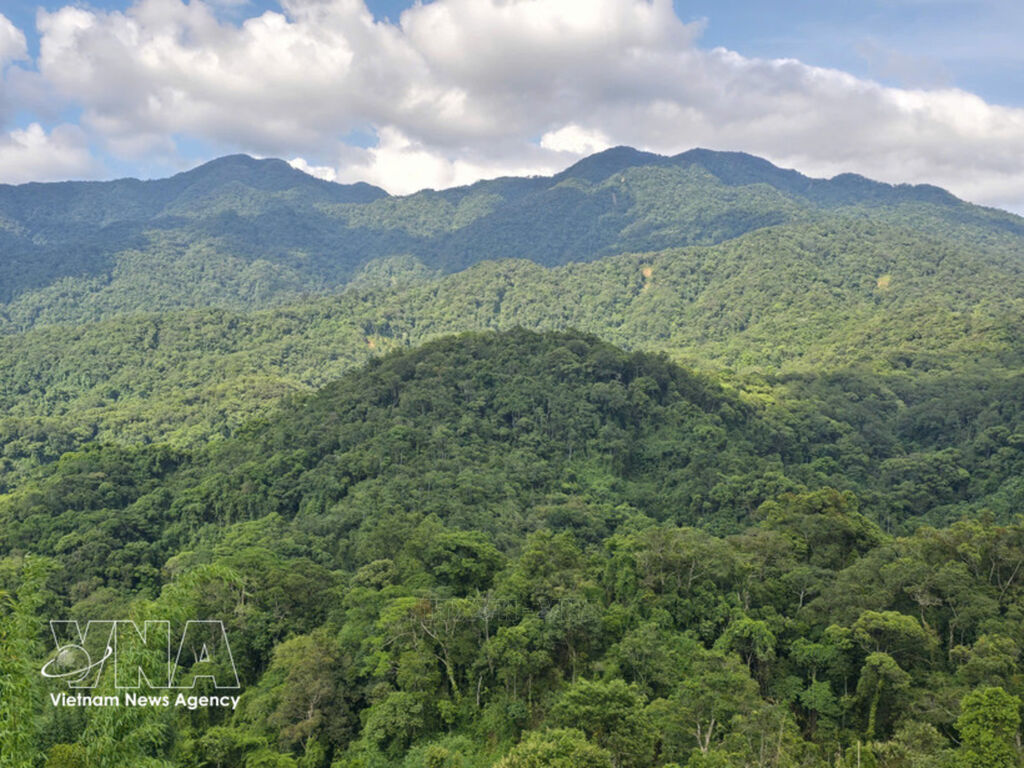
| Vietnam is among Asia’s leading countries in forest restoration and sustainable forest management. (Photo: VNA) |
Hanoi (VNA) – About 25 million people in Vietnam are directly and indirectly benefiting from forests, underscoring their vital role not only as ecological assets but also as drivers of economic growth, social welfare, and sustainable development.
As green development becomes an inevitable global trend, protecting and investing in forests is increasingly seen as an investment in the future, where people, nature, and the economy can develop in harmony. Often described as the “green lungs” of the Earth, forests quietly sustain life and shield communities from growing climate uncertainties.
In Vietnam, forests serve as a foundation for livelihoods, water resources, public health, and environmental stability, particularly for ethnic minority communities living in and near forest areas. They also act as a natural buffer against disasters, helping reduce risks linked to climate change.
According to the Forestry and Forest Protection Department, Vietnam is among Asia’s leading countries in forest restoration and sustainable forest management. With a total forest area of 14.87 million hectares, the country has maintained a stable forest coverage rate of 42.03% while achieving an average annual growth of around 5% in the forestry sector during 2021–2025.
 |
| Quang Tri province is developing forest-based tourism in tandem with conservation and sustainable development. (Photo: VNA) |
Beyond environmental protection, the forestry sector has become a significant economic pillar. It has contributed to restructuring mountainous economies through the development of raw material zones for wood processing and forest product industries.
Notably, Vietnam’s wood and forest product industry has emerged as a key export sector. In 2025 alone, export turnover exceeded 18.3 billion USD, generating a trade surplus of over 15 billion USD, accounting for more than 75% of the country’s total trade surplus. These figures reinforce Vietnam’s position as one of the world’s leading exporters of wood and wood products.
Forests also support the growth of related industries such as hydropower, eco-tourism, aquaculture, medicinal plants, and carbon sequestration services. These activities create jobs, improve incomes, and contribute to poverty reduction, especially in remote and disadvantaged areas.
Experts stress that the value of forests extends far beyond measurable outputs such as timber or export revenues. Forests play a crucial role in regulating climate, preserving biodiversity, protecting water sources, and ensuring sustainable livelihoods for millions.
From a global perspective, the Food and Agriculture Organisation (FAO) estimates that forests contribute trillions of USD to the world economy through ecosystem services and renewable resources, with more than half of global GDP depending directly on nature.
However, forests remain undervalued in economic decision-making, and investment in their protection and restoration is still insufficient. This is why this year's International Day of Forests carries the theme “Forests and Economies” highlighting their central role in prosperity, climate resilience, and environmental sustainability.
According to FAO Representative in Vietnam Vinod Ahuja, Vietnam’s forests are not only a natural treasure, they are also a powerful driver of economic opportunity and rural livelihoods. Investing in forests means investing in water security, climate resilience and sustainable growth for millions of people.
Echoing this view, Director of the Forestry and Forest Protection Department Tran Quang Bao emphasised that in the face of global environmental and economic challenges, sustainable forestry development is both an urgent requirement and a demonstration of Vietnam’s commitment to global sustainable development goals.
Vietnam’s forestry sector will prioritise sustainable forest management, value chain development, expansion of ecosystem services, and the growth of forest carbon markets, alongside innovation and digital transformation. Placing local communities at the centre of forest governance will remain key to ensuring that forests continue to serve as a foundation for a greener and more resilient future./.