 |
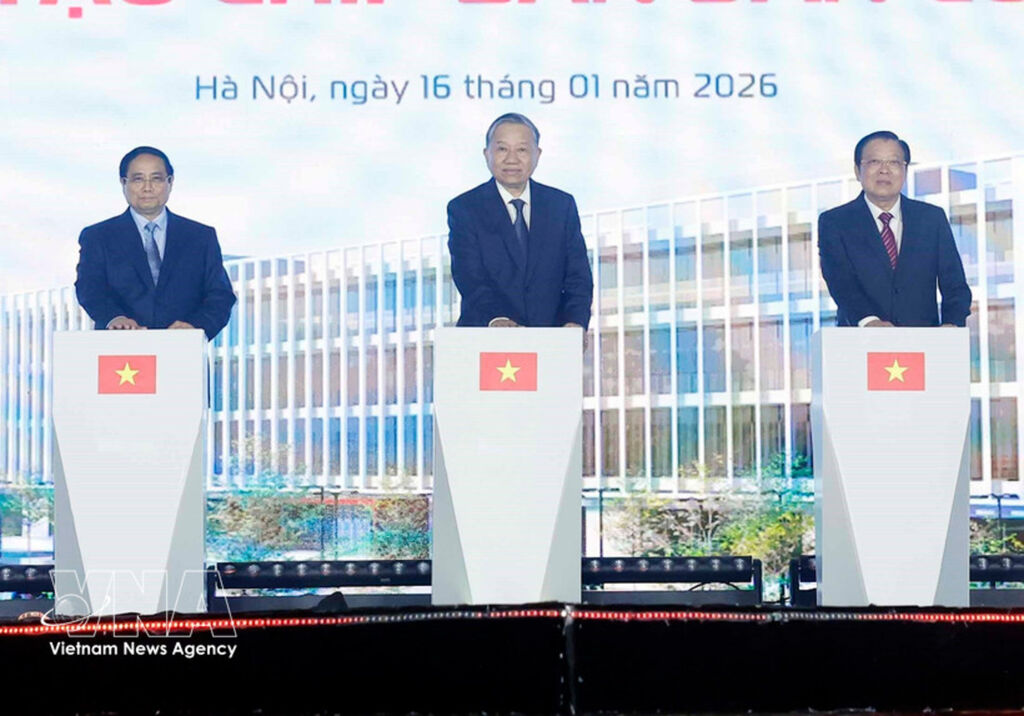
| Party General Secretary To Lam (centre), Prime Minister Pham Minh Chinh (left), and Chairman of the Party Central Committee’s Commission for Internal Affairs Phan Dinh Trac mark the start of work on a high-tech semiconductor manufacturing plant in Hanoi on January 16, 2026. (Photo: VNA) |
Hanoi (VNA) – Vietnam is revising its priority high-tech portfolio to better align with global innovation trends and evolving development demands in the years ahead.
The Ministry of Science and Technology is seeking feedback on a draft Prime Minister decision outlining four key categories: priority high technologies for investment, encouraged high-tech products, strategic technologies, and strategic tech products. The move is intended to capture emerging technology trends while strengthening the policy framework for high-tech development.
The ministry said the updated lists are being formulated in accordance with the 2025 Law on High Technology, set to take effect on July 1, 2026, and reflect advancements associated with the Fourth Industrial Revolution.
Under the draft, 84 technologies are proposed for priority investment, alongside 125 high-tech products targeted for development. A review of the Prime Minister's Decision No. 38/2020/QD-TTg indicates that 67 of the 99 previously listed technologies, or roughly 67.6%, will be retained.
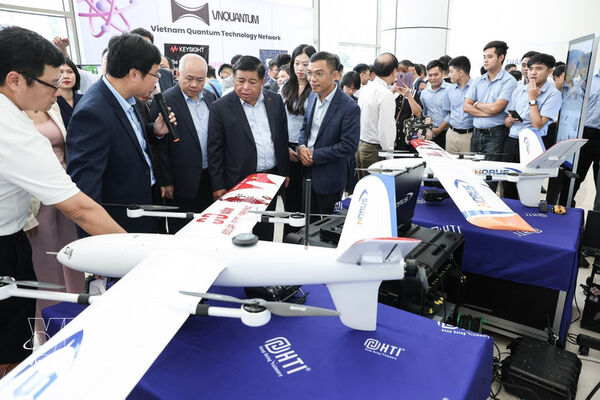
The draft underscores foundational technologies of the digital economy, including artificial intelligence (AI), the Internet of Things (IoT), big data analytics, blockchain, cloud computing, quantum technology, cybersecurity, digital twin and extended reality (XR).
Semiconductor technologies are also a key focus, covering chip design, fabrication, packaging and testing. Additional areas such as integrated circuit (IC) design, microelectronics manufacturing and advanced packaging have been incorporated following consultations.
Technologies enabling automation and smart manufacturing are also prioritised, including industrial robotics, flexible production systems, next-generation CNC machinery and advanced control systems.
In the biomedical field, the draft highlights synthetic biology, molecular diagnostics, gene editing, and tissue and cell technologies, alongside next-generation vaccines, recombinant proteins, monoclonal antibodies and advanced drug manufacturing.
Agriculture will benefit from a push toward smart and sustainable models, including large-scale soilless cultivation, smart farming equipment, nano-based agricultural inputs and molecular breeding technologies, as well as solutions to improve climate resilience and productivity.
Transport technologies include intelligent transport systems (ITS), railway signalling and control, and innovations supporting high-speed rail infrastructure and rolling stock.
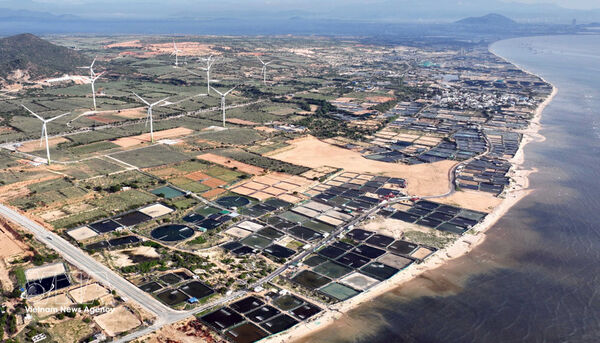
Energy and environmental priorities span renewable energy generation, advanced storage systems and smart grids, along with carbon monitoring and management, e-waste processing, material recycling, advanced materials, photonics, and technologies serving offshore wind power development.
The draft also includes selected technologies related to space and natural resources.
In parallel, the draft identifies 11 groups of strategic technologies, including AI; cloud, quantum and big data; blockchain; next-generation mobile networks (5G/6G); robotics and automation; semiconductors; advanced biomedicine; energy and advanced materials; rare earth, marine and subsurface technologies; cybersecurity; and aerospace.
Outstanding strategic products include Vietnamese large language models, virtual assistants, autonomous mobile robots, AI and IoT chips, next-generation vaccines, high-performance lithium batteries and remote sensing satellites.
The updated technology and product lists are expected to provide a foundation for policy measures supporting research, development, application and commercialisation, thereby accelerating innovation, digital transformation and socio-economic development in the coming years./.