Action plan issued to address EC recommendations on combating IUU fishing
The plan sets a target of ensuring that 100% of registered fishing vessels have complete, accurate and timely information updated in the national VNFishbase fisheries database, including vessel owners, locations, operational status and legal status.
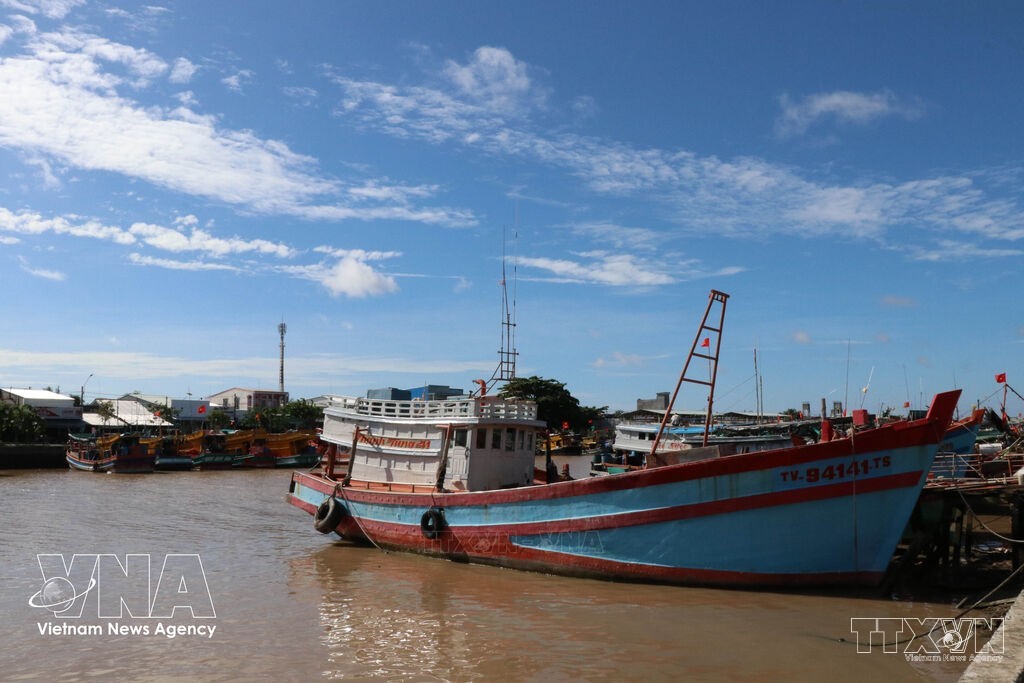
Fishing vessels anchored at Dinh An Fishing Port in Dai An commune, Vinh Long province. (Photo: VNA)

Hanoi (VNA) – Deputy Prime Minister Ho Quoc Dung has signed Decision No. 1516/QD-TTg dated August 10, 2026, promulgating an action plan to implement measures addressing recommendations made by the European Commission (EC) following its fifth inspection on Vietnam’s efforts agaisnt illegal, unreported and unregulated (IUU) fishing.

The plan aims to comprehensively deal with shortcomings and fully and substantively implement the EC’s recommendations, creating fundamental improvements in fisheries management and IUU fishing prevention and elimination. It also seeks to prepare sufficient records, data and enforcement evidence for engagement with the EC, with a determination to have the commission’s “yellow card” warning lifted in 2026, and develop a transparent, responsible and sustainable fisheries sector.

The plan sets a target of ensuring that 100% of registered fishing vessels have complete, accurate and timely information updated in the national VNFishbase fisheries database, including vessel owners, locations, operational status and legal status. All vessels required to install vessel monitoring systems (VMS) will have their equipment status checked when entering and leaving ports, with cases of signal loss, boundary violations or equipment tampering promptly detected, verified and handled within prescribed deadlines.

All trips by fishing vessels of 6 metres or more entering or leaving ports will be recorded on the electronic catch documentation and traceability system (eCDT). No catch certificate will be issued for catches from vessels whose data are unavailable or invalid on the system.

The plan also requires all applications for catch certificates and certificates of origin for aquatic exports to markets with relevant requirements to be processed through eCDT, except in force majeure circumstances.

All enterprises processing and exporting high-risk species to the European market will be subject to risk-based inspections, with discrepancies in raw materials, processing ratios, output and traceability records fully verified and addressed. All IUU fishing violations must be received, verified and handled by competent authorities within prescribed deadlines, with results promptly updated in the sanction database.

The plan calls for preventing, minimising and ultimately eliminating Vietnamese fishing vessels’ violations in foreign waters. All cases must be investigated and handled, with responsibility clearly assigned to vessel owners, captains and other relevant organisations and individuals.

Key measures include completing the legal framework; managing and controlling the fishing fleet; strengthening port monitoring and inspections; improving domestic catch traceability and control of imported seafood materials; enhancing law enforcement; promoting digital transformation and data connectivity; and stepping up international cooperation, information dissemination and communications.

During a peak month to accelerate efforts to combat IUU fishing, ministries, sectors and localities will focus on resolving outstanding tasks, particularly vessel registration, inspection and licensing; VMS installation and connectivity; port controls; operation of VNFishbase and eCDT; catch traceability; imported seafood control; and the verification and handling of VMS disconnections and fishing beyond permitted maritime boundaries./.
Related News

Vietnam’s fisheries move toward high-tech, green and sustainable development

Vietnam ranks third globally in seafood exports, with products present in more than 170 markets. In 2025, the sector produced nearly 10 million tonnes and earned over 11 billion USD from exports, remaining a key pillar of the economy. Aquaculture, especially shrimp and tra fish, continues to drive growth, accounting for over 60% of output, alongside efforts to curb capture fishing, strictly comply with IUU regulations, and transition to high-tech, green and sustainable practices.

Urgent tasks to address IUU fishing

The Government Office on March 31 issued a notice conveying the conclusions of Deputy Prime Minister Tran Hong Ha at the 33rd meeting of the Steering Committee for Combating Illegal, Unreported and Unregulated (IUU) Fishing, underscoring the need for urgent and comprehensive measures to address shortcomings identified by the European Commission (EC).

See Also

65 years on, easing the pain of Agent Orange

For 65 years, the legacy of Agent Orange has continued to affect many Vietnamese families. Through practical support policies and the shared efforts of the community, many Agent Orange victims in the northern province of Hung Yen are receiving much-needed support as they work to overcome hardship and build more stable lives.

Vietnam eyes global network of overseas Vietnamese experts in strategic technologies

In recent years, networks of OV experts and intellectuals have been established, with nearly 2,000 members. Five innovation and expert networks have also been formed in strategic technology areas such as artificial intelligence, semiconductors, quantum technology, cybersecurity, aviation, aerospace and unmanned aerial vehicles, connecting around 50 expert and intellectual associations overseas.

PM calls for people-centred cybersecurity protection

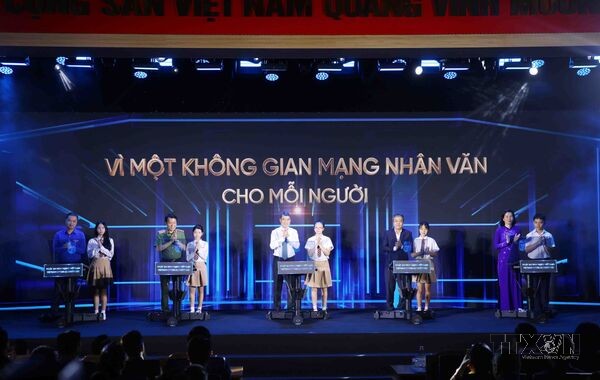
Prime Minister Le Minh Hung has stressed that cybersecurity must combine the protection of information systems with the protection of people, describing citizens’ safety, security and well-being as the ultimate measure of all cyber policies.

Vietnamese, Thai leaders pledge closer legislative cooperation

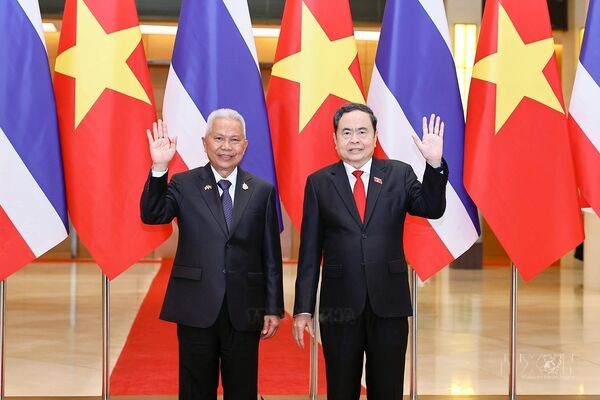
National Assembly Chairman Tran Thanh Man and President of the National Assembly and Speaker of the House of Representatives of Thailand Sophon Zaram have agreed to work closely to effectively implement cooperation agreements between the two legislatures, while expanding parliamentary exchanges and coordination in support of the Vietnam–Thailand Comprehensive Strategic Partnership.

Vietnam reaffirms commitment to global peace, nuclear disarmament

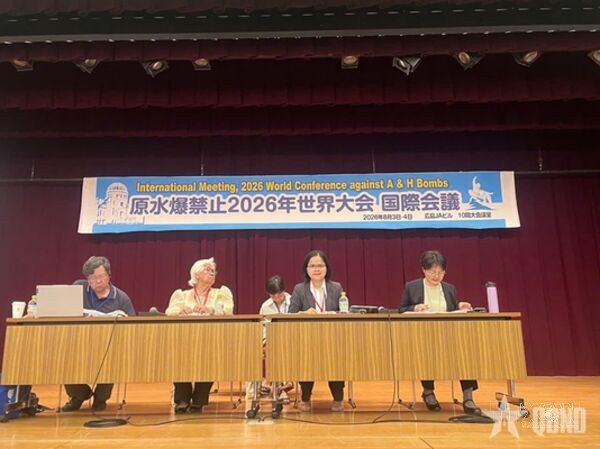
At the conference's official opening session, Duong Thi Nga, VPC Deputy Secretary-General, presented a message from General Secretary of the Communist Party of Vietnam’s Central Committee and State President To Lam to the organisers. The message was formally read before delegates at the international plenary session, while Japanese and English translations were distributed throughout the conference.

Government adopts action programme on environmental protection, climate resilience

The programme aims to translate the Party's orientations into concrete actions while strengthening environmental governance, enhancing climate resilience, and promoting a green, circular and low-carbon economy. It will serve as the basis for ministries, sectors and localities to formulate implementation plans for the 2026–2030 period, with a vision to 2045.

50 years of Vietnam–Thailand diplomatic relations: Comprehensive Strategic Partnership continues to flourish

Over the five decades since Vietnam and Thailand established diplomatic relations on August 6, 1976, bilateral ties have steadily strengthened and expanded across a wide range of fields. Since the relationship was elevated to a Comprehensive Strategic Partnership in May 2025, cooperation has become increasingly substantive and effective, serving the shared interests of both peoples and contributing to peace, cooperation and development in the region and beyond.