 |
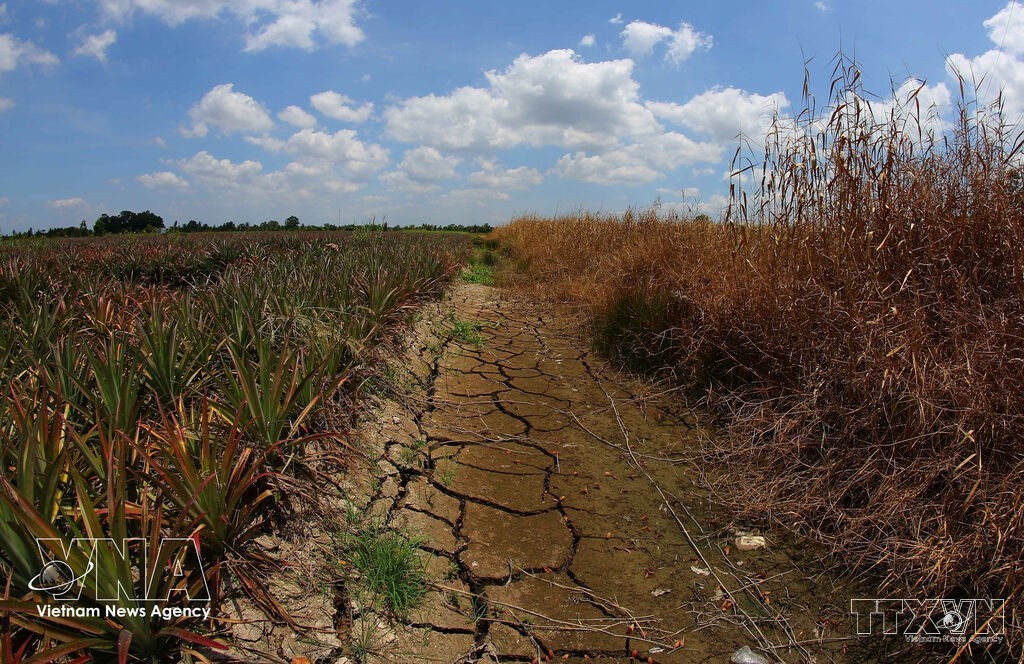
| Many inland canals in Can Tho city dries up following a prolonged period of extreme heat. (Photo: VNA) |
Hanoi (VNA) – The Government has issued Resolution No. 208/NQ-CP, adopting an action programme to implement the 14th Party Central Committee's Conclusion No. 75-KL/TW on environmental protection and proactive climate change response in the new era.
The programme aims to translate the Party's orientations into concrete actions while strengthening environmental governance, enhancing climate resilience, and promoting a green, circular and low-carbon economy. It will serve as the basis for ministries, sectors and localities to formulate implementation plans for the 2026–2030 period, with a vision to 2045.
The action plan follows a results-oriented approach, assigning clear responsibilities, timelines, expected outcomes and resources for each task to ensure accountability and effective implementation. Existing programmes and projects will be integrated to maximise efficiency.
It sets out groups of measures, including raising public awareness and mobilising society-wide participation in protecting the environement and adapting to climate change; improving institutions, policies and legislation, and strengthening enforcement; mobilising and using resources more effectively; tackling pressing environmental issues; conserving biodiversity and using natural resources sustainably; strengthening climate adaptation and disaster risk reduction; accelerating green transition and the development of a circular and low-carbon economy and strengthening greenhouse gas emissions management; advancing science, technology, innovation, digital transformation and human resources; and expanding international cooperation.
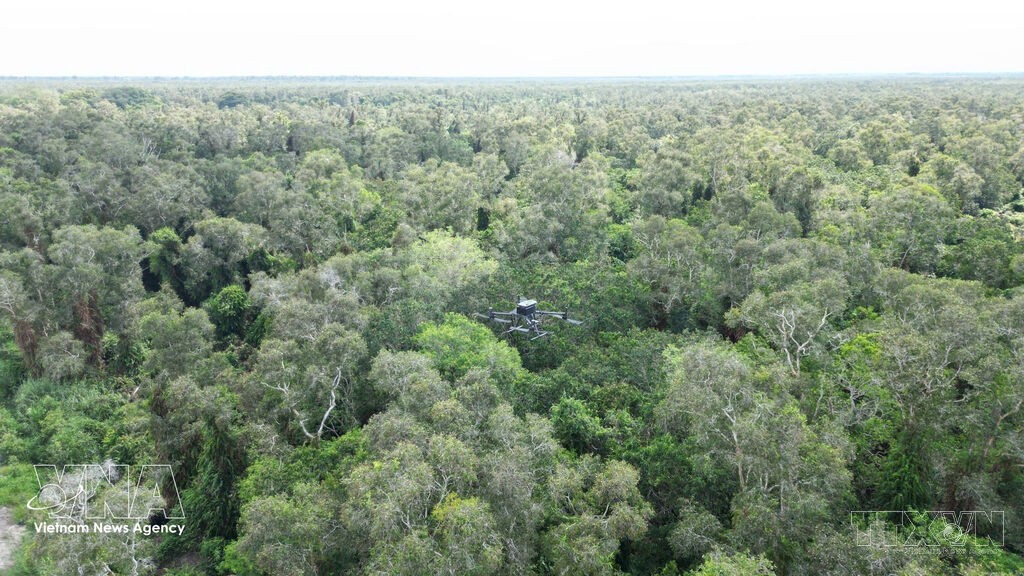 |
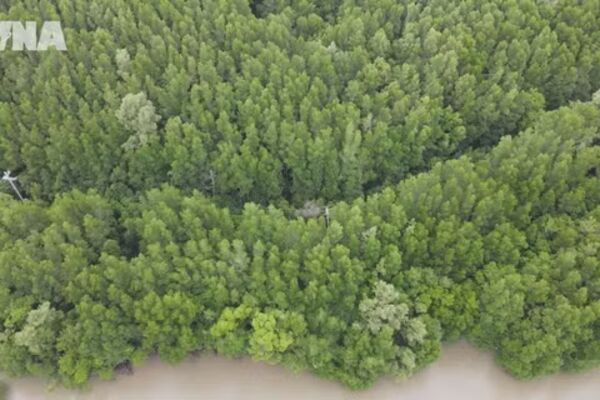
| Ca Mau authorities deploy thermal imaging drones to support forest fire prevention and monitoring forces. (Photo: VNA) |
Among its priorities is improving air quality, with a focus on tackling pollution in Hanoi, Ho Chi Minh City and other major urban centres. It also targets water pollution in priority river basins, canals and lakes, while accelerating investment in wastewater collection and treatment infrastructure for urban areas, industrial clusters and traditional craft villages.
The programme also calls for stricter control of pollutant discharges in environmentally sensitive areas in line with environmental carrying capacity.
To support the circular economy, Vietnam will improve household solid waste sorting, expand waste collection, recycling and waste-to-energy systems, reduce direct landfilling, and promote extended responsibility of producers and importers, and foster secondary materials markets.
It also highlights the need to identify and manage new types of waste generated by the green transition, while tightening controls on the import of outdated and resource-intensive technologies and equipment that pose environmental risks.
Efforts will be intensified to tackle environmental pollution in traditional craft villages while promoting the preservation and development of rural industries along green, circular and sustainable lines. Priority will also be given to addressing pollution in mining and mineral processing areas, sites contaminated by chemicals and pesticides, and other environmental hotspots.
The programme calls for reviewing and updating technical standards and regulations to incorporate climate resilience requirements, alongside strengthening monitoring and evaluation of climate adaptation measures.
It also emphasises investment in infrastructure capable of withstanding storms, floods, droughts, saltwater intrusion and sea-level rise. Climate-resilient urban development will focus on addressing flooding caused by extreme rainfall and high tides in major cities.
In agriculture, the programme promotes climate-smart farming models that reduce greenhouse gas emissions while improving resilience. It also calls for strengthening disaster response capacity through better equipment and personnel, implementing region-specific, nature-based and community-based adaptation measures in high-risk areas, including the northern midlands and mountainous region, the central coastal region, and the Mekong Delta; relocating residents from disaster-prone areas while ensuring sustainable livelihoods and improved healthcare services./.