Vietnam eyes global network of overseas Vietnamese experts in strategic technologies
In recent years, networks of OV experts and intellectuals have been established, with nearly 2,000 members. Five innovation and expert networks have also been formed in strategic technology areas such as artificial intelligence, semiconductors, quantum technology, cybersecurity, aviation, aerospace and unmanned aerial vehicles, connecting around 50 expert and intellectual associations overseas.
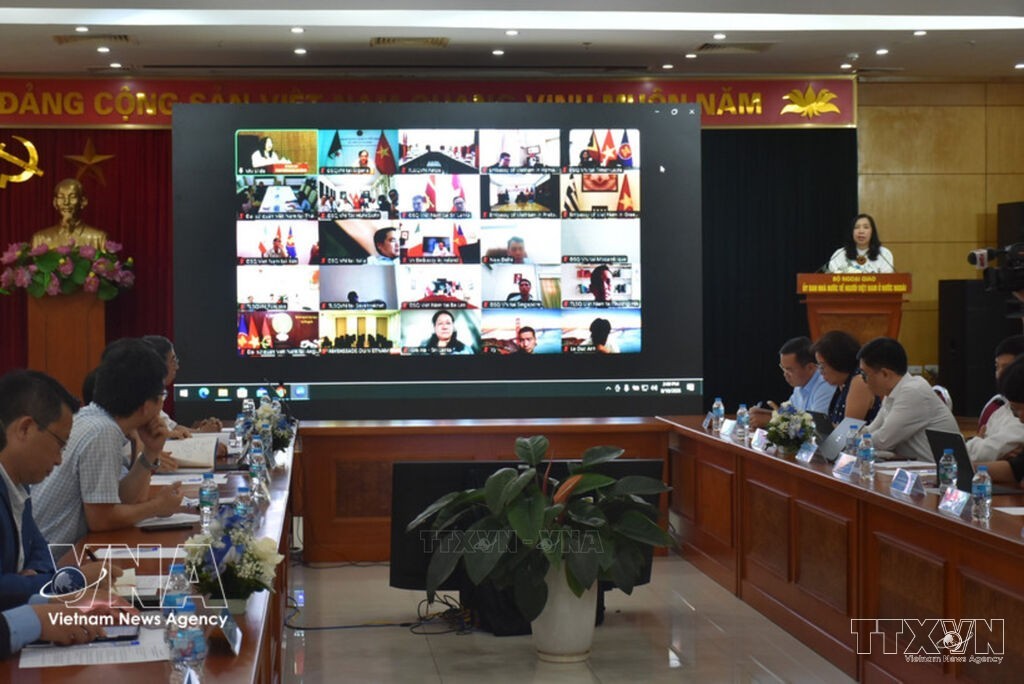
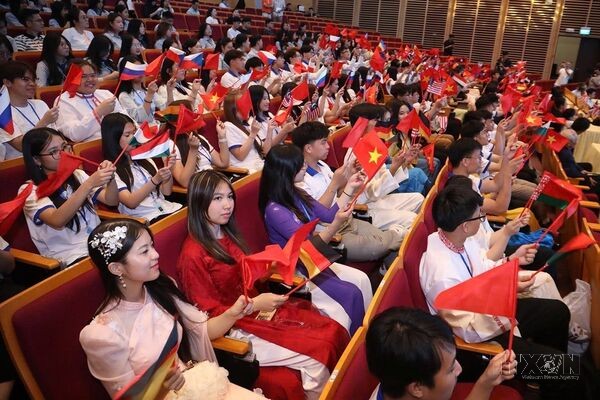
Overview of the workshop on building and developing networks of experts and intellectuals in strategic technology fields. (Photo: VNA)

Hanoi (VNA) – The State Committee for Overseas Vietnamese under the Ministry of Foreign Affairs held a workshop in Hanoi on August 10 to discuss building and developing networks of overseas Vietnamese (OV) experts and intellectuals in strategic technology fields.

Addressing the event, Deputy Minister of Foreign Affairs Le Thi Thu Hang highlighted two major new points in the Political Bureau’s Resolution No. 23-NQ/TW, dated August 2, 2026, on OV affairs.

The resolution affirms that overseas Vietnamese are not only an inseparable part of the Vietnamese community but also an important strategic resource contributing to national strength, serving as a bridge between Vietnam and the world, and directly joining the cause of national construction, development and defence.

The resolution also represents a shift in thinking from mobilising and gathering OVs to accompanying them and creating mechanisms and conditions for their deeper engagement in national development and international integration from an early stage and from afar.

Hang stressed the need to tap the intellectual, scientific, technological and innovation resources of the Vietnamese community abroad. The community numbers around 6.5 million in more than 130 countries and territories, including approximately 650,000 with university degrees or higher.
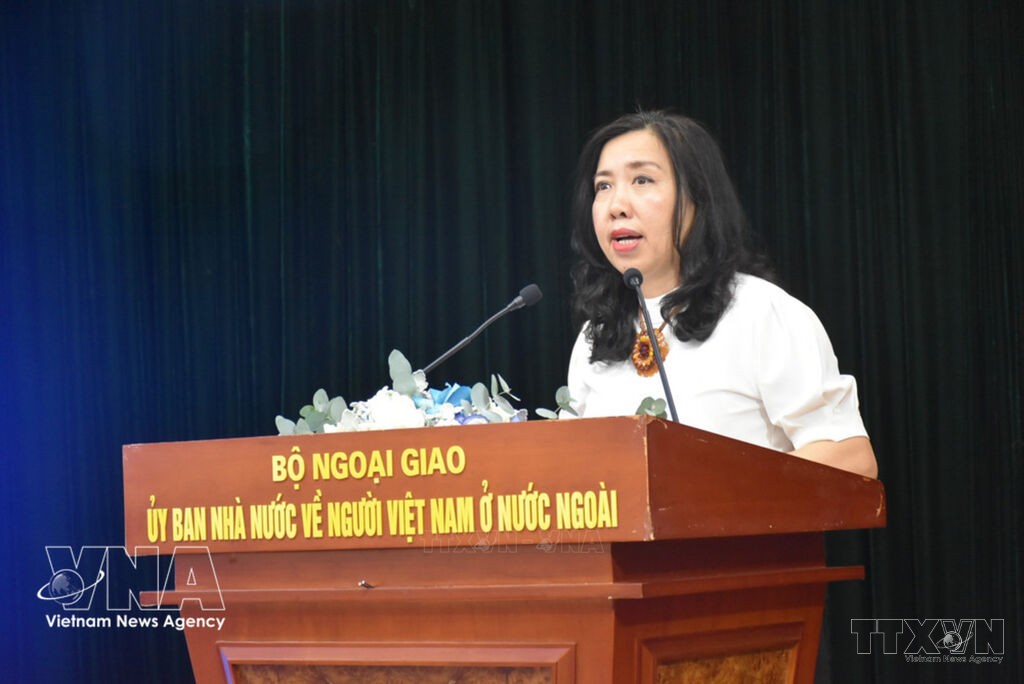
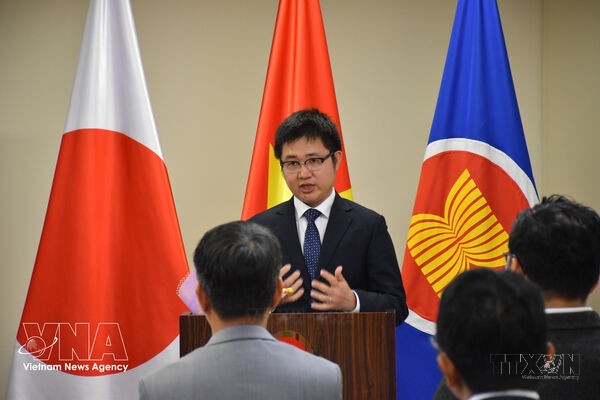
Deputy Minister of Foreign Affairs Le Thi Thu Hang speaks at the workshop. (Photo: VNA)

In recent years, networks of OV experts and intellectuals have been established, with nearly 2,000 members. Five innovation and expert networks have also been formed in strategic technology areas such as artificial intelligence, semiconductors, quantum technology, cybersecurity, aviation, aerospace and unmanned aerial vehicles, connecting around 50 expert and intellectual associations overseas.

However, the potential of OV experts and intellectuals has yet to be fully tapped, she noted, calling for stronger links between overseas expertise and domestic needs.

Participants proposed shifting from efforts to bring individual experts back to Vietnam toward mobilising “global Vietnamese intelligence” through specific tasks and practical challenges. They suggested establishing a “national challenge bank” and interconnected digital platforms to directly match the needs of businesses and localities with global expert networks.

The “Technology Train” model, featuring five steps – receiving needs, connecting resources, developing projects, implementation, and evaluating and scaling up results – was also highlighted as a promising approach.

Participants further called for an improved institutional framework, including appropriate remuneration for expert contributions involving data security and intellectual property, as well as a fair and transparent working environment to encourage OV intellectuals to contribute to national development./.
Related News


See Also

PM calls for people-centred cybersecurity protection

Prime Minister Le Minh Hung has stressed that cybersecurity must combine the protection of information systems with the protection of people, describing citizens’ safety, security and well-being as the ultimate measure of all cyber policies.

Vietnamese, Thai leaders pledge closer legislative cooperation

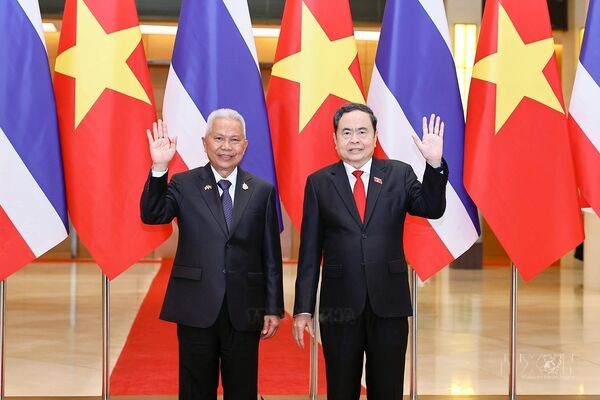
National Assembly Chairman Tran Thanh Man and President of the National Assembly and Speaker of the House of Representatives of Thailand Sophon Zaram have agreed to work closely to effectively implement cooperation agreements between the two legislatures, while expanding parliamentary exchanges and coordination in support of the Vietnam–Thailand Comprehensive Strategic Partnership.

Vietnam reaffirms commitment to global peace, nuclear disarmament

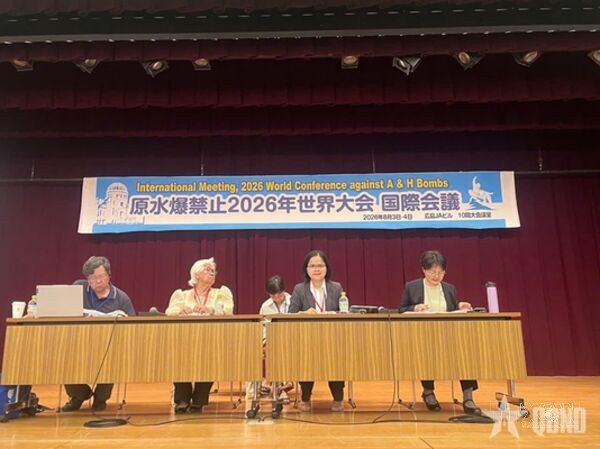
At the conference's official opening session, Duong Thi Nga, VPC Deputy Secretary-General, presented a message from General Secretary of the Communist Party of Vietnam’s Central Committee and State President To Lam to the organisers. The message was formally read before delegates at the international plenary session, while Japanese and English translations were distributed throughout the conference.

Government adopts action programme on environmental protection, climate resilience

The programme aims to translate the Party's orientations into concrete actions while strengthening environmental governance, enhancing climate resilience, and promoting a green, circular and low-carbon economy. It will serve as the basis for ministries, sectors and localities to formulate implementation plans for the 2026–2030 period, with a vision to 2045.

50 years of Vietnam–Thailand diplomatic relations: Comprehensive Strategic Partnership continues to flourish

Over the five decades since Vietnam and Thailand established diplomatic relations on August 6, 1976, bilateral ties have steadily strengthened and expanded across a wide range of fields. Since the relationship was elevated to a Comprehensive Strategic Partnership in May 2025, cooperation has become increasingly substantive and effective, serving the shared interests of both peoples and contributing to peace, cooperation and development in the region and beyond.

Lawmakers propose stronger safeguards for Vietnamese workers abroad

Some workers use labour contracts to enter a foreign country before absconding, either shortly after arrival or when their contracts are about to expire, in search of higher wages. Meanwhile, Vietnamese companies that win contracts abroad often face difficulties in determining which authority is responsible for handling procedures for Vietnamese workers overseas.

Resolution outlines Vietnam's new development model by 2045

On behalf of the Party Central Committee, Party General Secretary and State President To Lam signed Resolution No. 19-NQ/TW on July 28, 2026 on renovating Vietnam's development model. The resolution aims to help realise the country's aspiration of becoming a high-income developed nation by 2045.