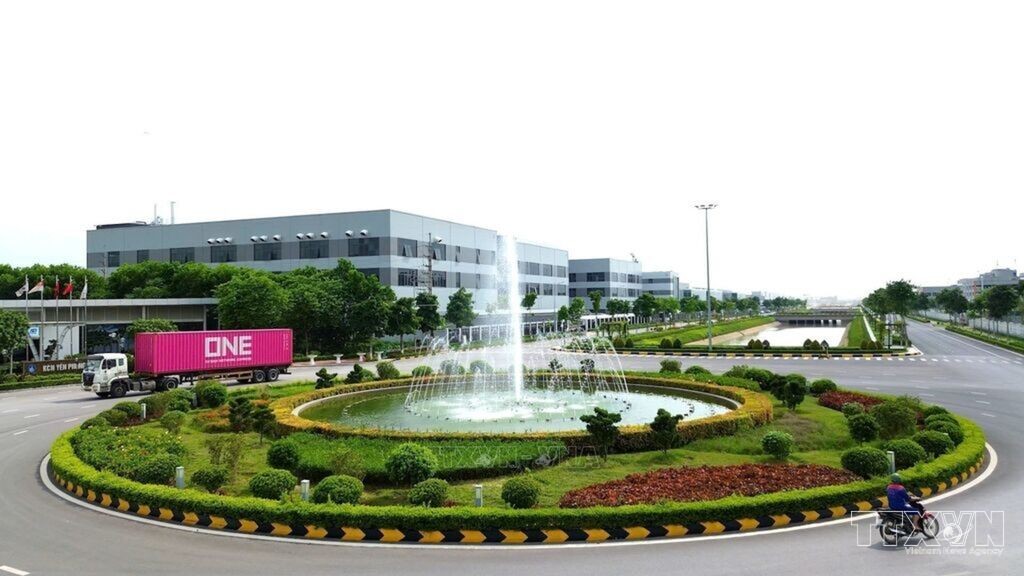
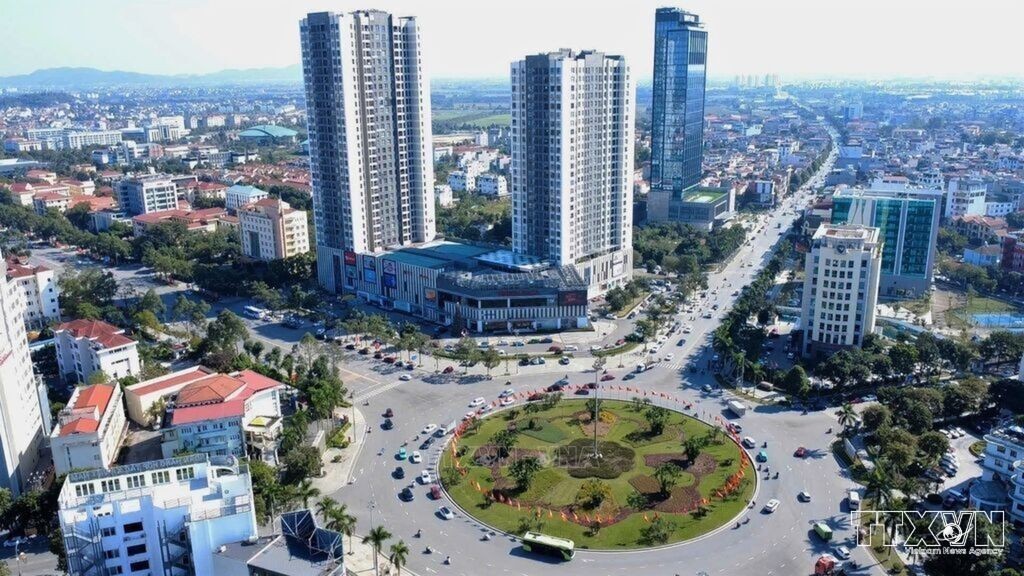
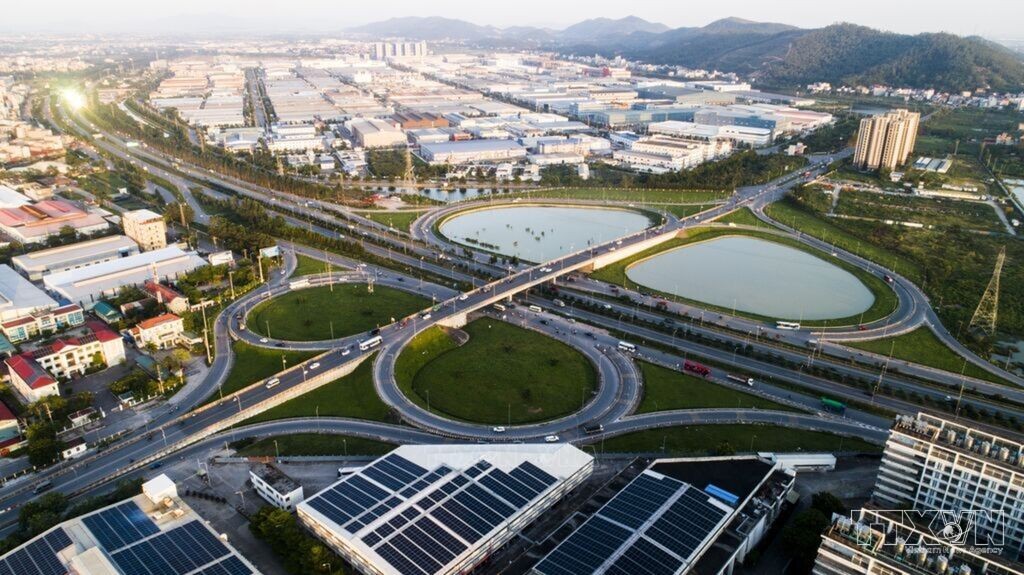
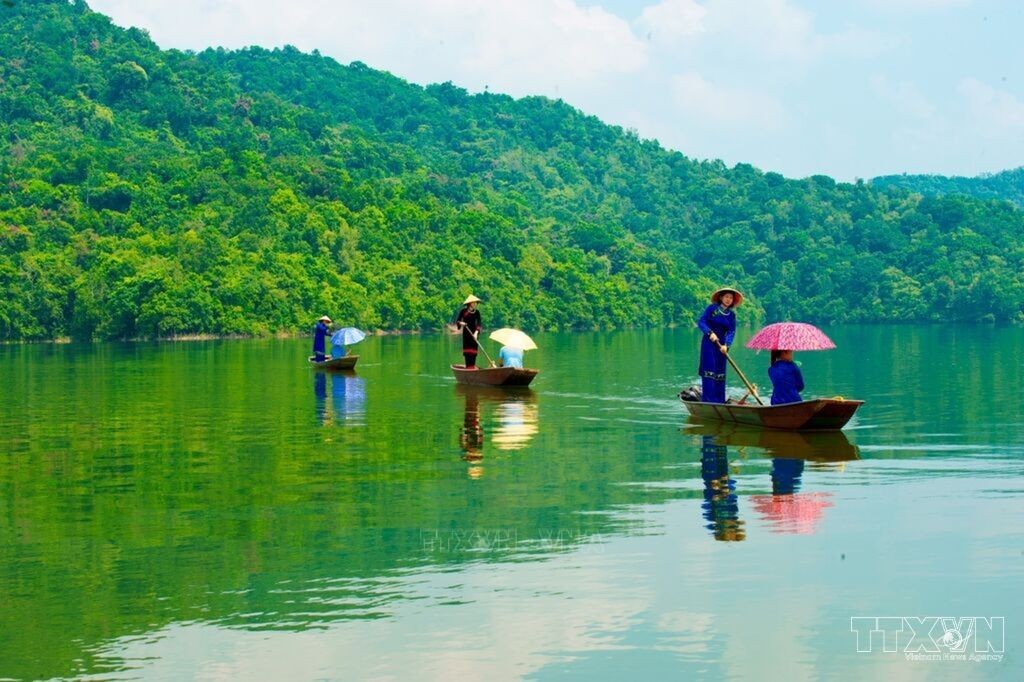
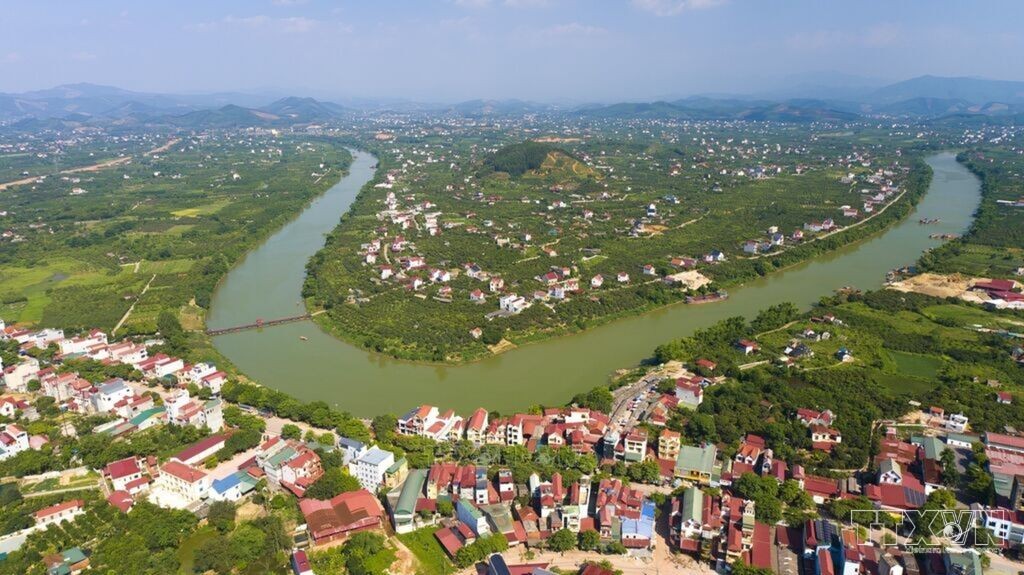
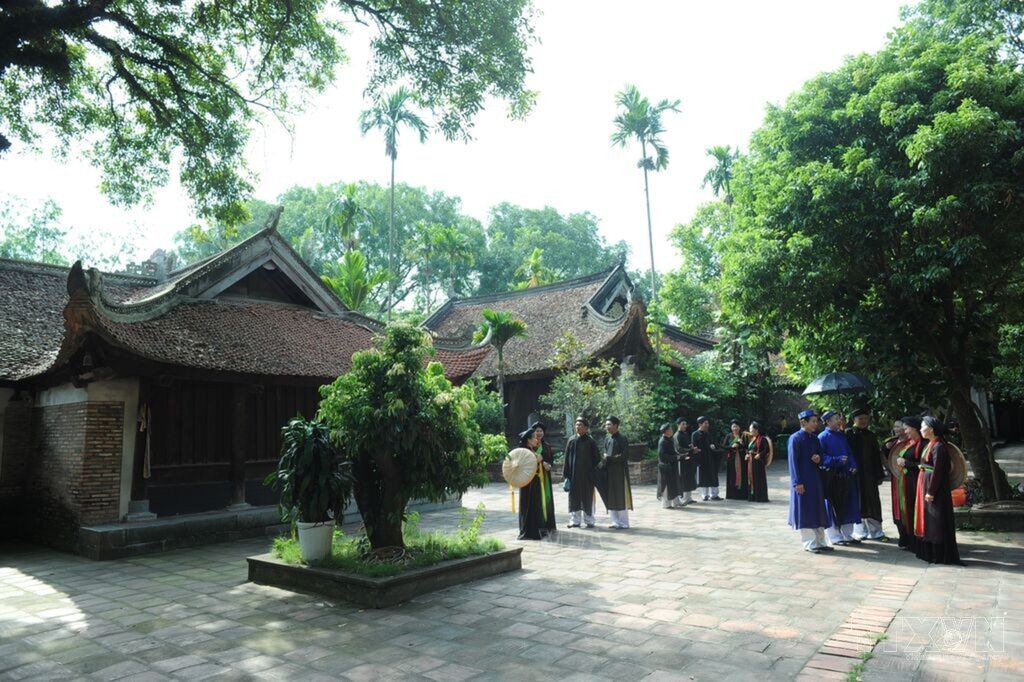
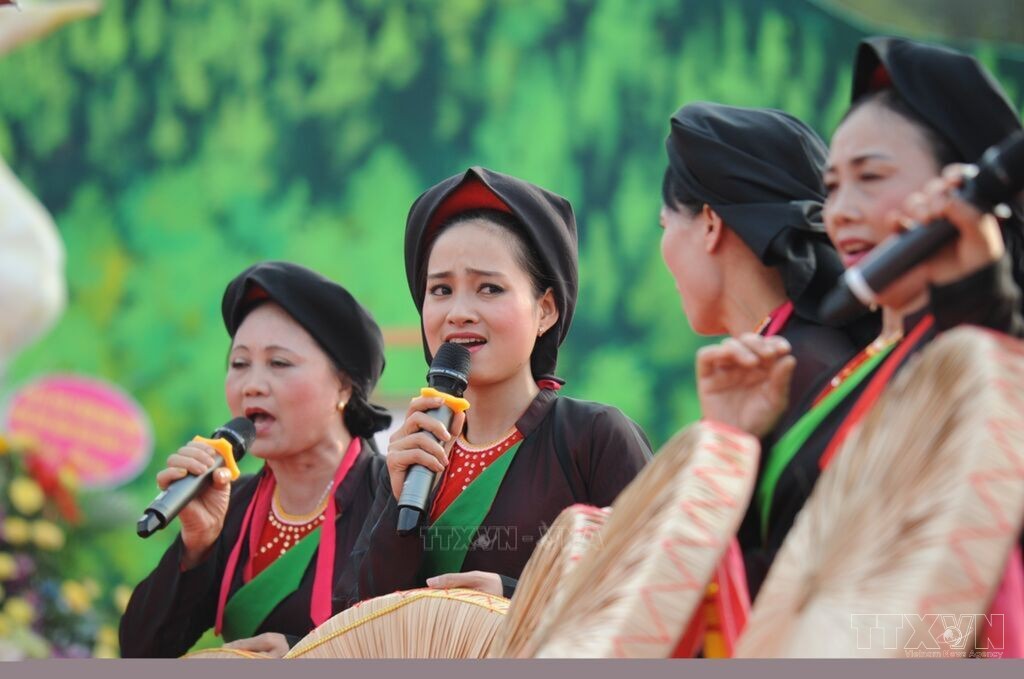
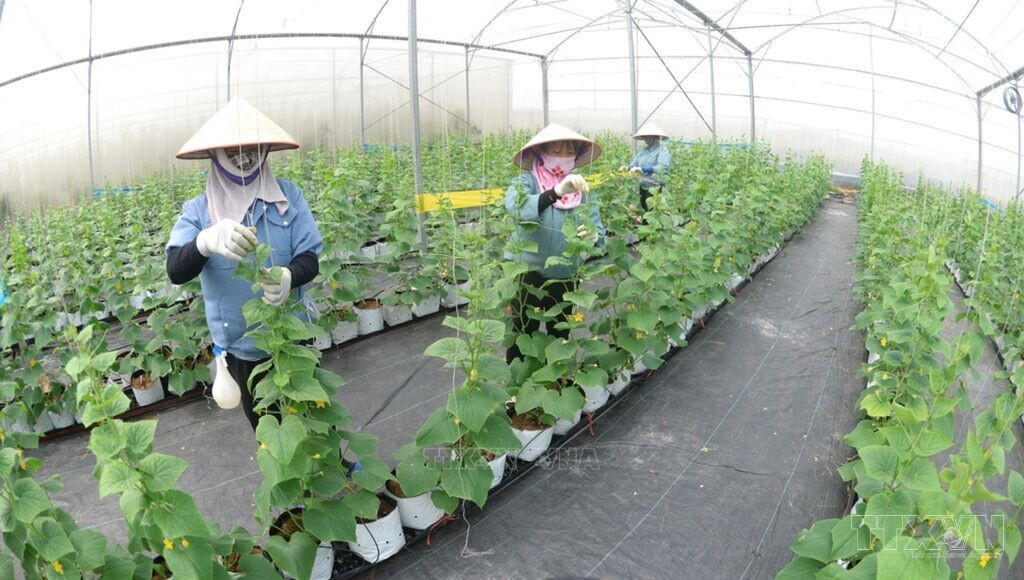
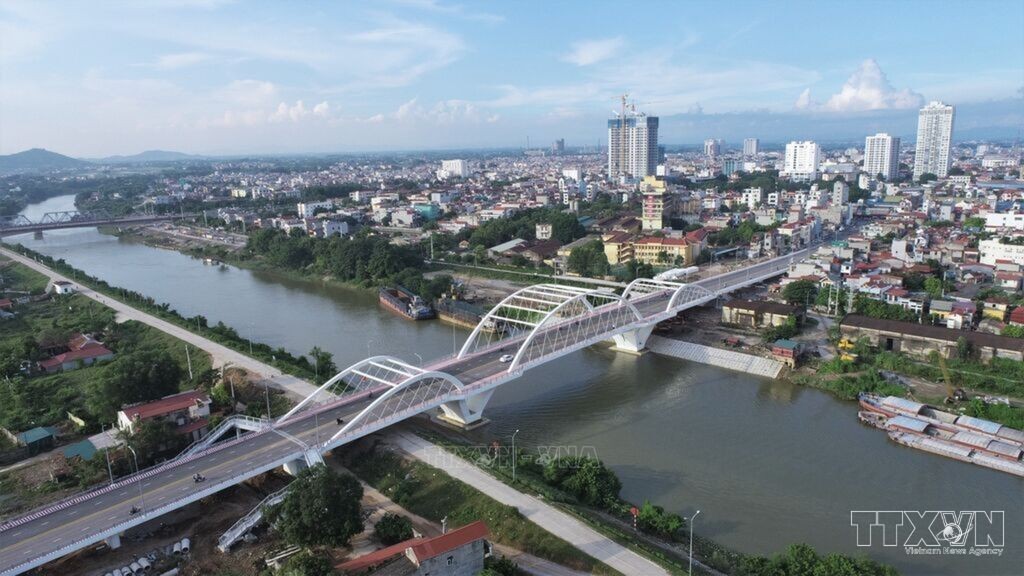
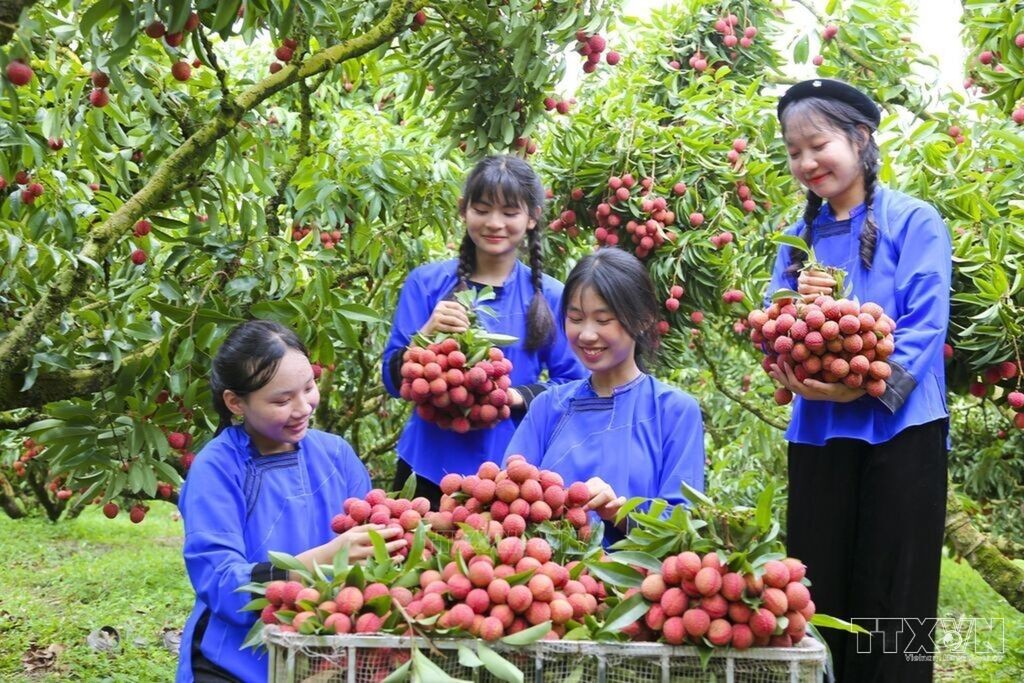
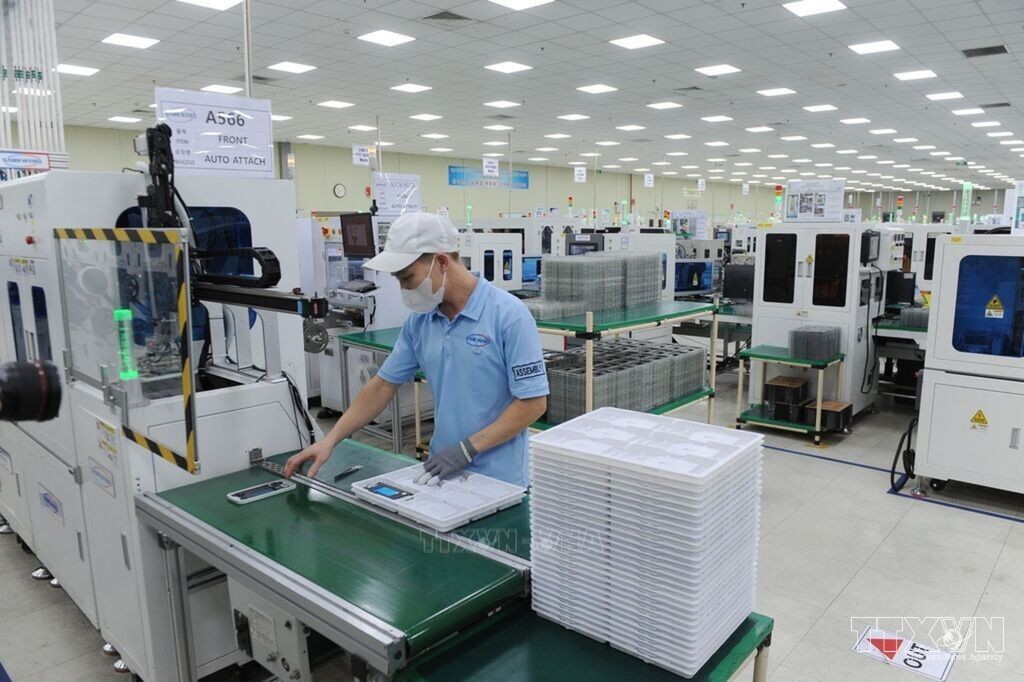
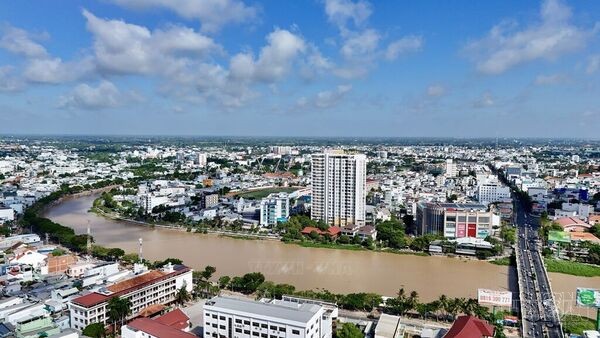
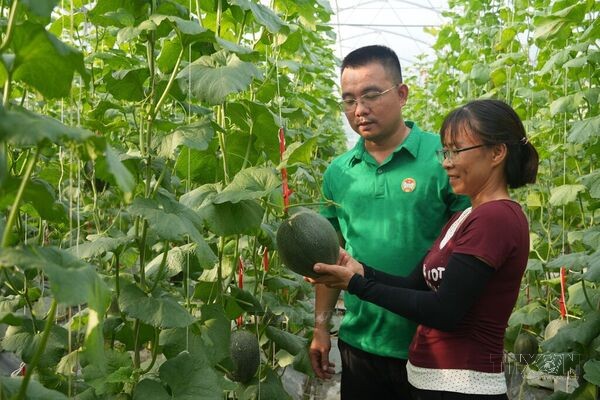
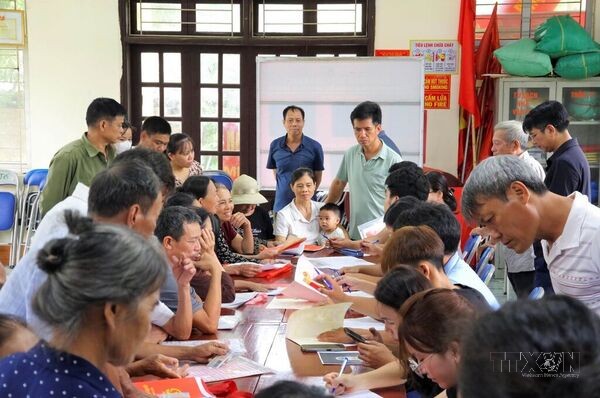
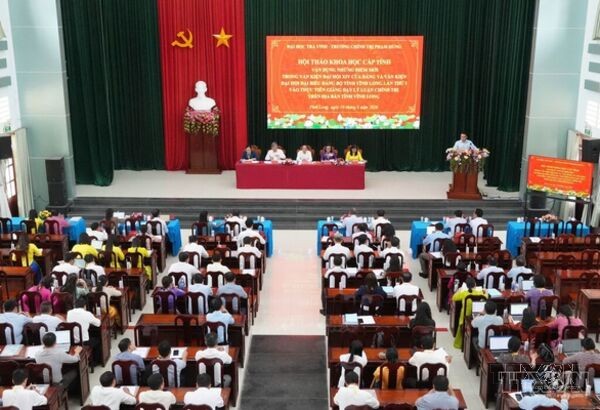
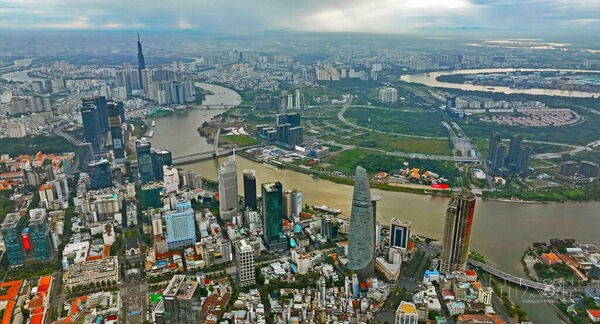
Yen Phong II-C Industrial Park – a typical green industrial park in Bac Ninh Province. Photo: Viet Hung – VNAAn intersection in Kinh Bac Ward, Bac Ninh Province. Photo: Viet Hung – VNAImproved transport connectivity infrastructure provides a driving force for Bac Ninh's economic development. Photo: Viet Hung – VNACam Son Lake, dubbed “Ha Long Bay on land,” is an attractive tourist destination in Bac Ninh. Photo: Viet Hung – VNAA fertile countryside in the upper reaches of the Luc River, Phuong Son Ward, Bac Ninh Province. Photo: Viet Hung - VNAVinh Nghiem Pagoda in Bac Ninh, a special national relic of Vietnam, is part of the Yen Tu - Vinh Nghiem - Con Son, Kiep Bac complex of historical sites and scenic landscapes, a UNESCO-recognized World Cultural Heritage site in Vietnam. Photo: Viet Hung – VNABac Ninh Quan Ho folk singing – a UNESCO Representative Intangible Cultural Heritage of Humanity. Photo: Viet Hung – VNAHigh-tech agricultural production at Yen Dung Clean Vegetable Cooperative in Bac Ninh Province. Photo: Viet Hung – VNABac Giang urban area – the administrative center of Bac Ninh Province. Photo: Viet Hung – VNALuc Ngan lychee is a specialty fruit crop that generates trillions of Vietnamese dong in annual revenue for Bac Ninh Province. Photo: Viet Hung – VNAThe electronic component manufacturing plant of Samkwang Company in Quang Chau Industrial Park, Bac Ninh Province. Photo: Viet Hung – VNA
Bac Ninh aims to become green, civilized, modern city, rich in cultural identity
The Party Central Committee and the Politburo have agreed in
principle to establish Bac Ninh as a centrally governed city. The proposal to
establish Bac Ninh as a centrally governed city has been approved by the
Government and submitted to the National Assembly for consideration and
approval at its August 2026 session. Bac Ninh is expected to officially become
a centrally governed city on September 20, 2026, in accordance with a
resolution of the National Assembly. Bac Ninh is undergoing comprehensive
development and transformation, aspiring to become a green, civilized and
modern urban area while preserving the cultural values that have shaped the
distinctive identity of the Kinh Bac region. Photo: Viet Hung – VNA