 |
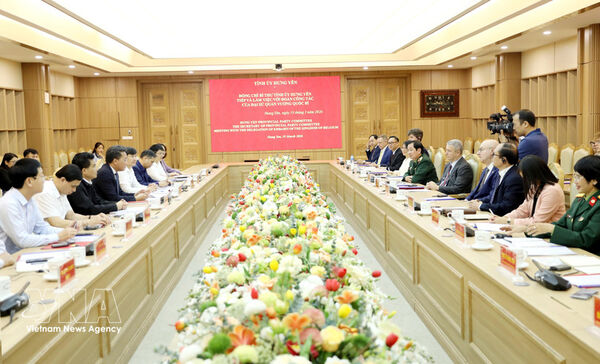
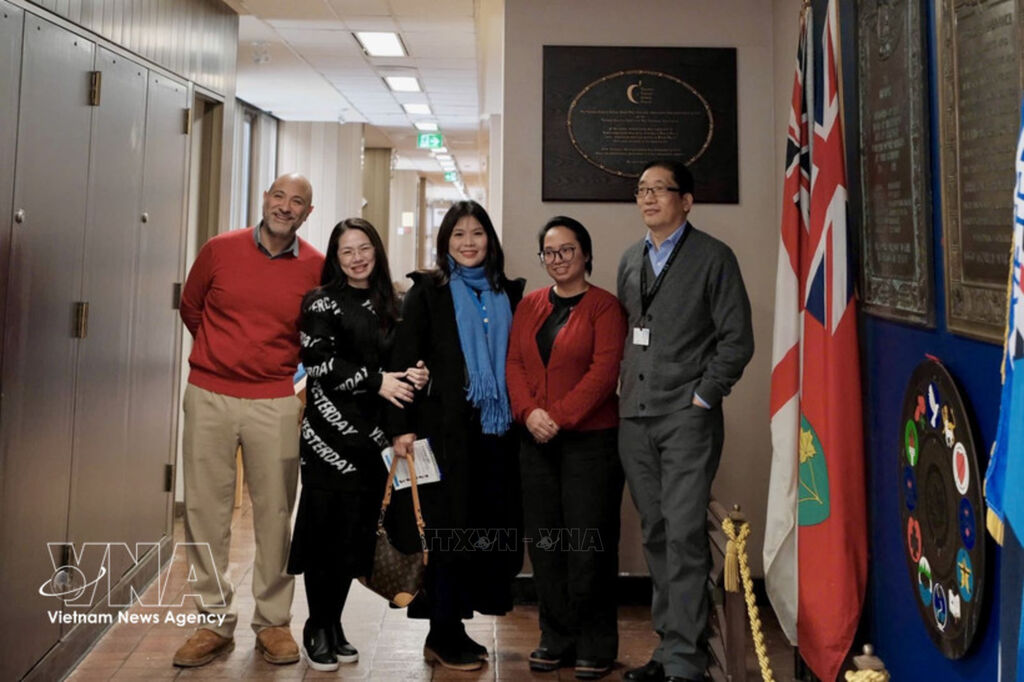
| CVCEC and TDSB representatives at a working session in Toronto (Photo: VNA) |
Toronto (VNA) – New efforts are under way to help Vietnamese students pursue international education from secondary school, as the Canada – Vietnam Cultural Education Council (CVCEC) moves to strengthen cooperation with the Toronto District School Board (TDSB).
The initiative aims to create an educational bridge that will enable students to access Canada’s public school system at an earlier stage and better adapt to global learning environments.
The TDSB, Canada’s largest public school authority, serves about 240,000 students at more than 580 schools across Toronto. Known for its multicultural setting, inclusive policies and well-developed support services for international learners, the system is widely seen as an attractive destination for Vietnamese students seeking overseas study opportunities during their high school years.
Closer collaboration between the CVCEC and TDSB is expected to broaden academic options while strengthening educational ties and cultural exchange between Vietnam and Canada. As interest among Vietnamese families in Canada’s public education model continues to grow, establishing reliable institutional partnerships and information channels has become increasingly important.
CVCEC founder Phan Thi Quynh Trang said more Vietnamese parents and students are drawn to an education system that fosters not only academic achievement but also independent thinking, creativity and global integration skills. She expressed her hope that dialogue with the TDSB would help identify practical forms of cooperation to enhance student mobility and mutual understanding.
As a non-profit organisation, the CVCEC focuses on academic guidance, preparatory training and integration support for students arriving in Canada. It is working towards developing a student exchange framework with the TDSB that would allow Vietnamese learners to gain early exposure to international study environments.
Initial steps could include professional exchanges, pilot mobility programmes and joint educational or cultural activities. The CVCEC also aims to act as a facilitator linking education partners in both countries and supporting the development of sustainable cooperation initiatives.
A proposed “competency assessment and preparation centre” in Vietnam is being considered to equip students with the academic readiness and cultural awareness needed for overseas study. The initiative is expected to help ease concerns among families about sending children abroad at a young age by providing a more structured and dependable support ecosystem.
According to Nguyen Kim, a Master of Education graduate from the University of Toronto, cooperation with Vietnamese secondary schools may involve academic assessments, exchange activities and pre-departure preparation programmes to ensure students are not only admitted but also well prepared for long-term study and life in Canada.
By building a comprehensive support framework, from skills assessment and academic preparation to school partnerships and cultural integration, CVCEC hopes to create a clearer and more sustainable pathway for Vietnamese students to study abroad from an earlier stage./.