 |
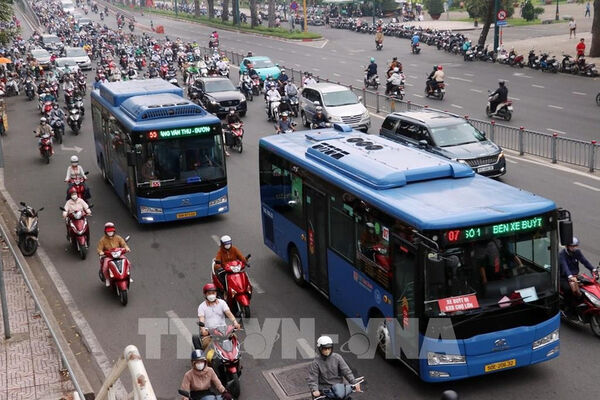
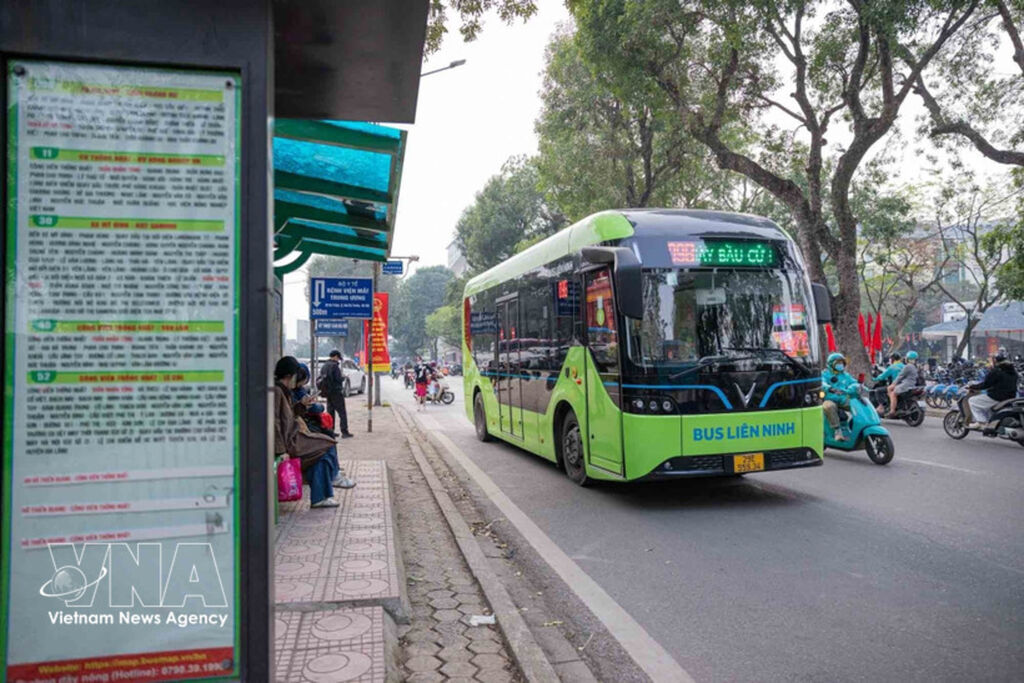
| Illustrative photo (Photo: VNA) |
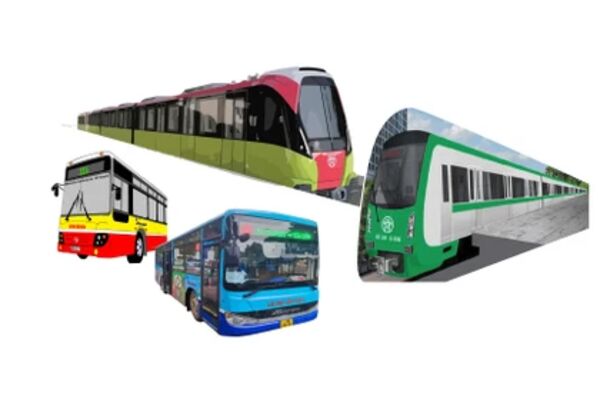
Hanoi (VNA) – Hanoi and Ho Chi Minh City are rolling out free bus fare policies in a move aimed at encouraging greater use of public transport, reducing dependence on private vehicles and supporting the transition to greener urban mobility.
From July 1, Ho Chi Minh City will waive fares on 134 bus routes, including 109 subsidised and 25 non-subsidised services, with the policy remaining in effect through the end of 2026.
The programme will be implemented in two phases. Between July and September, passengers can travel free of charge without registering or using electronic tickets, while transport operators will be reimbursed based on trip revenue.
From October, passengers will continue to ride free but will need to verify their journeys using digital payment methods such as bank cards, e-wallets, VNeID accounts, MultiGo app or other electronic platforms. Ticketing data will be used to calculate payments for operators based on actual passenger numbers.
The city said separate guidelines will be introduced to ensure convenient access for elderly passengers, people with disabilities, students and other priority groups.
For many commuters, the policy offers more than financial savings.
Nguyen Thi Huyen, who regularly travels by bus to work, said fares are relatively affordable, but monthly transport costs can still add up.
"Free bus travel will help reduce living expenses. More importantly, it may encourage people who usually travel by motorbike to try public transport," she said.
Lan Anh, an office worker, believed buses could become a practical daily transport option if services become more convenient.
"Passengers need more than free fares. Better bus shelters, smoother connections with the metro, water buses and public bicycles, as well as friendlier services, are equally important," she said.
According to Tran Quang Lam, Director of the municipal Department of Construction, the fare exemption is part of a broader strategy to modernise the city's public transport network. Alongside expanding green transport, authorities are upgrading bus stops and waiting areas while improving service quality.
Ho Chi Minh City's public transport system currently comprises Metro Line No. 1 and 180 bus routes. Of the city's 2,432 buses, 1,649 already operate on electricity or other environmentally friendly fuels. The city aims to convert all locally operated buses to green energy by early 2027.
Meanwhile, Hanoi has also adopted a free bus fare policy as part of a broader package encouraging cleaner transport and public transit use.
Under a resolution approved by the municipal People's Council, passengers travelling from within Ring Road 1 will be exempt from bus fares, except on tourist bus services, from July 1, 2026 to June 30, 2027. The policy applies regardless of whether journeys remain within the central area or continue to suburban districts.
Hanoi authorities said the measure is designed to support residents most affected by the roadmap for low-emission zones and restrictions on fossil fuel-powered vehicles. By making public transport more attractive during the transition period, the city hopes to encourage people to gradually change their travel habits before tighter vehicle controls take effect.
Besides its environmental benefits, people said free bus travel could also boost tourism in the capital, as many tourist attractions are located in the city centre./.