 |
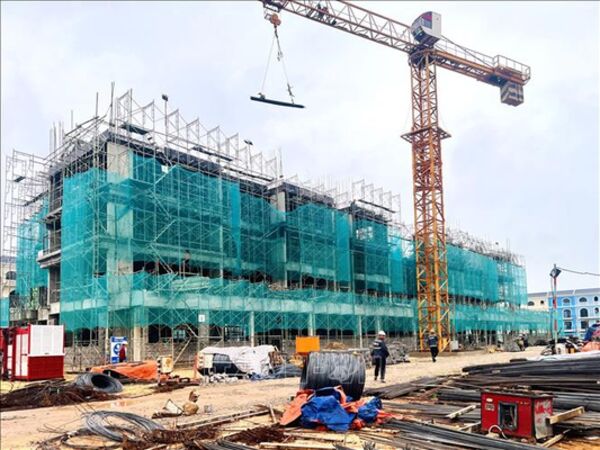
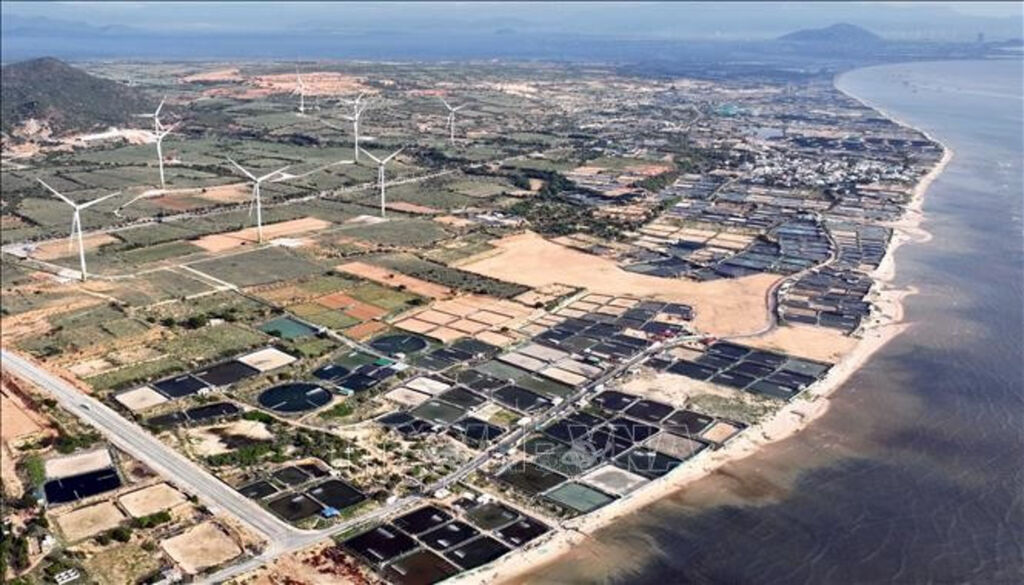
| A view of the site where the Ninh Thuan 1 Nuclear Power Plant is located in Phuoc Dinh commune, Khanh Hoa province (Photo: VNA) |
Hanoi (VNA) – Prime Minister Pham Minh Chinh has signed a decision approving a scheme on information and communications for the development and application of nuclear energy serving socio-economic development through 2035.
The scheme aims to strengthen information dissemination and public communications to enhance awareness and understanding of the benefits, effectiveness and contributions of nuclear energy, particularly nuclear power, to national development, thereby enhancing consensus among authorities, sectors and the public, promoting a culture of nuclear safety and security, and facilitating the effective implementation of nuclear energy-related programmes and projects in the new development phase.
By 2030, priority will be given to improving information and communication capacity across ministries, sectors, localities and relevant agencies, while gradually forming a pool of communicators equipped with basic knowledge of nuclear energy and nuclear power.
According to the roadmap, by 2027 the Ministry of Science and Technology (MoST), the Ministry of Industry and Trade (MoIT), Khanh Hoa and Dong Nai provinces, Vietnam Electricity, and Vietnam National Industry–Energy Group will establish dedicated sections on nuclear and atomic energy on their official websites. Other ministries, sectors and localities will regularly update nuclear energy-related information on their official portals.
The scheme targets that by 2027 around 60% of leaders, managers, civil servants and public employees in relevant ministries and localities will acquire basic knowledge of nuclear energy development and application. In parallel, the professional capacity of reporters, editors and information officers covering the sector will be strengthened.
Public communication activities will be carried out in areas hosting nuclear power projects, research reactors and nuclear application facilities. By 2027, about 50% of residents in these areas are expected to receive basic information on the role and benefits of nuclear energy, regulations on nuclear safety and security, and radiation and nuclear emergency response.
In the education sector, approximately 70% of secondary school and university students in Khanh Hoa and Dong Nai provinces will be provided with extracurricular knowledge on nuclear energy and nuclear power through appropriate education and communication programmes by 2027.
Each year, the number of news items and features, broadcast time and audience reach related to nuclear energy and nuclear power on platforms of Vietnam Television, the Voice of Vietnam, the Vietnam News Agency and other central and local media outlets is expected to increase by an average of 10%.
By 2035, the scheme will be expanded nationwide, with further improvements in the quality of information and communication activities. At least 80% of leaders, civil servants and public employees under the MoST, the MoIT, the Ministry of Health, and the Ministry of Agriculture and Environment, and at least 30% in other relevant ministries and sectors are expected to have access to nuclear energy-related information.
The scheme covers the Party’s guidelines and the State’s policies and laws on nuclear energy development, nuclear safety and security, domestic and international trends, and applications of nuclear energy in health care, industry, agriculture and environmental protection.
Funding will come from the State budget for science, technology, innovation and digital transformation, along with other lawful sources. The MoST will serve as the lead agency coordinating implementation, monitoring and reporting./.