 |
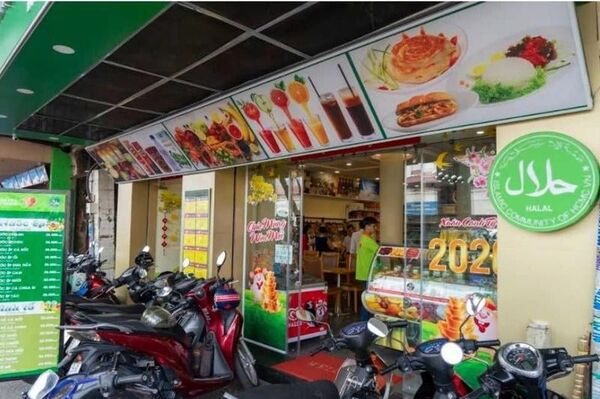
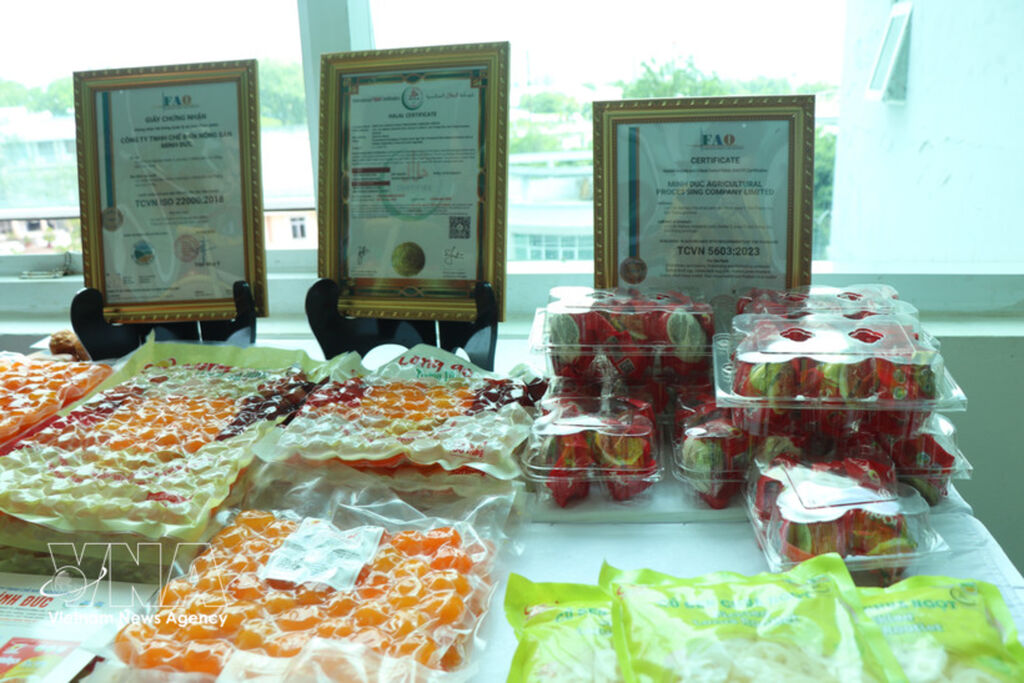
| Salted egg products of Minh Duc Company in Can Tho city have obtained Halal certification (Photo: VNA) |
Hanoi (VNA) – The Government’s issuance of Decree No. 127/2026/ND-CP dated April 6, 2026 on quality management and development policies for Halal products and services has created an important legal foundation for Halal production, business and certification activities in Vietnam, according to Vice Chairman of the Commission for Standards, Metrology and Quality of Vietnam (STAMEQ) Tran Hau Ngoc.
Ngoc said standards, quality and conformity assessment serve as an important foundation for building market trust and enhancing the competitiveness of Vietnamese Halal products. If “standards and quality” are considered a “technical passport” for Vietnamese goods to enter global markets, Halal will open the door to a promising new market space for Vietnam in the coming period, he stressed.
Vietnam is actively implementing major policies of the Party and State on the development of science, technology, innovation and national digital transformation in line with the Politburo’s Resolution No. 57-NQ/TW, while promoting export market diversification, improving competitiveness and integrating more deeply into global supply chains. Against this backdrop, the Halal market is emerging as one of the world’s fastest-growing and largest markets. Halal is no longer confined to the food sector but is developing into a comprehensive economic ecosystem covering food and beverages, cosmetics, pharmaceuticals, logistics, tourism, finance and Muslim-friendly services.
According to standards experts, Halal should not only be viewed from a religious perspective, but more importantly as an issue of quality standards, production governance and market access in line with modern consumer trends. The field offers substantial room for growth and practical business opportunities for Vietnam if approached properly and in full compliance with Halal standards. Vietnam’s strengthened cooperation with international Halal certification organisations, Islamic countries and ASEAN partners is also opening up new opportunities for the country to access the global Halal market.
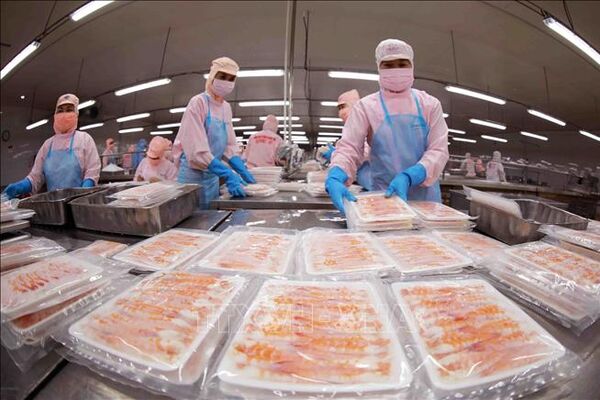
Vietnam holds various advantages for developing the Halal industry, including abundant agricultural resources, improved production capacity, an extensive export business network and a favourable position within regional supply chains. However, to penetrate the Halal market more effectively, businesses must not only meet Halal certification requirements but also establish synchronised quality management systems, ensure standards and metrology compliance, enhance traceability and information transparency, and satisfy increasingly stringent technical requirements in the digital era.
STAMEQ Chairman Nguyen Nam Hai said Halal development should be based on three key pillars: improving the standards system, enhancing certification capacity and strengthening State management effectiveness, with the national standards system (TCVN) serving as the foundation for all quality management activities.
To implement Decree No. 127/2026/ND-CP, the Vietnam National Standards & Quality Institute is coordinating with technical committees to propose additional standards, including general standards for Halal products and services and standards for Halal food. The goal is to build a comprehensive and synchronised standards system that meets domestic demand while harmonising with international standards, particularly those of the Organisation of Islamic Cooperation (OIC) and the Standards and Metrology Institute for Islamic Countries (SMIIC).
The Ministry of Science and Technology is also promoting international cooperation and mutual recognition in the Halal sector through memoranda of understanding signed with Iran, Saudi Arabia and the United Arab Emirates (UAE).
To date, STAMEQ has granted Halal certification registration licences to three organisations, which have certified more than 1,000 Vietnamese enterprises across various sectors, contributing to positioning Vietnam as a key link in the global Halal supply chain./.