 |
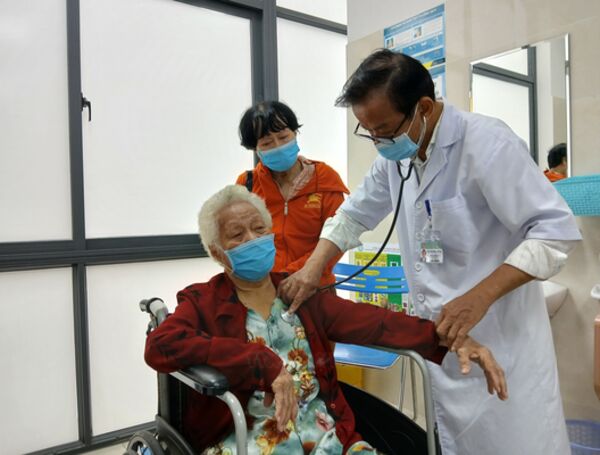
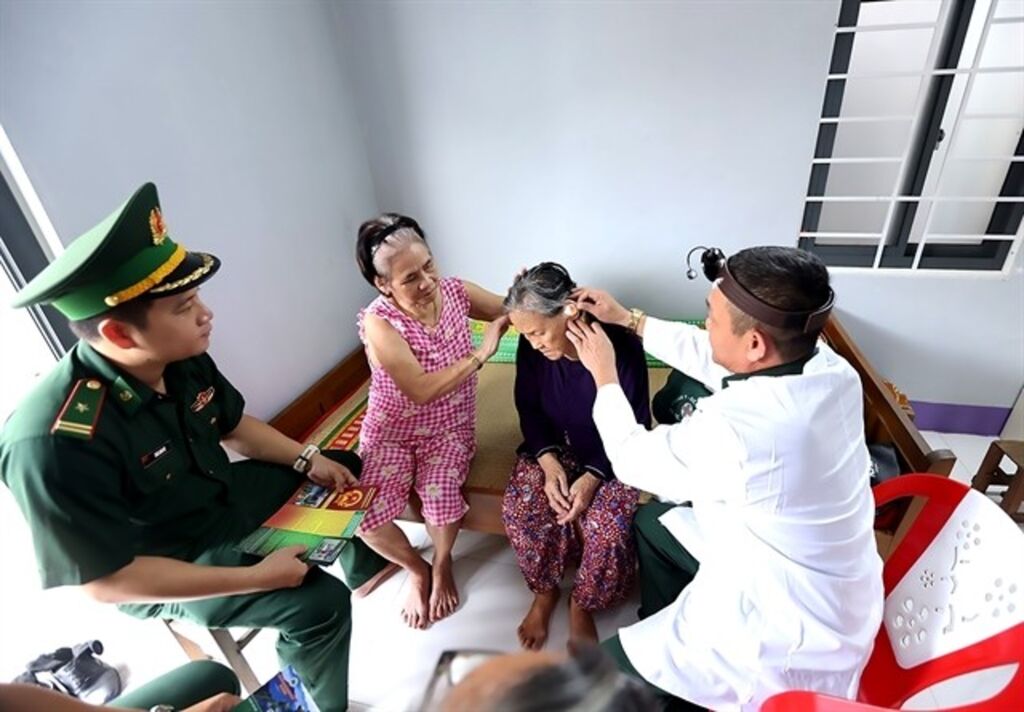
| Health check-up offered to citizens in Gia Lai province. (Photo: VNA) |
Hanoi (VNS/VNA) - The Ministry of Health has proposed three phases for hospital fee exemptions, aiming for all citizens to be exempt from basic medical examination and treatment costs within the scope of health insurance benefits by 2030. The ministry has proposed a roadmap under which, from 2026 to 2027, citizens will receive free periodic health check-ups or screenings at least once a year, based on target groups and priority schedules. Health insurance participants from near-poor households and those aged 75 and above who are receiving social pension allowances will be entitled to 100% coverage of medical examination and treatment costs within the scope of health insurance benefits. With this addition, there are now 11 groups whose medical examination and treatment costs are fully covered by the health insurance fund. From 2028 to 2030, out-of-pocket spending by citizens on health care services will be reduced to 30% or less. Health insurance coverage rates and payment levels will continue to increase while health insurance reimbursement for preventive services will be implemented. After 2030, efforts will focus on achieving universal health insurance coverage and providing free hospital fees for all citizens within the basic service package, with gradual expansion in line with available resources. According to Tran Thi Trang, head of the Health Insurance Department under the Ministry of Health, whether or not a policy of free hospital fees is implemented, it will still be necessary to increase health insurance contribution rates to meet treatment needs for both the public and insured participants. Currently, health insurance contributions in Vietnam remain low, while demand for medical care continues to rise and changes in disease patterns are causing out-of-pocket spending by citizens to increase. For groups currently entitled to 80–95% coverage, the health insurance fund will pay 100% of medical costs if they fall into one of the following three cases. First, when the cost of a single medical visit is lower than 15% of their base salary. Second, when patients seek medical examination and treatment at commune health stations, family medicine clinics, military-civilian medical stations, military-civilian clinics or health care facilities of agencies and units. Finally, when patients have participated in health insurance continuously for five years or more and their total co-payment for medical examination and treatment in a year exceeds six times the reference level set at 14.04 million VND for 2026./.