Heritage rail journey brings new identity to central Vietnam tourism
The heritage train offers passengers not only a means of transport, but also a sense of connection linking destinations across central Vietnam, tourism with transport, and nostalgic memories with contemporary experiences. While older travellers are reminded of journeys from decades ago, younger passengers and international visitors are discovering a greener, culture-rich way to explore the region.
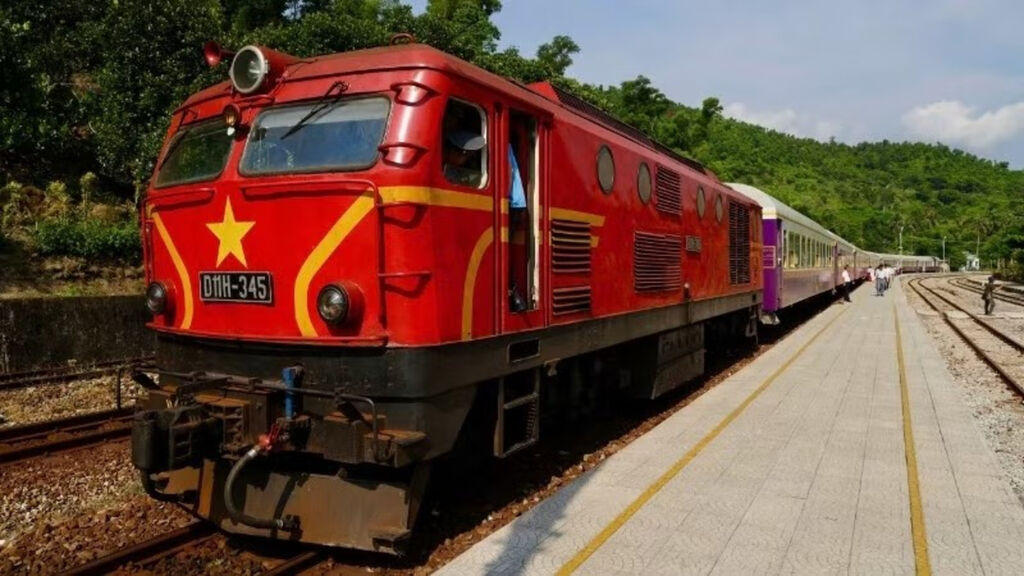
The Hue–Da Nang “Central Heritage Connection” train takes passengers along one of Vietnam’s most spectacular coastal railway routes. (Photo: nhandan.vn)

Hanoi (VNA) – More than just a scenic ride along one of Vietnam’s most spectacular coastal railway routes, the Hue–Da Nang “Central Heritage Connection” train is emerging as a distinctive cultural tourism experience where music, cuisine and landscapes come together to reshape the image of modern rail travel.

The heritage train offers passengers not only a means of transport, but also a sense of connection linking destinations across central Vietnam, tourism with transport, and nostalgic memories with contemporary experiences. While older travellers are reminded of journeys from decades ago, younger passengers and international visitors are discovering a greener, culture-rich way to explore the region.

A standout feature of the journey is the community carriage, transformed into a moving cultural space amid the dramatic scenery of central Vietnam. Traditional art troupes from Hue and Da Nang cities perform onboard, bringing the distinct cultural identities of each locality directly to passengers.

Regional cuisine also plays a central role in shaping the experience. Local specialties served on the train introduce travellers to the stories, ingredients and traditions behind each dish, allowing passengers to savour both flavours and cultural heritage throughout the journey.

Behind the service is the coordinated effort of railway engineers, operational staff and service personnel who work together to ensure both smooth operations and a memorable passenger experience.

Vietnam’s railway sector is seeking to modernise its image by integrating tourism, culture and experiential elements into rail services. Rather than focusing solely on infrastructure, the industry is paying greater attention to details such as clean carriages, welcoming community spaces, attentive onboard service and reliable operations.

The Hue–Da Nang heritage route is considered especially unique thanks to its passage through iconic destinations such as Hai Van Pass and Lang Co Bay, which are renowned for both natural beauty and cultural richness. These advantages provide strong potential for experiential tourism development.

The success of the train also relies on close cooperation among transport operators, local authorities, artists and onboard service teams. Cultural performances, regional culinary offerings and community-focused activities have helped create a travel experience distinct from other forms of transport.

However, maintaining such a service presents considerable challenges. The railway section crossing Hai Van Pass is known for difficult terrain and unpredictable weather, particularly during the storm season in central Vietnam. At the same time, organising performances and onboard catering requires seamless coordination among technical, logistics and service units.

Railway workers are also under constant pressure to innovate as passengers increasingly expect not only safe and punctual travel, but also comfort, cultural engagement and emotional value. Balancing strict operational standards with service innovation has therefore become a key task for the industry.

Looking ahead, the “Central Heritage Connection” train is expected to evolve beyond a transport-tourism product into a creative cultural space. Writers and artists joining railway-organised journeys have already found inspiration in the passing landscapes of Hai Van Pass, Lang Co Bay and the changing scenery outside the train windows.

Ideas under consideration include broadcasting poetry, essays and music inspired by central Vietnam and the railway journey through the train’s audio system, helping immerse passengers more deeply in the atmosphere of the heritage region.

Additional cultural products such as travel journals, illustrated postcards and collections of writings inspired by the route are also seen as potential souvenirs for visitors.

With such initiatives, the heritage train is gradually being shaped into a unique cultural ecosystem where each journey leaves passengers with lasting memories of central Vietnam’s heritage landscape./.

See Also

Thai media praise Vietnam U17’s historic World Cup qualification

Vietnam U17’s dramatic comeback win over the UAE to reach the quarter-finals of the AFC U17 Asian Cup and qualify for the FIFA U17 World Cup has attracted widespread attention from Thai media and football fans. Many described it as another milestone for Vietnamese youth football.

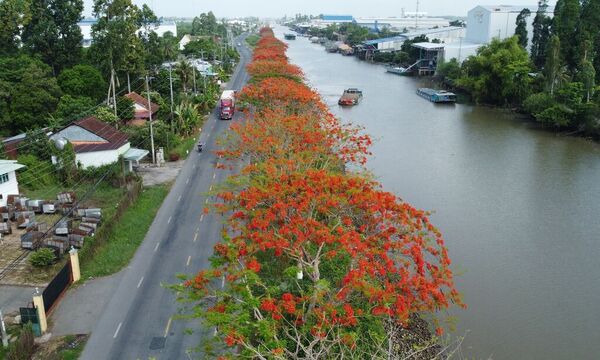
Brilliant red of royal poinciana lights up Dong Thap’s street

A four-kilometres section running through National Highway 80 in Lap Vo commune, Dong Thap province is filled with the bright and brilliant red of blooming phuong vi flowers (Royal poinciana). The trees are in full bloom in early May, marking the end of a school year and youth memories in Vietnam. Photo: Nhut An - VNA

Special classes in Tuyen Quang where teachers become students

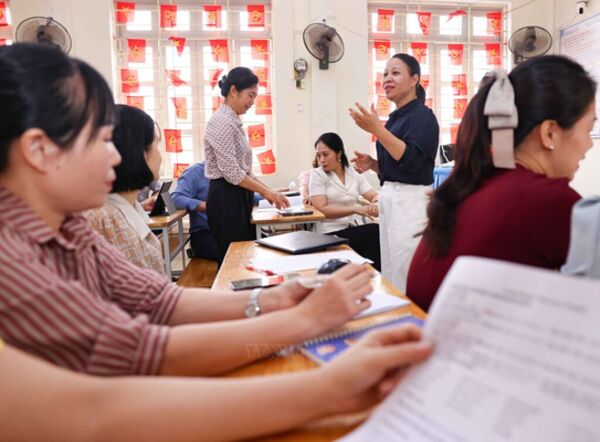
Every fifth period on Mondays and Tuesdays, Le Quy Don Secondary School in Minh Xuan Ward, Tuyen Quang organizes English classes for its administrators, teachers and staff, with the school’s own English teachers serving as instructors. The activity aims to help realize the education sector’s goal of making English a second language in schools while improving the quality of the teaching workforce. Photo: Thanh Tung - VNA

Coffee blossom season - romantic time in Son La

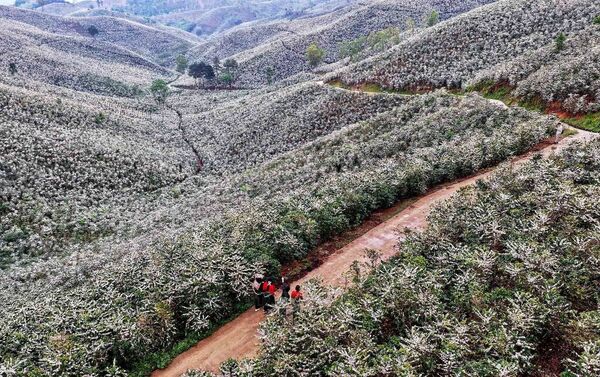
In late April and early May 2026, Son La province is adorned with the pristine white blossoms of coffee trees. Clusters of white flowers bloom across the hillsides, illuminating the entire mountainous landscape and creating a poetic and romantic scene, attracting many locals and tourists, especially young people, to visit, take photos, and experience the beauty. The coffee blossom season typically occurs in 3-4 waves, from around the end of November of the previous year to the beginning of May of the following year, adding to the dreamy atmosphere of the Northwest highlands. Photo: Quang Quyet - VNA

Vietnam Fatherland Front convenes 11th National Congress

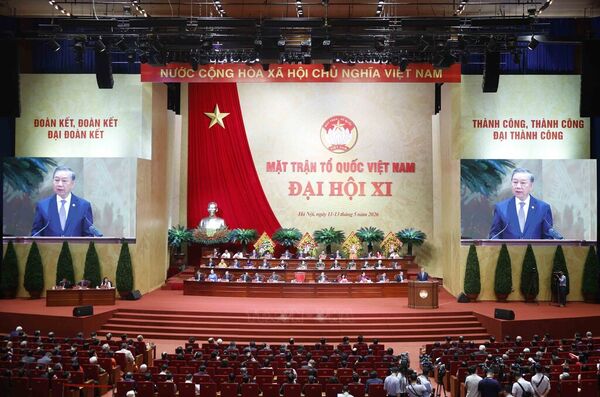
The 11th National Congress of the Vietnam Fatherland Front officially opened at the National Convention Center in Hanoi on May 12, 2026. The congress gathers more than 1,300 delegates under the theme: “Solidarity - Democracy - Innovation - Creativity - Development.” General Secretary and State President To Lam, along with current and former Party and State leaders, attended the event. Photo: VNA

“Golden harvest” in Quang Tri deepens military-civilian ties

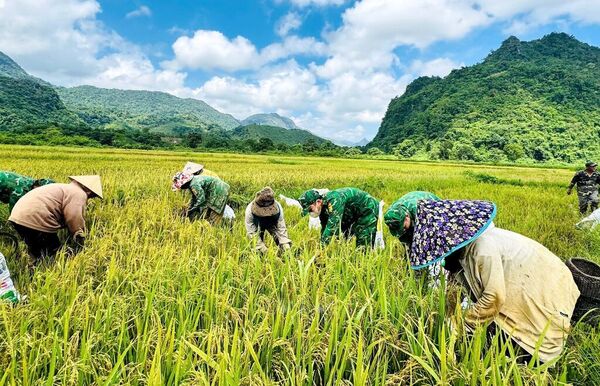
In early May, border-area rice fields in Quang Tri become bustling again during the Winter-Spring rice harvest season. Amid the golden color of a “season of abundance,” the green uniforms of Border Guard officers and soldiers appear across rice fields and villages, contributing to the urgent pace of work and strengthening military-civilian solidarity along the nation’s frontier. Alongside helping local residents harvest crops, border guard stations along the province’s border areas have also carried out various community-oriented activities. Though simple, these meaningful actions help spread the positive image of Border Guard soldiers among the people. Photo by courtesy/VNA

Hanoi improves grassroots healthcare quality associated with data digitalization

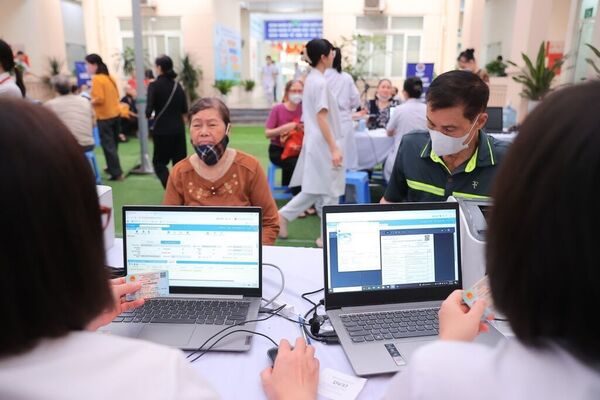
The health sector of Hanoi organized a free health check-up program for local residents. The program focuses on elderly people, providing services ranging from general examinations to specialized check-ups, with particular attention paid to patients with underlying diseases for early detection and timely treatment consultation. Notably, all examination results will be updated to the Electronic Health Record system and synchronized with the Electronic Health Book on the VNeID app, contributing to continuous and long-term health management while modernizing grassroots healthcare services. Photo: Minh Quyet – VNA

Tay Ninh villagers preserve traditional rural trades

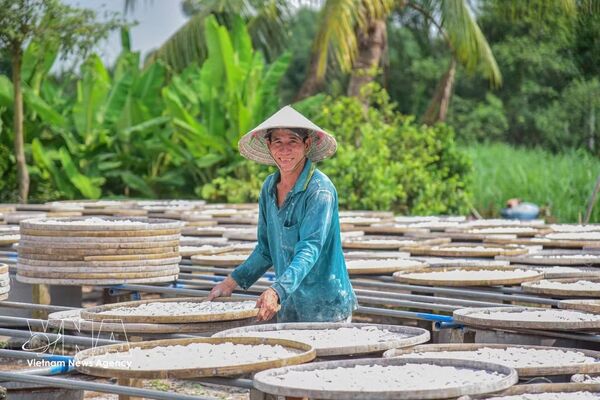
At the Nhut Tao estuary in former Tan Tru district, Long An province (now Tay Ninh province), many villagers still make a living from sedge farming and traditional rice flour production, preserving long-standing rural trades of the Mekong Delta.

“Green-uniform teachers” bringing digital literacy to Lai Chau’s border areas

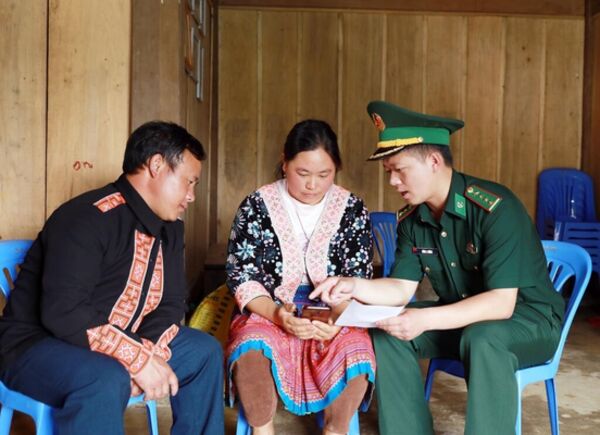
Border guards in Lai Chau are not only firmly safeguarding national border sovereignty and security, but are also tirelessly bringing “digital light” to ethnic minority communities in remote villages through the humane model titled “Green-uniform teachers accelerating digital transformation.” The initiative not only helps local residents apply technology in daily life, but also serves as a strategy to narrow the development gap between lowland and mountainous areas. As each border resident becomes a “digital citizen,” they not only improve their own livelihoods but also become “living landmarks” contributing to the protection of national border sovereignty. Photo: Quy Trung – VNA

Hanoi promotes culture as driver of development

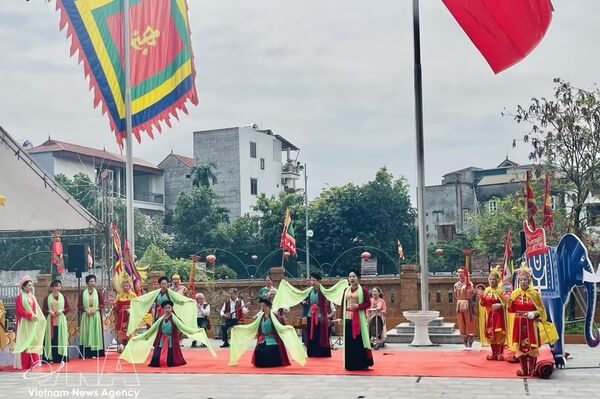
Following the Politburo’s issuance of Resolution No. 80-NQ/TW on developing Vietnamese culture, Hanoi is steadily translating the resolution into concrete action. The capital is working to make culture a genuine driver of sustainable development with practical and lasting impact.