 |
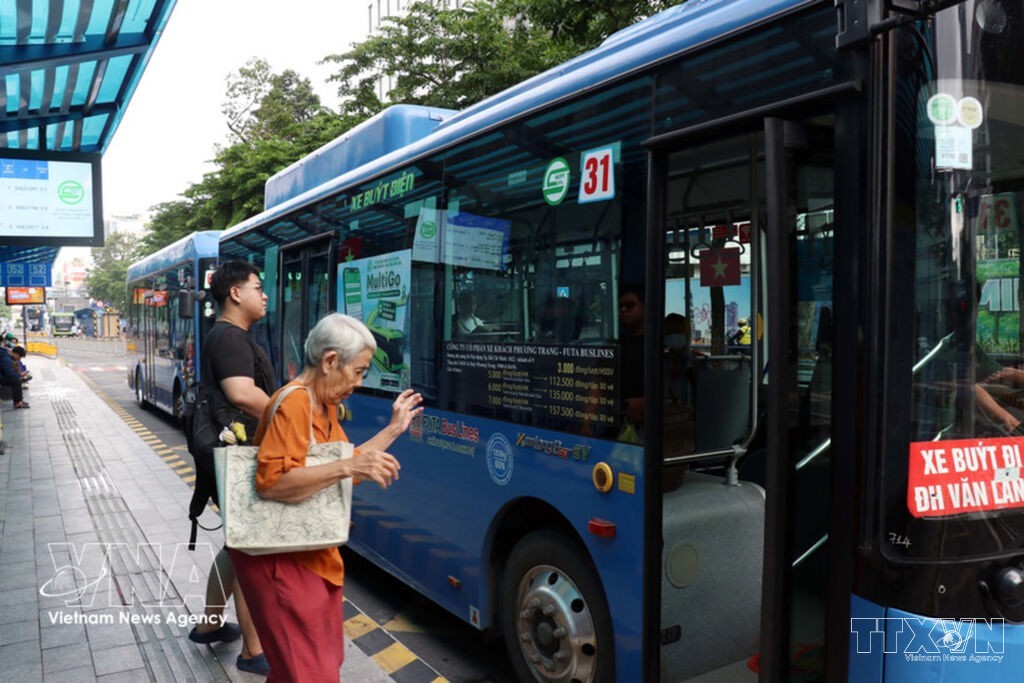
| Since July 1, free travel has been available on all 134 subsidised and non-subsidised bus routes across Ho Chi Minh City. (Photo: VNA) |
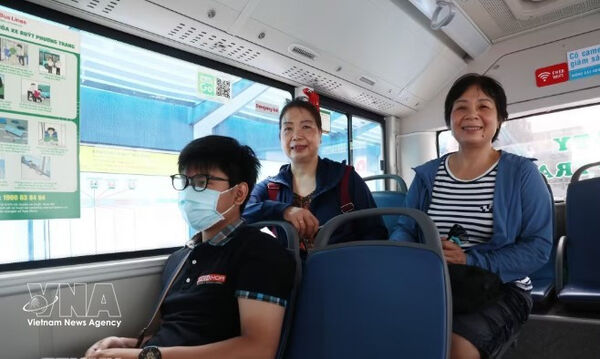
Ho Chi Minh City (VNA) – One month after Ho Chi Minh City introduced free bus travel, bus ridership has surged by 39%, while passenger numbers on Metro Line No. 1 (Ben Thanh–Suoi Tien) have also increased by around 15% year-on-year, highlighting growing public use of public transport.
The figures were announced at a conference reviewing the first month of implementation of the city People's Council's resolution on free bus fares, held by the municipal Department of Construction on July 30.
Since July 1, free travel has been available on all 134 subsidised and non-subsidised bus routes across the city.
According to Deputy Director of the Ho Chi Minh City Public Transport Management Centre Le Hoan, the bus network operated nearly 478,000 trips in July, serving more than 8.48 million passengers. Weekly growth accelerated throughout the month, rising from 33% in the first week to 45% in the fourth week.
The strongest increase was recorded on routes connecting Ho Chi Minh City with the former Binh Duong area, where passenger numbers jumped by between 72% and 135%.
The MultiGo transport application also saw strong growth, with the number of regular users rising 47% to more than 105,000, while total downloads exceeded 376,000. The share of passengers using the electronic ticketing system climbed from 9% before the policy took effect to 60% after four weeks.
Hoan said buses departed on schedule 97% of the time, surpassing the city's target of 95%, while passenger satisfaction remained above 80%.
Metro Line No. 1 also recorded positive results.
Le Minh Triet, Director of Urban Railway No. 1 Company Limited, said the line served more than 1.8 million passengers in July, up 15% from the same month last year despite the summer holiday period.
He attributed the increase partly to improved connections between buses and the metro through upgraded bus stops, shelters and pedestrian links.
Bui Hoa An, Deputy Director of the municipal Department of Construction, said the sharp rise in bus ridership suggested that more residents were switching from private vehicles to public transport. However, he stressed that, besides maintaining a high departure punctuality rate, operators should improve on-time arrivals, as reliability is essential to attracting commuters.
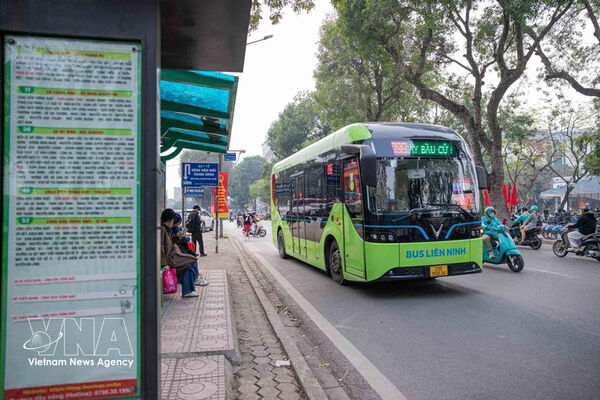
The city has also continued upgrading its public transport system. Since June, 175 conventional buses on 13 key routes have been replaced with electric buses, while hundreds of bus stops have been upgraded with reflective signs, LED information displays, and new shelters linked to Metro Line No1.
Looking ahead, the Public Transport Management Centre plans to use artificial intelligence (AI) to optimise bus schedules, study dedicated bus lanes, introduce public transport cards for priority groups, and launch a loyalty programme on the MultiGo platform to encourage regular use./.