 |
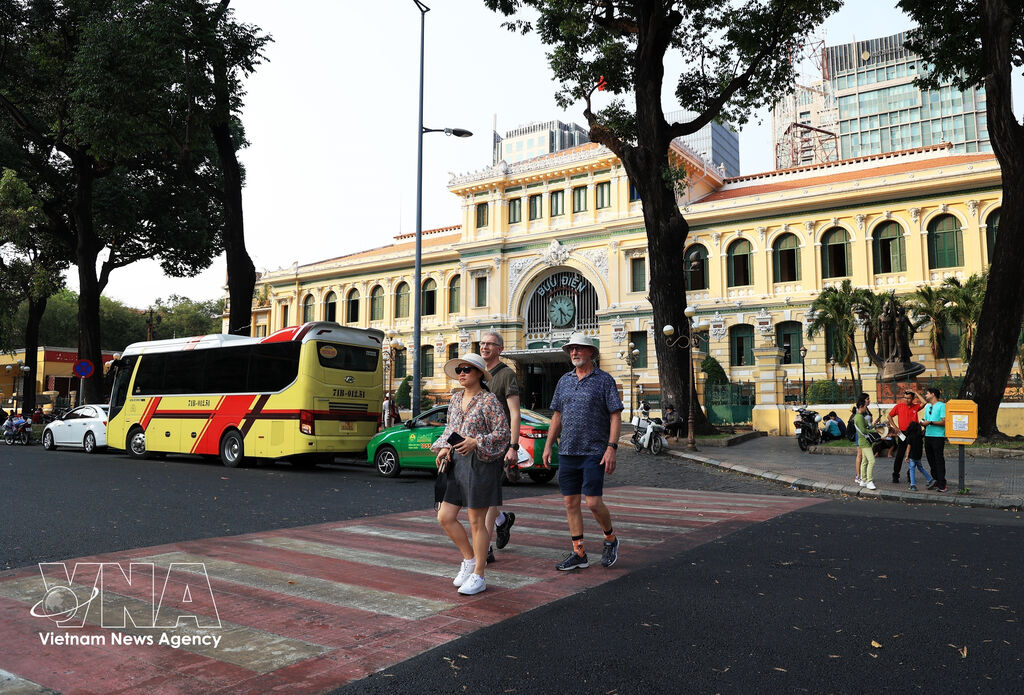
| Foreign tourists visit the Central Post Office in Ho Chi Minh City. (Photo: VNA) |
Ho Chi Minh (VNA) – Ho Chi Minh City continued to reinforce its position as one of Vietnam's leading tourism destinations in the first half of 2026, driven by a sustained recovery of international arrivals and higher visitor spending.
In June alone, travel service revenue stood at almost 4.15 trillion VND (nearly 158 million USD), rising 29.4% from the previous month and 29.1% year-on-year. Revenue from accommodation and food services reached 21.53 trillion VND last month, up 8.8% from May and 21.6% from a year earlier, reported the municipal Department of Tourism.
During the January–June period, travel service revenue surpassed 19.13 trillion VND, up 10% from the same period in 2025. Accommodation and food service revenue climbed 14.3% year-on-year to 119.3 trillion VND, while the passenger transport volume increased 8.3% to nearly 283.7 million trips.
The department attributed the impressive tourism growth to a sharp rebound in international tourism and increased spending by foreign visitors. International arrivals rose by nearly 50% in the first half of the year while tourism revenue from this market grew by more than 60%, reflecting the success of tourism promotion campaigns and efforts to diversify tourism products.
The city has maintained its role as one of Vietnam's top tourism hubs, particularly for international travellers.
Vo Anh Tai, Deputy General Director of Saigontourist Group, said international visitors' demand for cultural and artistic experiences is growing rapidly, with many travellers seeking a deeper understanding of local heritage and identity, which are suitable products for developing the night-time economy as they encourage visitors to stay longer and spend more on accommodation, dining, shopping and entertainment.
Tai added that the expansion of Ho Chi Minh City's administrative boundaries and cultural heritage space has created favourable conditions for developing integrated tourism experiences that combine urban attractions with cultural and natural assets.
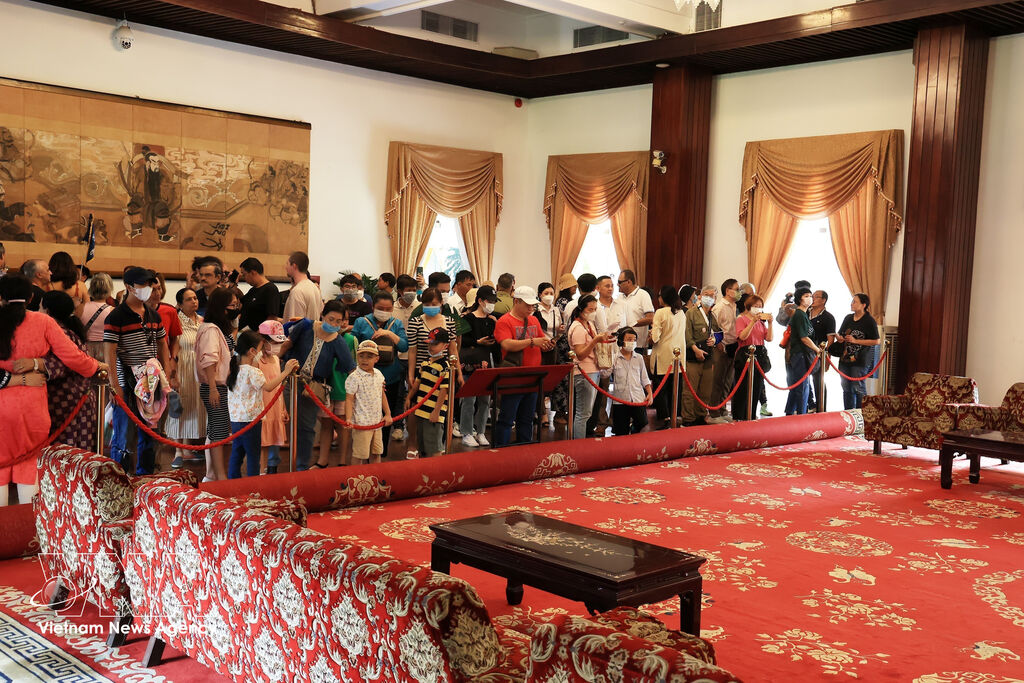 |
| International tourists visit the Independence Palace, a famous historical destination in Ho Chi Minh City. (Photo: VNA) |
Recently, digital travel platform Agoda reported that searches for accommodation in Vietnam by travellers from China surged 164% in the first five months of 2026 compared with the same period last year, making it the fastest-growing international source market. Indonesia, the Philippines, Thailand and Poland were also among the fastest-growing markets.
The figures highlight Vietnam's growing appeal to international visitors thanks to its mix of vibrant cities, rich cultural experiences and diverse natural landscapes, from mountains and forests to beaches and islands. Food tours, heritage experiences, shopping and coastal holidays continue to attract travellers, particularly from Southeast Asia.
Le Truong Hien Hoa, Deputy Director of the municipal Department of Tourism, said Ho Chi Minh City has entered a new stage of tourism development following the expansion of its administrative boundaries.
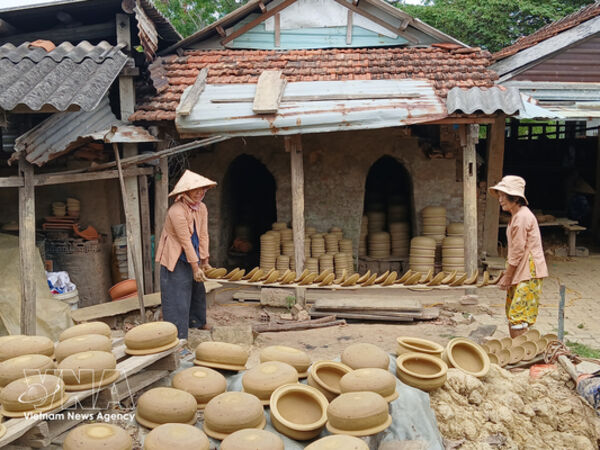
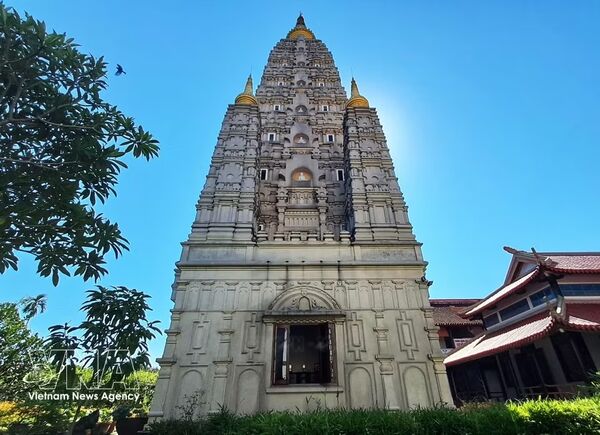
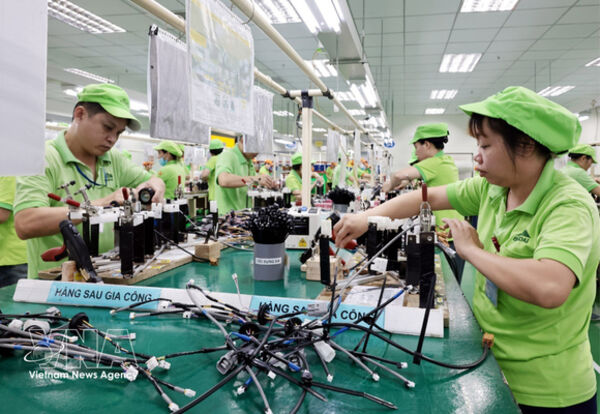
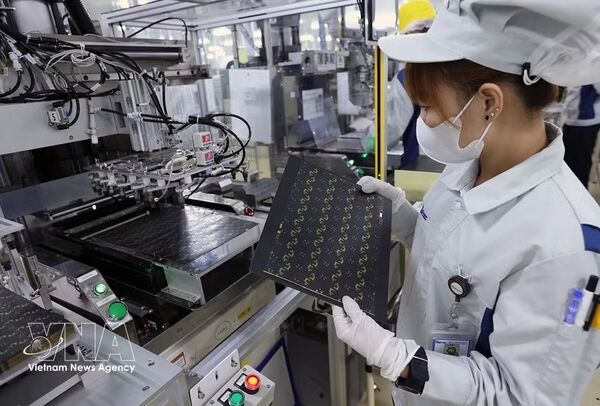
Beyond its traditional strengths in city tours, MICE tourism, shopping and cuisine, the city now offers a broader range of attractions, including coastal areas, eco-tourism sites, traditional craft villages, industrial tourism and cultural, historical and spiritual destinations. By integrating these tourism resources into a unified ecosystem, it aims to shift from promoting individual attractions to offering multi-value tourism experiences, laying the foundation for more sustainable growth in the years ahead./.