 |
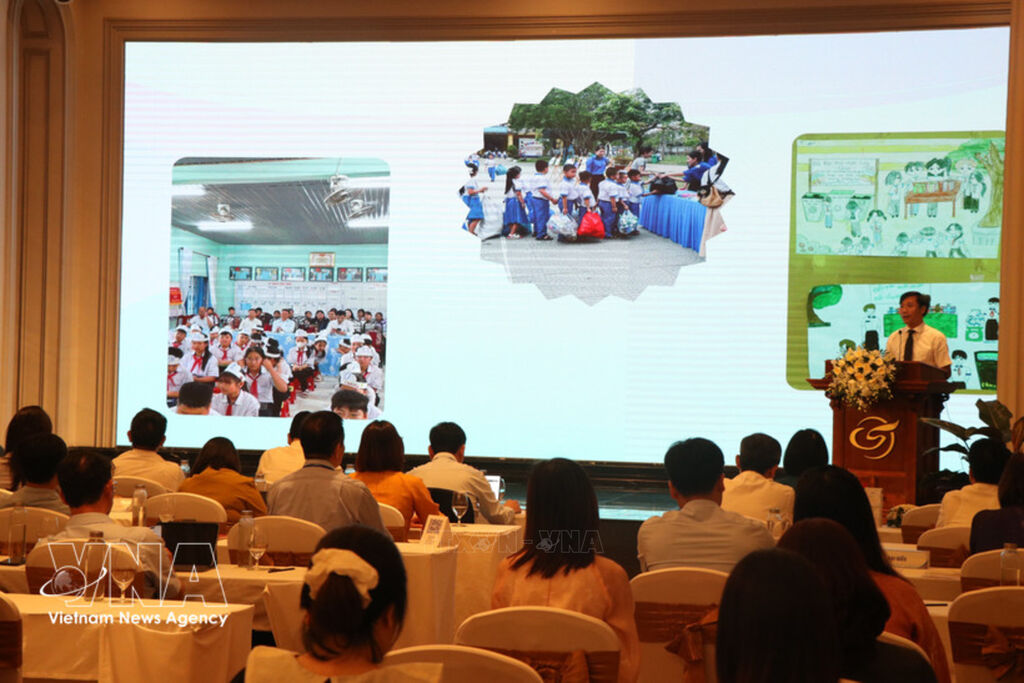
| An overview of the seminar reviewing the project’s implementation during the 2021–2026 period (Photo: VNA) |
Hue (VNA) – The “Hue – Plastic Smart City in Central Vietnam” project, after five years, has helped prevent 933.6 tonnes of plastic waste from leaking into the natural environment, with household solid waste sorting-at-source rolled out across all wards and communes of Hue city.
The results were highlighted at a seminar reviewing the project’s implementation during the 2021–2026 period, jointly organised on May 23 by the municipal People’s Committee and the World Wide Fund for Nature (WWF) Vietnam.
Launched in 2021 with funding from the Norwegian people through WWF-Norway and WWF-Vietnam, the project aims to help Hue protect rivers, wetlands and coastal ecosystems from plastic pollution while building the city into a model plastic-reduced urban area in central Vietnam.
The project followed a roadmap built around five key objectives: improving policies and strengthening stakeholder engagement; reducing plastic waste generation; minimising waste leakage during collection and transportation; increasing collection and recycling rates; and improving waste treatment and disposal.
Through waste sorting-at-source programmes and intervention activities, more than 750 tonnes of organic waste were collected and turned into compost, while over 4,401 tonnes of waste, including nearly 823 tonnes of plastic waste, were collected from river basins.
In education, the plastic-waste-free school model was implemented at 190 schools across Hue, helping spread green living messages to hundreds of thousands of students, teachers and parents.
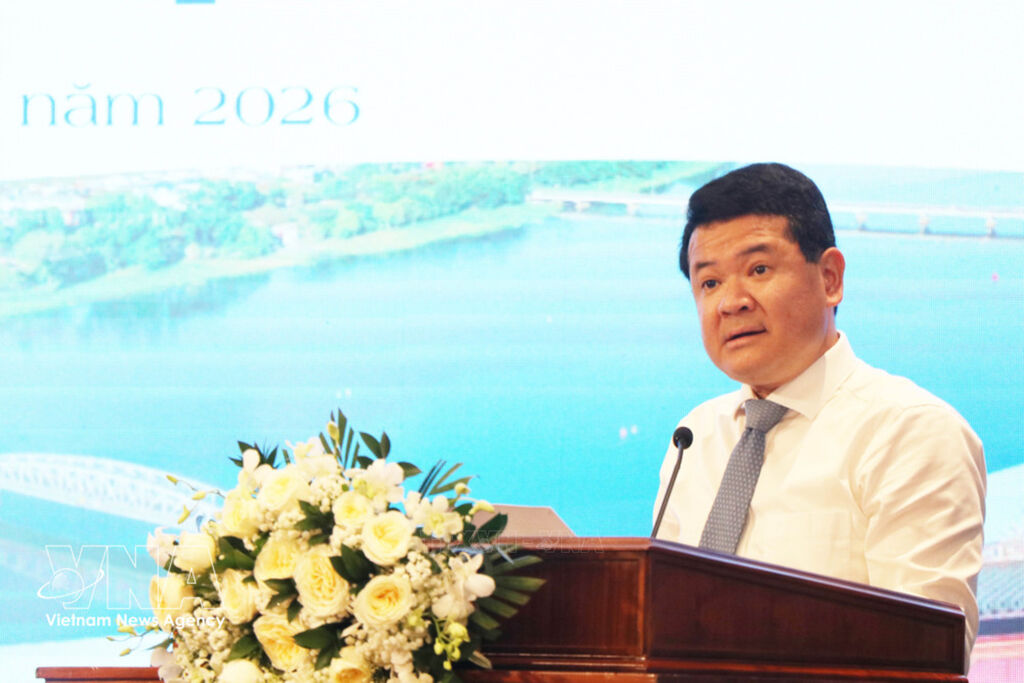 |
| Standing Vice Chairman of the municipal People’s Committee Hoang Hai Minh speaks at a seminar reviewing the implementation of Hue – Plastic Smart City in Central Vietnam” project (Photo: VNA) |
The project also strongly promoted plastic reduction in tourism, with hundreds of tourism and service businesses committing to cutting plastic use. Plastic-free tours and community-based tourism destinations were developed, while waiting stations combined with free drinking water refill points were installed to encourage residents and visitors to limit single-use plastics.
At the same time, the project mobilised the participation of more than 100 organisations and associations, along with 331 businesses, in implementing plastic reduction initiatives. Hundreds of communication campaigns, community events, training courses and environmental education programmes were organised, reaching nearly 1.6 million people.
Notably, the project coordinated with local authorities and relevant agencies to promote the issuance of nine policies and regulations on solid waste management and plastic waste reduction. These efforts helped Hue lead the country in the 2024 Provincial Environmental Protection Index (PEPI), receive the ASEAN Clean Tourist City Award 2024, and most recently be honoured with the “National Winner – One Planet City Challenge 2026” title awarded by WWF in recognition of its efforts in climate action and sustainable urban development.
Smart management and technological solutions were also introduced, including the use of artificial intelligence (AI) to monitor illegal waste dumping, the integration of classified waste collection point searches into the Hue-S application, and the development of a citywide solid waste management database.
Standing Vice Chairman of the municipal People’s Committee Hoang Hai Minh said the project holds practical significance for the city’s goal of building a green, sustainable and environmentally friendly urban area, in line with Vietnam’s strong commitment to reducing plastic waste.
Speaking virtually at the event, Norwegian Ambassador to Vietnam Hilde Solbakken welcomed the project’s positive outcomes, affirming Norway’s priority of reducing marine pollution, particularly preventing plastic waste from entering the ocean./.