Vietnam’s Logistics Services Development Strategy for the 2025–2035 period, with a vision to 2050, for the first time outlines a long-term and comprehensive roadmap clearly defining logistics as the “backbone” of the national economy.
Vietnam’s Logistics Services Development Strategy for the 2025–2035 period, with a vision to 2050, for the first time outlines a long-term and comprehensive roadmap clearly defining logistics as the “backbone” of the national economy.
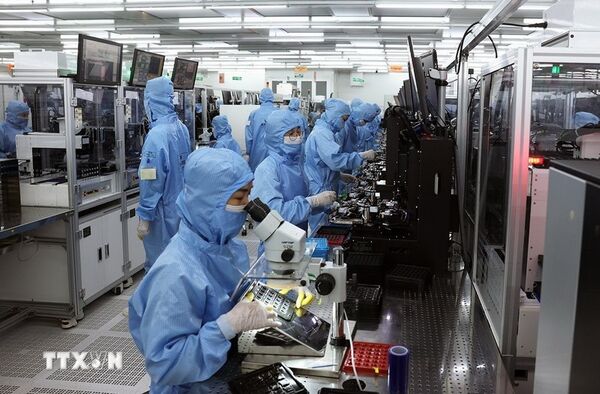
According to the National Statistics Office of Vietnam, foreign investment inflows in the first 11 months of 2025 remained positive, with nearly 33.7 billion USD in newly registered capital and 23.6 billion USD in disbursed capital – the highest in five years. These inflows are creating a solid foundation for growing demand for IFM services across factories, logistics centres and office buildings, particularly as foreign investors continue to expand production in Vietnam.
The total import-export turnover reached nearly 840 billion USD in the first 11 months of this year, up 17.2% year-on-year, with a trade surplus of over 20 billion USD. With this performance, the target of 900 billion USD in foreign trade is well within reach.
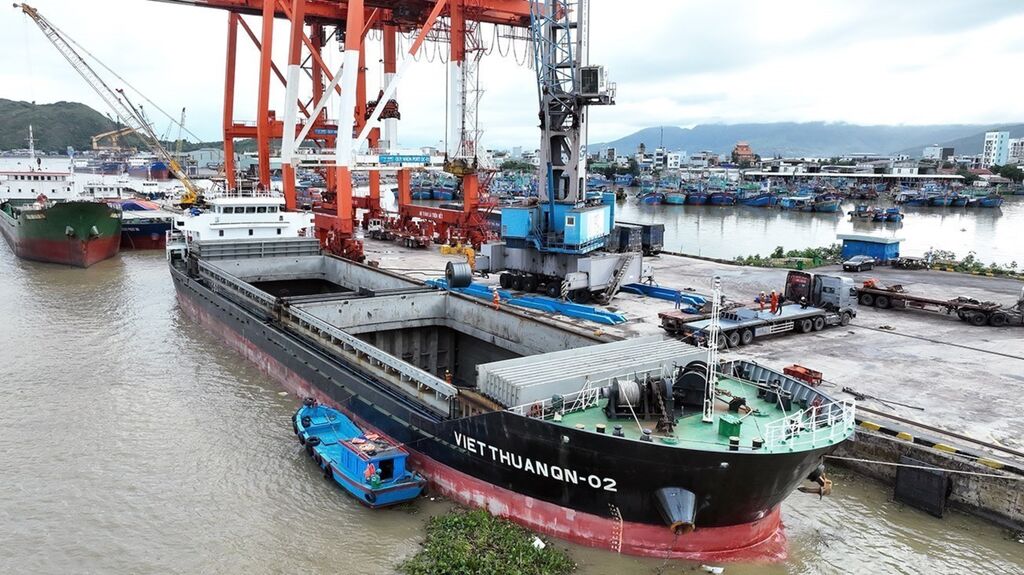
Handling the 2 millionth TEU in 2025 not only demonstrates Hai Phong Port’s operational capacity and the collective efforts of its workforce, but also highlights its increasingly important role in regional and global supply chains, the confidence of shipping lines, logistics firms and the business community, and the effectiveness of policies to improve the investment climate and strengthen maritime infrastructure and services.
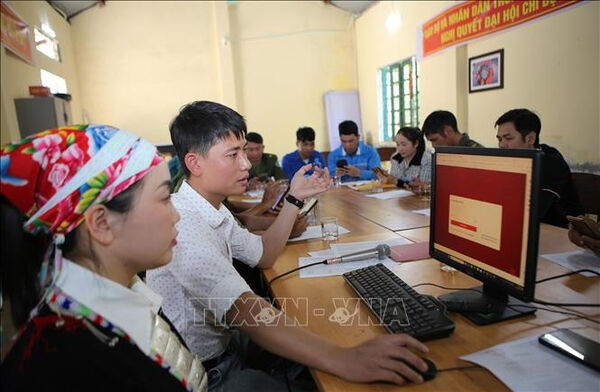
The rapid digital transformation has encouraged farmers in Lao Cai to adopt information technology, social media, and e-commerce in production and business activities, generating a stable source of income.
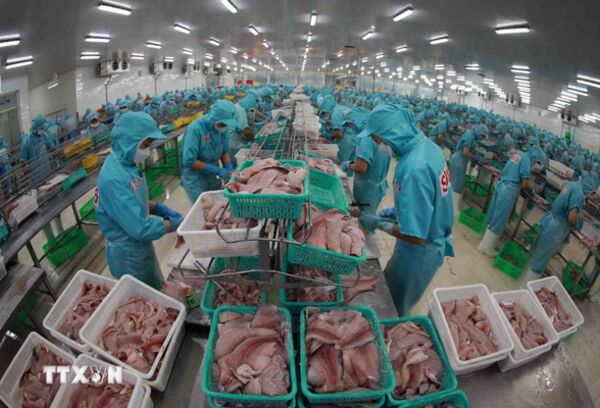
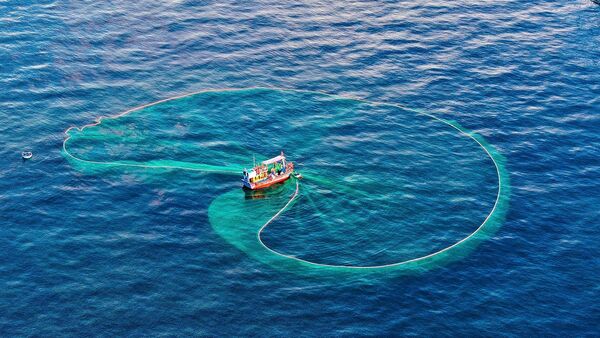
Dong Thap province’s fishing fleet operates mainly in the Ba Dong, Vung Tau and South Con Son fishing grounds, with about 60% of vessels having large capacity sufficient to venture into deep-sea areas. To date, 1,291 vehicles have been licensed, equipped with vessel monitoring systems (VMS), and had their data fully updated on the national fisheries database (Vnfishbase).
Vietnam fulfilled its socio-economic development tasks for 2025 and the 2021-2025 period amid rising complex global changes. The country's 2025 economic growth expanded by 8.02%, ranking among the top performers in the region and the world.Vietnam’s economic growth expanded by 8.02%, ranking among the top performers in the region and the world.
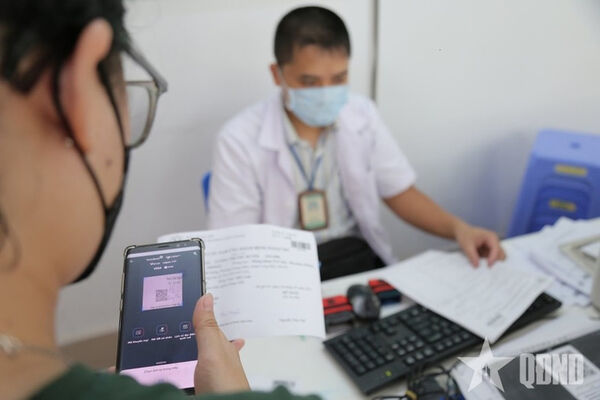
Hanoi's health sector will continue to expand the comprehensive use of digital technology in professional practices to improve management efficiency and service quality, aiming to develop a modern, transparent, and people-centred healthcare system.
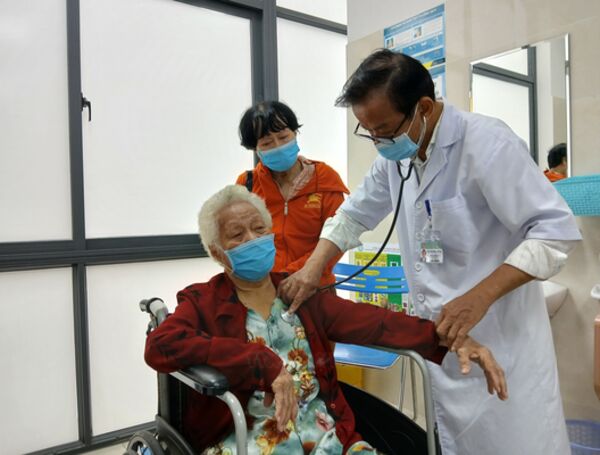
Health insurance participants from near-poor households and those aged 75 and above who are receiving social pension allowances will be entitled to 100% coverage of medical examination and treatment costs within the scope of health insurance benefits.
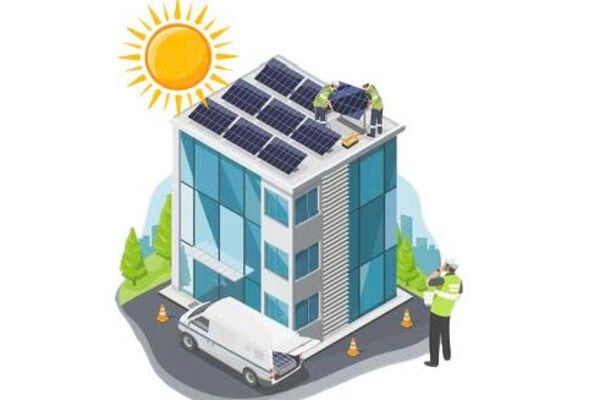
Hanoi aims that by 2030, electricity sales will reach 52,178 million kWh, with per capita electricity sales of 5,721 kWh per year. The city also targets 50% of government office buildings to use rooftop solar power for self-generation and on-site consumption.
Health insurance cardholders from near-poor households have their payment rate raised from 95% to 100% of covered medical expenses effective on January 1.
January 7, 1979, stands as a historic milestone, symbolizing the pure and steadfast international solidarity and special friendship between Vietnam and Cambodia. With the support of Vietnamese volunteer soldiers, Cambodia overcame the Khmer Rouge genocide, ushering in a new era of peace, reconciliation, and development.